

Whiplash Treatment After a Car Accident: What It Is, What to Expect, and What We Can Help With
If you were in a car accident and your neck started hurting a day or two later, that pain is real and it’s worth getting checked. Whiplash is a soft-tissue injury to the neck, and it often shows up hours or days after the crash, not at the scene. This article covers what whiplash is, why symptoms come late, what treatment looks like, and where honest care draws the line. Dr. JP Silvera and the team at Taylor-Made Health & Wellness in Clermont, FL treat auto-injury patients every week, in English and Spanish.
A note before we start: this is general information, not medical or legal advice. For your own injury, you need an in-person evaluation.
What whiplash actually is
Whiplash is a soft-tissue injury to the neck caused by the rapid back-and-forth motion of your head during an impact. The sudden movement strains the muscles, tendons, and ligaments in your neck past what they’re built to handle. That’s the whole mechanism.
Here’s what’s happening under the skin. Muscles are the tissue that moves your neck. Tendons connect those muscles to bone. Ligaments are the tough bands that hold your vertebrae together and keep the joint stable. In whiplash, one or more of these gets overstretched or torn in small ways.
A lot of people feel fine right after and wonder if they’re overreacting. You’re not. Whiplash frequently doesn’t show up on a standard X-ray, because X-rays image bone, not soft tissue. That’s exactly why so many people dismiss it and why it’s worth a proper look. The Mayo Clinic notes that whiplash symptoms may not appear until 24 hours or more after the injury.
Why whiplash symptoms often show up days later
Whiplash symptoms often appear 24 to 72 hours after a crash, sometimes longer. Right after an accident, your body floods with adrenaline, which masks pain. Inflammation from the strained tissue builds over the following days. So the moment you feel worst is usually not the moment of impact, it’s later, when the adrenaline fades and the swelling sets in.
This is the part we most want you to hear: you can feel fine at the scene and still have an injury worth evaluating. That’s not a scare tactic. It’s how the timeline actually works.
So the honest answer to “I feel okay, do I really need to get checked?” is this. Getting checked early gives you a clear baseline and catches problems while they’re easier to manage. If we find nothing serious, you’ll know that too, and that peace of mind has value.
There’s also a paperwork clock. Florida’s no-fault law currently requires you to seek treatment within 14 days of the accident to keep your PIP medical coverage, per the Florida Department of Highway Safety and Motor Vehicles. That’s a factual deadline, not pressure from us.
One caveat. Florida’s PIP rules have been under legislative debate, and if no-fault coverage changes, the 14-day framing shifts toward documenting your injury for a claim against the at-fault driver. Either way, the medical reason to get evaluated early doesn’t change.
Common symptoms we see and what they tell us
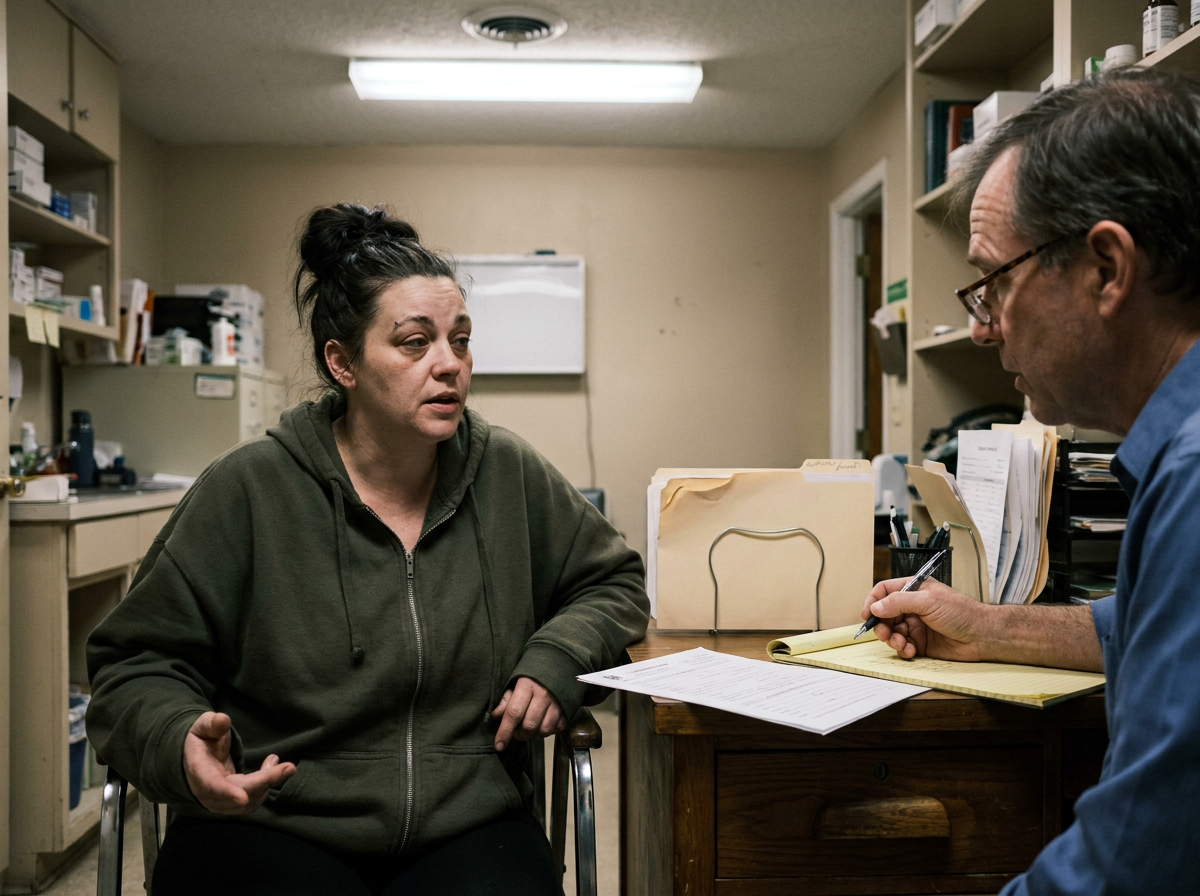
The most common whiplash symptoms are neck stiffness, shoulder pain, headaches that start at the base of the skull, jaw tightness, trouble concentrating, and disrupted sleep. Each one points somewhere.
- Neck stiffness and reduced range of motion usually mean the muscles and ligaments are inflamed and guarding the joint.
- Headaches at the base of the skull often trace back to strain where your neck meets your head.
- Shoulder and upper-back pain shows the strain spread beyond the neck into the surrounding muscles.
- Jaw tightness can come from the same whipping motion affecting the joint near your ear.
Now the honest part. Headaches paired with trouble concentrating, memory fog, dizziness, or nausea can point toward a concussion or mild traumatic brain injury. That’s outside what chiropractic care treats on its own, and it warrants a broader evaluation. We’ll say so plainly and help you get to the right person.
None of this means something has gone badly wrong. It means your body took a hit and is telling you about it. That’s worth listening to.
How we evaluate whiplash at Taylor-Made
At Taylor-Made, the first visit starts with listening. We ask what happened and how you’re feeling before we touch anything. Then we examine, then we explain what we found, in plain words, before we talk about any plan. That order matters to us.
The physical exam checks how far your neck moves in each direction, where it hurts and how much, your reflexes, and your muscle strength. We check whether the pain follows a nerve path and whether anything points to a problem deeper than muscle and ligament. We tell you what we’re checking as we go, so nothing is a mystery.
We document what we find carefully and accurately. That record is for your own health history and for your claim, and it needs to reflect exactly what’s there, no more and no less. The American Chiropractic Association emphasizes thorough evaluation and documentation as part of standard care.
And we name our limits. If we suspect a fracture, severe nerve involvement, or a concussion that needs assessment beyond our scope, we refer you out. That’s not us stepping back from your case. It’s us doing our job.
What whiplash treatment looks like over time
Whiplash treatment usually moves through phases. The early phase focuses on calming inflammation and gently restoring range of motion. Later phases shift toward rebuilding strength and stability so the injury heals in a way that holds. Care commonly includes spinal manipulation, targeted soft-tissue work, and specific exercises.
Recovery time varies. Some people feel much better in a few weeks. Others, depending on severity, age, and past neck injuries, take longer. Research summarized by Cleveland Clinic shows most whiplash cases improve within a few weeks to a few months, though a portion of people have symptoms that linger. We won’t promise you a fixed timeline, because we can’t honestly know yours yet.
A typical visit is straightforward. We check how you’re responding, do the hands-on work and exercises for that stage, and adjust based on what your body is telling us. Knowing that ahead of time takes some of the worry out of walking in.
About “how many visits.” We don’t hand you a set number on day one. We assess, we treat, and we change the plan as you improve. From our experience, that’s what tends to work best.
What we can help with and what falls outside our scope
Chiropractic care is well suited to the soft-tissue and joint side of whiplash: neck and back strain, restricted movement, muscle tension, and the headaches that come from neck injury. That’s the core of what we do, and it’s a large part of most whiplash recoveries.
Some things need a different or additional provider. We refer or co-manage when we see:
- Suspected fracture or spinal instability
- A severe disc herniation with real neurological deficit, like weakness or loss of sensation
- Signs of concussion or traumatic brain injury needing formal assessment
- The mental and emotional weight of the trauma, which deserves proper support
We frame this as part of good care, not a limitation to apologize for. Telling you the truth about what we find, including when the best next step is somewhere else, is the whole point. A place that claims it can fix everything should make you more nervous, not less.

How insurance and paperwork work
We handle the PIP billing and the paperwork. That’s the short version, and for most patients it’s the part causing the most stress, so let’s be clear about it.
PIP, or Personal Injury Protection, is the medical coverage on your Florida auto policy. It’s designed to help cover treatment after a crash regardless of who was at fault, up to your policy limit. We bill it directly, so you can focus on healing instead of chasing forms.
If the PIP window has passed or your coverage is limited, a Letter of Protection (LOP) may be an option. An LOP is an arrangement, usually with an attorney involved, that lets treatment continue with payment settled later. We’ll walk you through whether it applies to your situation.
To be plain about one thing: your treatment is based on what your body needs, never on a claim or a payout. Those are two separate conversations, and we keep them that way.
Serving Clermont, Minneola, and the surrounding area in English and Spanish
We serve Clermont, Minneola, Groveland, and the surrounding Lake County and west Orange area, in English and Spanish.
Bilingual care here means a real bilingual person from your first phone call, not translated paperwork handed to you at the end. If Spanish is the language you’re most comfortable in, that’s the language your care happens in.
For Spanish-first patients, WhatsApp is the easiest way to reach us. Message us, tell us what happened, and someone who speaks your language will answer.
Para pacientes que prefieren español: escríbanos por WhatsApp. Entendemos su preocupación y queremos ayudarle.

Key takeaways
- Whiplash is a soft-tissue neck injury from the rapid back-and-forth motion of a crash, and it often doesn’t show on a standard X-ray.
- Symptoms commonly appear 24 to 72 hours later, because adrenaline masks pain and inflammation builds over days.
- You can feel fine at the scene and still be injured, which is why early evaluation is worth it.
- Headaches with concentration or memory problems may signal a concussion, which needs assessment beyond chiropractic alone.
- Florida’s PIP currently requires treatment within 14 days to keep medical coverage, though the rules may change.
- Recovery timelines vary by severity, age, and history. No honest provider guarantees a fixed number of visits.
- Care is available in English and Spanish, with WhatsApp as the intake channel for Spanish-first patients.
Frequently asked questions
How long after a car accident can whiplash symptoms appear?
Whiplash symptoms often appear 24 to 72 hours after a crash, and sometimes later. Adrenaline masks pain at the scene, and inflammation from the strained tissue builds over the following days. That’s why you can feel fine at first and hurt later. It’s worth getting checked even if you felt okay initially.
Do I need treatment if I feel okay after the accident?
Getting evaluated early is worth it even if you feel okay, because whiplash symptoms often show up days later and adrenaline can hide pain at first. An early check gives you a clear baseline. If nothing serious is found, you’ll know that too. In Florida, PIP coverage also currently requires treatment within 14 days.
How long does it take to recover from whiplash?
Recovery time varies. Many people improve within a few weeks to a few months, per Cleveland Clinic, while some have symptoms that linger longer. Severity, age, and past neck injuries all affect the timeline. An honest provider won’t promise you a fixed recovery date before examining you.
Who pays for whiplash treatment after a car accident in Florida?
In Florida, Personal Injury Protection (PIP) coverage on your auto policy is designed to help cover treatment after a crash, regardless of fault, up to your policy limit. Clinics like ours bill PIP directly and handle the paperwork. If PIP has run out, a Letter of Protection may be an option.
Can whiplash cause a concussion?
The same impact that causes whiplash can also cause a concussion, and the two often occur together. Headaches paired with trouble concentrating, memory fog, dizziness, or nausea may point toward a concussion or mild traumatic brain injury. That needs evaluation beyond chiropractic care alone, and a good provider will refer you.
Before you go
If you’ve been in an accident, come in and tell us
Hurt in a car accident? Learn about our car accident chiropractic care in Clermont, including same-day exams and help with your PIP claim.
Learn more about our whiplash treatment in Clermont, including what the exam checks and how treatment works.