

What Chiropractic Care After a Car Accident Actually Looks Like
You walked away from the crash. Maybe your car’s dented, maybe it’s totaled, but you’re standing, talking, filling out a form. You feel okay. So do you really need to see anyone?
That’s the honest question most people ask after a wreck. This article answers it plainly: what a collision does to your body, what a chiropractor actually does about it, how long recovery tends to take, and how the Florida paperwork works. No pitch. Just what’s true, so you know where you stand.
Dr. JP Silvera treats auto-injury patients in Clermont, FL, and this is the same explanation we’d give you in the room.
Why you might feel fine right now — and what that does and doesn’t mean
Feeling okay right after a crash is common, and it doesn’t mean you’re in the clear. Adrenaline floods your system during a collision. It’s your body’s alarm response, and one of its jobs is to mute pain so you can act. That’s why soreness often shows up later, once the alarm switches off.
Here’s what I’m hearing when people come in a few days after a wreck: “I felt fine at the scene, and now my neck’s stiff and I can’t turn my head.” That’s not unusual.
This is delayed-onset whiplash. Soft tissue injuries, meaning strained muscles and ligaments, often surface 24 to 72 hours after impact. Sometimes longer. According to the Mayo Clinic, whiplash symptoms can take a full day or more to appear.
So feeling fine isn’t proof you’re hurt. It’s also not proof you’re not. That’s the whole reason to get checked calmly: not because something’s definitely wrong, but so you actually know.
What a car accident actually does to your neck and back
A car crash injures the neck and back because your head moves faster than your muscles can brace for it. In a rear-end collision, your torso gets pushed forward by the seat while your head lags behind, then snaps forward. That whip motion is where the word whiplash comes from.
Let’s name the parts. Muscles move your neck and hold it steady. Ligaments are the tough bands that connect bone to bone. The cervical spine is the stack of seven vertebrae in your neck. A hard jolt can strain the muscles and ligaments and irritate the joints between those vertebrae.
That shows up a few common ways:
- Neck pain and stiffness
- Upper and lower back pain
- Headaches that start after the crash, often at the base of the skull
- Reduced range of motion, so turning your head hurts
One more thing worth naming. A collision can also cause a concussion, a mild traumatic brain injury. Signs include confusion, memory trouble, or persistent headaches. That’s outside what chiropractic care treats. If we see it, we’ll tell you and point you toward the right provider. More on scope below.

What a chiropractor actually does — and what they do not do
A car accident chiropractor examines and treats musculoskeletal injuries, meaning problems with muscles, joints, and the spine. The first visit isn’t treatment. It’s understanding. We take your history, ask what happened in the crash, and examine how your neck and back are moving.
The treatment most people picture is a spinal adjustment. In plain words, it’s a controlled, targeted movement applied to a joint to restore motion and ease irritation. It isn’t a forced crack for show, and it isn’t magic. It’s one tool used alongside soft tissue work and exercises when the exam points that way.
Some people are skeptical of chiropractic. That’s fair. Here’s the honest picture: for neck pain and whiplash-type injuries, guidelines from the American College of Physicians support spinal manipulation and exercise among first-line options for back pain. It helps many people. It’s not a cure-all, and it doesn’t fix everything.
What we don’t do: promise an outcome. We work in terms of “what we’re looking for” and “what tends to help,” because your body isn’t a billing code.
What recovery actually looks like — timelines and what to expect
Recovery time depends on how much tissue was injured, and honest ranges vary widely. Mild whiplash often eases within a few weeks. More significant soft tissue injuries can take a few months. The NHS notes most whiplash improves within 2 to 3 months, though some cases run longer.
How many visits? That depends on what the exam finds. Anyone who quotes you a fixed number before examining you is guessing. That’s the honest truth.
A typical course of care looks like this:
- Initial evaluation and exam
- A treatment plan explained in plain words, so you understand the why
- Check-ins along the way to adjust as you improve
One thing to prepare for: healing isn’t a straight line. Some days feel better than the day before, then you overdo it and it flares. That’s normal. We fit the care to you and your own pace, not to a standard schedule.
How the paperwork and billing work — the short version
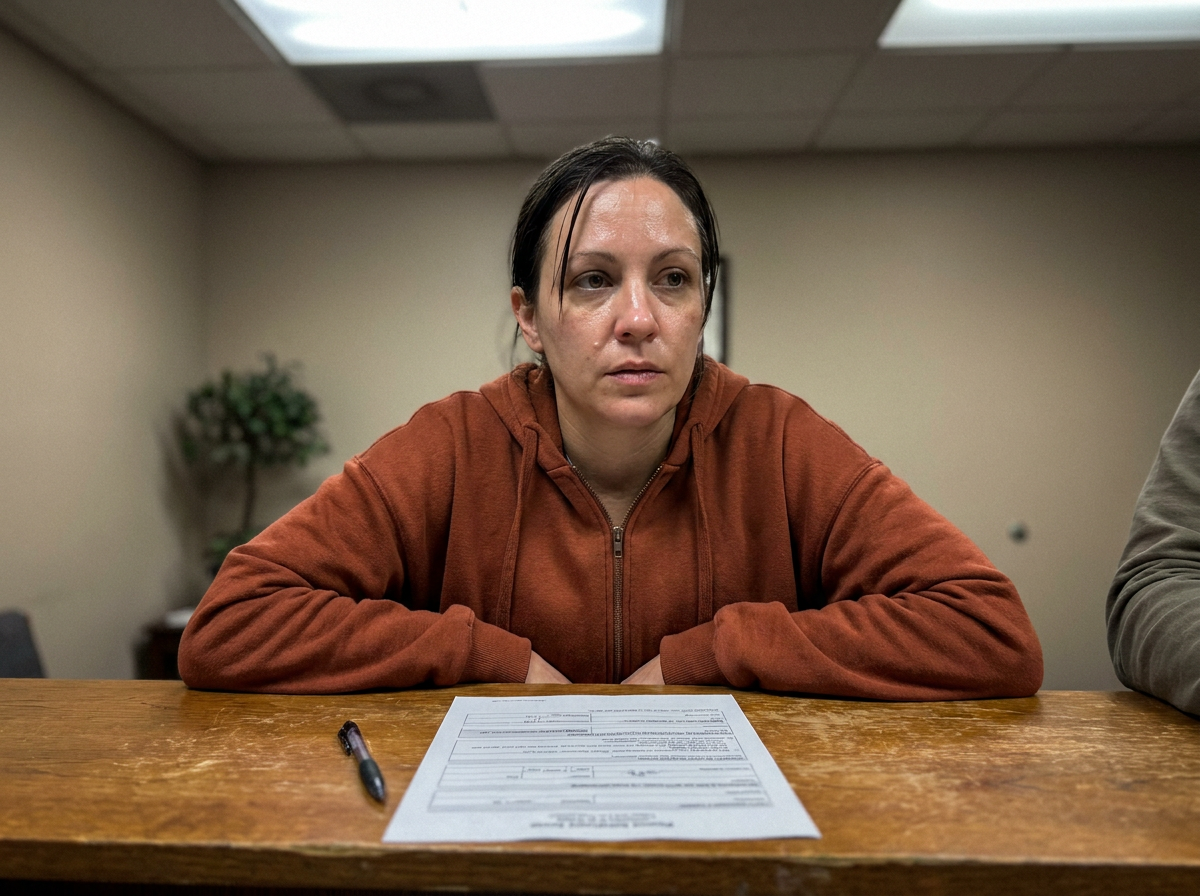
Most Florida drivers carry personal injury protection, or PIP, which covers medical treatment after a crash regardless of who caused it. Under Florida’s PIP statute, coverage is typically $10,000, and there’s a reporting rule you should know.
To use your PIP benefits, Florida law requires you to seek initial medical care within 14 days of the accident. That’s not a scare tactic. It’s just a deadline that’s easy to miss when you’re dealing with a totaled car and a rental. Worth knowing early.
We handle the PIP billing and the paperwork for you. You don’t manage claim forms or chase records. That’s on us.
To be clear about what this coverage is for: it exists to take care of your body after an accident. That’s it. We don’t tie treatment to any settlement or payout, and we never will. If you’re worried “will this cost me anything,” ask us directly and we’ll walk you through exactly how your coverage applies.
What we can help with — and what is outside our scope
Chiropractic care at this practice treats musculoskeletal injuries from a crash: whiplash, neck pain, upper and lower back pain, and headaches that stem from that kind of injury. That’s the lane we’re built for, and we’re good in it.
Here’s what’s outside our scope, stated plainly:
- Suspected fractures or broken bones
- Internal injuries or bleeding
- Moderate-to-severe concussion or other neurological concerns
- Anything needing imaging or care beyond what we provide
If we find something in that column, we tell you, and we point you to the provider who handles it. That’s not us dropping the ball. It’s part of doing this right. A place that claims it can treat everything after a crash is the place to be careful with.
We’d rather be honest about our limits than stretch to keep you in the chair. That’s the whole approach.
When to come in and what the first visit looks like
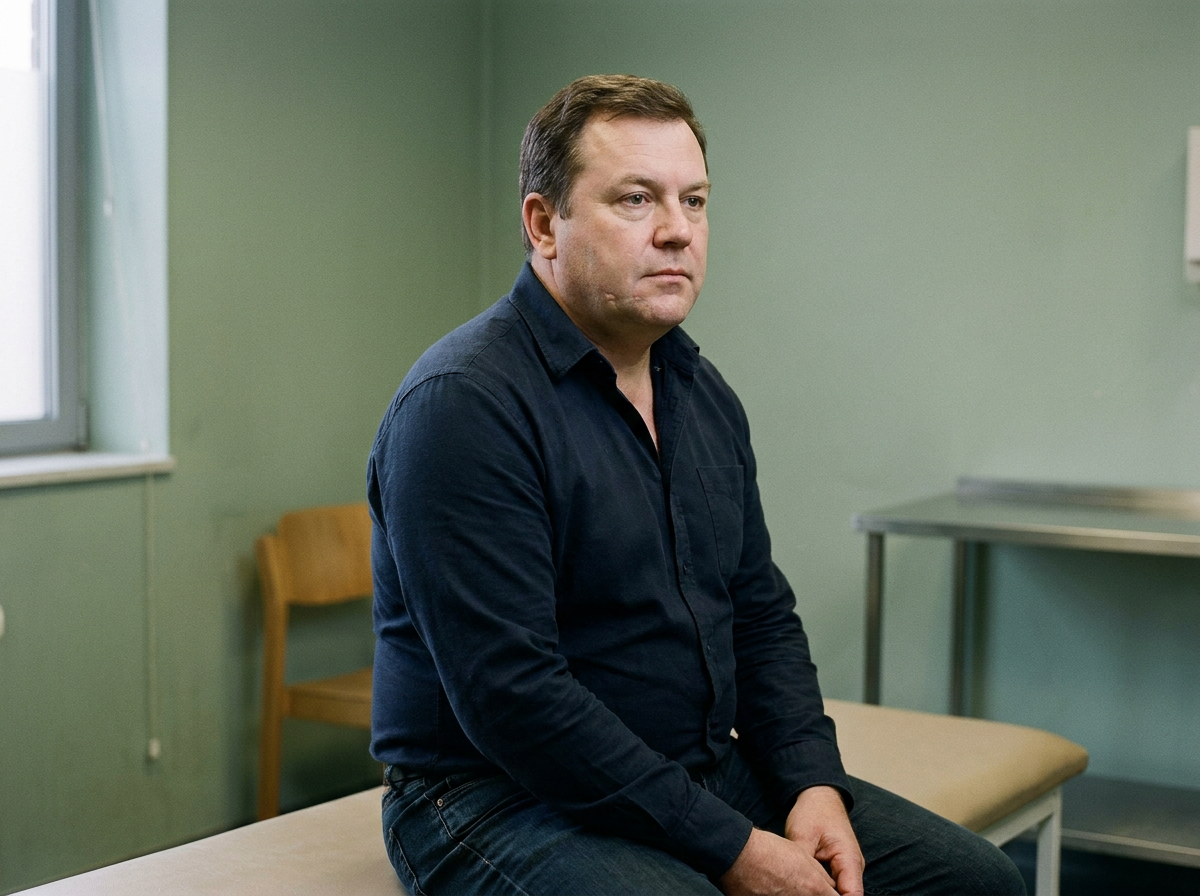
Come in when the soreness shows up, or within that 14-day window even if you feel okay, so you know where you stand. Here’s the first visit, step by step, so nothing catches you off guard:
- You check in and we handle the intake
- You tell us what happened and how you’re feeling
- We examine your neck, back, and range of motion
- We explain what we find in plain words, not jargon
- We talk through next steps together
This isn’t an in-and-out visit. You have time to ask questions, and we’ll ask you a few: “Are there any other concerns you have?” A mill skips that. We don’t.
We see patients in English and in Spanish, whichever you’re most comfortable in. Bring your ID, your insurance and accident info if you have it, and any attorney details if a firm referred you. We handle the insurance side from there.
And the honest close: we’ll tell you what we find. If we can help, we’ll show you how. If something’s outside what we do, we’ll tell you that too, and point you to the right person.
Key takeaways
- Feeling fine after a crash is common and doesn’t rule out injury. Adrenaline masks pain, and whiplash often shows up 24 to 72 hours later.
- A collision whips your head faster than your muscles can brace, straining neck and back muscles, ligaments, and spinal joints.
- A chiropractor examines first, then treats musculoskeletal injury. Spinal adjustment is one tool, not a guaranteed fix.
- Mild whiplash often eases in weeks; larger soft tissue injuries can take months. Visit counts depend on the exam.
- Florida PIP covers treatment regardless of fault, usually up to $10,000, but you must seek care within 14 days.
- Fractures, internal injuries, and serious concussions are outside chiropractic scope and get referred out.
Frequently asked questions
Should I see a chiropractor after a car accident even if I feel okay?
It’s worth getting checked even if you feel fine, because adrenaline masks pain and whiplash often surfaces 24 to 72 hours after impact. Getting examined tells you where you stand. It isn’t proof something’s wrong, just a calm way to rule injury in or out early.
How long does whiplash last after a car accident?
Mild whiplash often improves within a few weeks. Per the NHS, most cases resolve within 2 to 3 months, though more significant soft tissue injuries can take longer. Recovery isn’t linear, so expect good days and setbacks. The timeline depends on how much tissue was injured, which an exam clarifies.
What happens at the first chiropractic visit after an accident?
You check in, tell us what happened and how you feel, and we examine your neck, back, and range of motion. Then we explain what we find in plain words and talk through next steps. It’s unhurried, and you have time to ask questions. No treatment happens before we understand the injury.
Who pays for chiropractic care after a car accident in Florida?
Most Florida drivers have PIP coverage, which pays for medical treatment after a crash regardless of fault, typically up to $10,000. You must seek care within 14 days of the accident to use it. We handle the PIP billing and paperwork, so you don’t manage claim forms yourself.
Can a chiropractor treat a concussion from a car accident?
Chiropractic care treats musculoskeletal injuries like whiplash and neck pain, not concussions. A moderate-to-severe concussion is a brain injury outside chiropractic scope. If we notice signs of one during your exam, we tell you and refer you to the right provider. Naming that limit openly is part of honest care.
One next step, no pressure
If you were recently in a crash, come in and tell us what happened. We’ll examine you, explain what we find in plain words, and walk you through it at your own pace. We handle the insurance paperwork. In English or in Spanish, whichever works for you.
Spanish-first? Message us on WhatsApp and a real bilingual person will answer. Estamos aquí para ayudarle.
This article is general health information, not medical or legal advice. Every injury is different. For guidance on your specific situation, see a qualified provider.
Hurt in a car accident? Learn about our car accident chiropractic care in Clermont, including same-day exams and help with your PIP claim.