
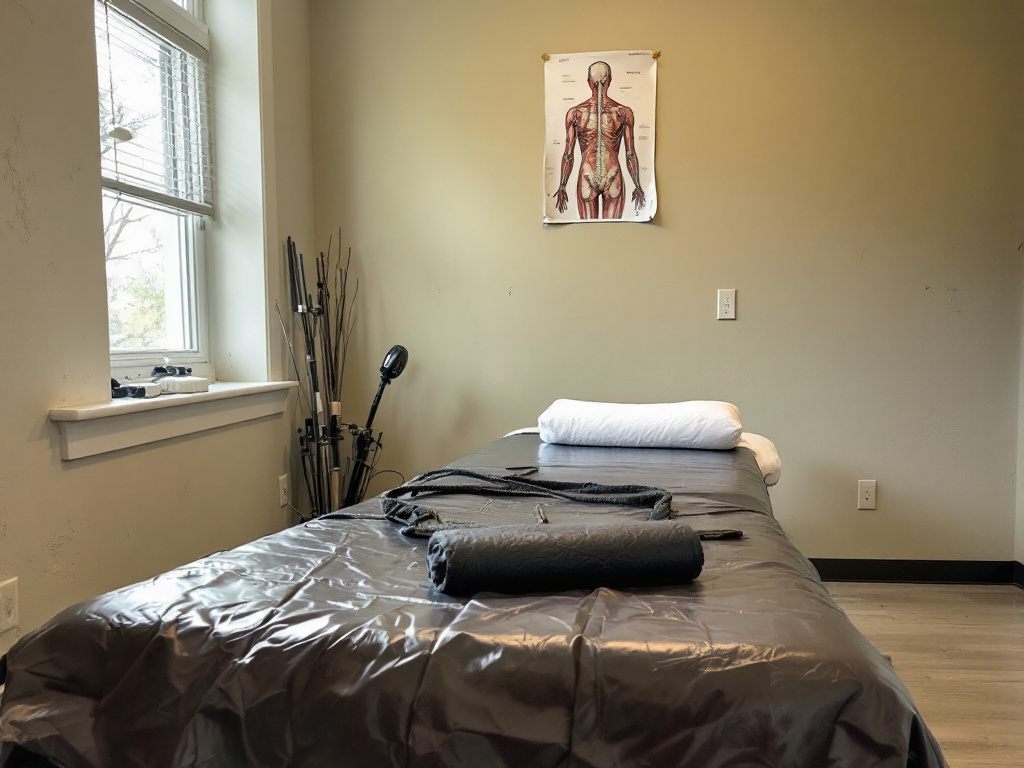
Neck and Back Pain After a Car Accident: What Whiplash Actually Does to Your Body
You can walk away from a car accident feeling fine and still be injured. That’s not a scare line. It’s how whiplash and other soft tissue injuries often behave, showing up a day or two after the crash instead of the moment it happens. If you were recently in an accident around Clermont and you’re trying to figure out whether your neck or back pain is worth taking seriously, here’s the honest version, in plain words.
We’ll walk through what whiplash actually is, how to tell muscle strain from something deeper, what chiropractic care can and can’t do, and when it makes sense to get checked. No pressure to book anything. Just the reasoning, laid out so you can follow it.
Why you might feel fine right after the crash
Feeling okay right after a crash is common, and it doesn’t mean nothing happened. When your body senses a sudden threat, it releases adrenaline and cortisol. Those stress hormones dull pain and keep you moving, which is useful in the moment and misleading in the hours after. The injury can be there while you barely feel it.
Whiplash symptoms often surface 24 to 72 hours after impact, sometimes later. According to the Mayo Clinic, signs may not appear until days after the injury. So the thought most people have, “I walked away fine, so I figured I didn’t need to do anything,” is completely reasonable. It’s also why so many folks get caught off guard.
Here’s the piece that trips people up. Soft tissue, meaning your ligaments, tendons, and muscles, doesn’t always signal damage right away. Swelling and stiffness build over time. What feels like nothing on day one can feel like a locked, aching neck by day three.

What whiplash actually is — and what it does to your neck and spine
Whiplash is a rapid back-and-forth movement of the neck that strains or tears the soft tissue holding your head and spine together. The head snaps forward and back faster than the muscles can brace for it. That sudden motion is where the damage comes from.
Several structures can take the hit. Your cervical spine (the seven vertebrae in your neck), the discs between them (the cushions that absorb shock), the ligaments (the bands connecting bone to bone), the muscles, and sometimes the nerve roots (the nerves branching out from the spinal cord). As the injury develops, it can feel like stiffness, neck pain, headaches at the base of the skull, tight shoulders, and sometimes tingling running into the arms.
Whiplash is different from a fracture (a broken bone) or a disc herniation (when a disc pushes out and presses on a nerve). Those are more serious and usually need imaging like an X-ray or MRI. According to Johns Hopkins Medicine, most whiplash involves soft tissue rather than fracture, but severity varies a lot. A 5 mph fender-bender can produce real injury. A 40 mph crash doesn’t guarantee a serious one. The mechanism, meaning how your body moved during impact, shapes the symptoms more than the speed alone.
Back pain from a car accident: when it’s muscular and when it’s the spine
Back pain after a crash can come from strained muscle or from something involving the spine itself, and telling them apart matters. Muscle strain tends to feel like a deep ache or soreness that eases with rest and gentle movement. Spinal involvement is different. It can mean the discs, joints, or nerves are affected, and that changes what recovery looks like.
The lumbar spine, meaning your lower back, is vulnerable in rear-end and side-impact crashes because your torso gets thrown while your hips stay pinned by the seatbelt. That twisting, jolting force stresses the discs and joints down there.
Watch for symptoms that suggest disc involvement: pain radiating down into the legs, numbness, or weakness. Those point to a nerve being irritated or compressed, and they deserve attention.
Both kinds of injury are real. Both deserve evaluation, even when one is more serious than the other. And this is where we’ll be straight with you: some things are outside what a chiropractor should handle. A suspected fracture, loss of bladder or bowel control, progressive weakness, or major neurological red flags need medical imaging and often a physician or specialist. If we see those signs, we say so and point you to the right person. That referral is part of doing this honestly.

How chiropractic care approaches whiplash and spinal injury from an accident
Chiropractic care for accident injury starts with figuring out what’s actually hurt before anyone touches you. That means a full history of the crash and your symptoms, a physical exam, checking your range of motion (how far you can move without pain), and palpation (feeling the tissue and joints by hand to find what’s tender or restricted).
What’s the chiropractor looking for in all that? Where the movement is limited, which tissue is guarding, whether the pain pattern matches a muscle problem or points toward a nerve. The exam is how we reason our way to what’s going on, not a formality.
Spinal manipulation, the adjustment, is one tool. For acute post-accident injury it isn’t always the first move, and sometimes it isn’t appropriate at all until inflammation settles. From our experience, this is what tends to work best: match the approach to the stage of the injury. Alongside adjustment, care can include soft tissue work (hands-on therapy for muscles and ligaments), therapeutic modalities like heat or electrical stimulation, and exercise rehab to rebuild strength and motion.
Here’s the honest boundary. Chiropractic addresses musculoskeletal injury, the muscles, joints, and connective tissue. It does not treat fractures, serious neurological damage, or internal injury. When the symptom picture points there, imaging and a medical referral come first.
What to expect when you come in — from the first visit forward
The first visit is mostly listening and looking, not treating. You’ll go through intake, tell us the story of the accident and how you feel, and we’ll do the exam described above. Then we explain what we found in plain words before anything else happens. If a care plan makes sense, we talk it through with you.
Nothing here is rushed. You’ll hear what we’re seeing and why before we suggest a next step. If you have more concerns, we’d rather you ask.
On the “how many visits” question, we’ll be straight: there’s no standard script. Care plans vary by how bad the injury is and how your body responds. Some people need a handful of visits. Others need more time. We plan around your recovery, not a template.
For payment, Florida’s personal injury protection, or PIP, covers accident-related medical care. According to the Florida Department of Highway Safety and Motor Vehicles, PIP provides up to $10,000 in medical and disability benefits regardless of who caused the crash. We bill your PIP insurance directly, and we’ll explain any balance before your care starts.
We see patients in English and Spanish, whichever you’re most comfortable with.

The documentation piece: why a clear medical record matters for your case
A clear medical record serves your health first. It documents what was injured, how, and what treatment you received, which keeps your care coherent if you see more than one provider or need a specialist later. That’s the primary reason it matters.
It also matters for any insurance claim or legal process. An accurate record shows what happened to your body. Part of sound documentation is causation language, meaning the record connects the mechanism of the crash to the clinical findings, so the injury and its cause are clearly linked.
Our approach is simple: we document what’s there. No more, no less. The value of the record comes from its accuracy, not from making anything look bigger than it is.
If you have an attorney, this is the part they care about, and rightly so. A record that honestly reflects your injury protects your claim against the at-fault driver because it tells the truth about what you went through. That’s the whole approach.
When to seek care — and what happens if you wait
Under current Florida law, you generally must begin treatment within 14 days of the accident for PIP coverage to apply. That’s the rule as it stands, though Florida’s no-fault system has been the subject of proposed changes, so confirm the current requirement for your situation before you assume anything.
There’s a clinical reason to get checked early that has nothing to do with insurance. Acute soft tissue injury tends to respond better to timely care. When it’s left alone, inflammation and muscle guarding (your body tensing to protect a hurt area) can settle in and make recovery slower and more complicated.
We’re not saying this to scare you. It’s a fact, stated plainly. The “I’ll just see how it feels” instinct is reasonable. It’s also exactly the kind of thing worth talking over with a clinician who can tell you where you actually stand, so you’re deciding with real information instead of a guess.
And if the PIP rule changes down the road, the reasoning still holds. Documenting your injury early protects your claim against the at-fault driver and gives your recovery its best shot. The paperwork frame can shift. The reason to get checked doesn’t.

Key takeaways
- Feeling fine right after a crash is normal. Adrenaline masks pain, and whiplash symptoms often show up 24 to 72 hours later.
- Whiplash strains or tears the soft tissue of the neck, involving the cervical spine, discs, ligaments, muscles, and sometimes nerves.
- Back pain can be muscular or involve the spine. Radiating pain, numbness, or weakness in the legs point toward nerve involvement and need evaluation.
- Chiropractic care treats musculoskeletal injury. It does not treat fractures, serious neurological problems, or internal injury, and an honest provider refers those out.
- Florida PIP covers accident-related care up to $10,000, and treatment generally must begin within 14 days. Confirm the current rule, since Florida’s no-fault system may change.
- Early care gives soft tissue injury a better chance to heal and creates an accurate record of what happened.
Frequently asked questions
How long after a car accident can whiplash show up?
Whiplash symptoms often appear 24 to 72 hours after the crash, and sometimes later. Adrenaline and cortisol can mask pain right after impact, so it’s common to feel fine at first and stiffen up over the next few days. Feeling okay early doesn’t rule out injury.
Do I need to see a chiropractor if I feel okay after a minor crash?
Not necessarily, but a quick evaluation is worth it so you know where you stand. Low-speed crashes can still cause real soft tissue injury, and symptoms can be delayed. A clinician can check you and tell you honestly whether there’s anything to treat or whether you’re clear.
Will chiropractic care after an accident cost me anything?
We bill your PIP insurance directly, and we’ll explain any balance before your care starts. PIP provides up to $10,000 in medical benefits regardless of fault, and the clinic handles the insurance paperwork. Coverage details depend on your policy and current Florida law, so confirm your specifics.
How many visits will I need to recover from whiplash?
There’s no standard number. Recovery depends on how severe the injury is and how your body responds to care. Some people need a few visits, others need longer. A good care plan is built around your recovery, not a fixed script, and it’s explained to you as you go.
What’s the deadline to get treated for PIP in Florida?
Under current Florida law, treatment generally must begin within 14 days of the accident for PIP coverage to apply. Florida’s no-fault system has faced proposed changes, so verify the current requirement before relying on it. Beyond insurance, early care also helps soft tissue injury heal better.
If you’ve been in an accident and you’re not sure where you stand, come in and tell us what’s going on. We’ll walk you through what we find, explain it in plain words, and be honest about whether we can help and what falls outside what we do. In English or Span
Hurt in a car accident? Learn about our car accident chiropractic care in Clermont, including same-day exams and help with your PIP claim.
Learn more about our whiplash treatment in Clermont, including what the exam checks and how treatment works.