
Hurt in a Car Accident? Here Is What Chiropractic Care Actually Looks Like
If you were recently in a car accident, chiropractic care usually starts with a conversation about how you’re feeling, followed by an exam, and then an honest plan for what to do next. In Florida, most accident injury care is covered by your Personal Injury Protection (PIP) insurance, which pays up to $10,000 in medical expenses if you report your injury within the state’s timeline. Here’s what the whole process looks like, in plain words.
We wrote this for people in and around Clermont who are anxious, in pain, and unsure what to do first. No hype. No pressure. Just what to expect.
Why people wait — and why that window matters
Feeling okay right after a crash is normal, and it does not mean nothing is wrong. Your body floods with adrenaline during and after impact, which masks pain. That’s why so many people walk away from a wreck thinking they’re fine, then start hurting two or three days later.
This is how whiplash often works. Soft tissue inflammation builds gradually over 24 to 72 hours after the injury, so neck and back pain frequently show up days after the accident, not the moment it happens. The Mayo Clinic notes that whiplash symptoms can be delayed and may include neck stiffness, headaches, and reduced range of motion.
There’s also a practical timeline in Florida. Under the state’s no-fault PIP law, you generally need to seek medical care within 14 days of the accident for your PIP coverage to apply. That’s useful to know, not a threat.
A quick note for readers seeing this after any change to Florida’s no-fault rules: if PIP has shifted, the reason to be seen early is the same. Documenting your injury early protects any claim against the at-fault driver. Getting checked is about your body, full stop.
What a first visit actually involves
A first visit is mostly listening, then looking, then explaining. The unknown is what makes people anxious, so here’s the whole thing step by step.
It starts with a conversation. The clinician asks what happened and how you’re feeling. Not a form you rush through in a waiting room. A real conversation about your accident and your pain.
Then a physical exam. This usually includes:
- Range of motion — how far you can turn and bend, and where it hurts.
- Tenderness checks — finding which muscles and joints are irritated.
- Neurological checks where indicated — testing reflexes and sensation to see if a nerve is involved.
Imaging comes next, but only if the exam points to something worth ruling out. X-rays or an MRI are ordered when the findings suggest it, not as a default for every patient.
After that, the care plan conversation: what we found, what it means, what treatment looks like, and honestly what’s outside our scope. And the paperwork? We handle the PIP billing. You don’t get a bill for covered care. That’s it.
Common injuries treated after an auto accident
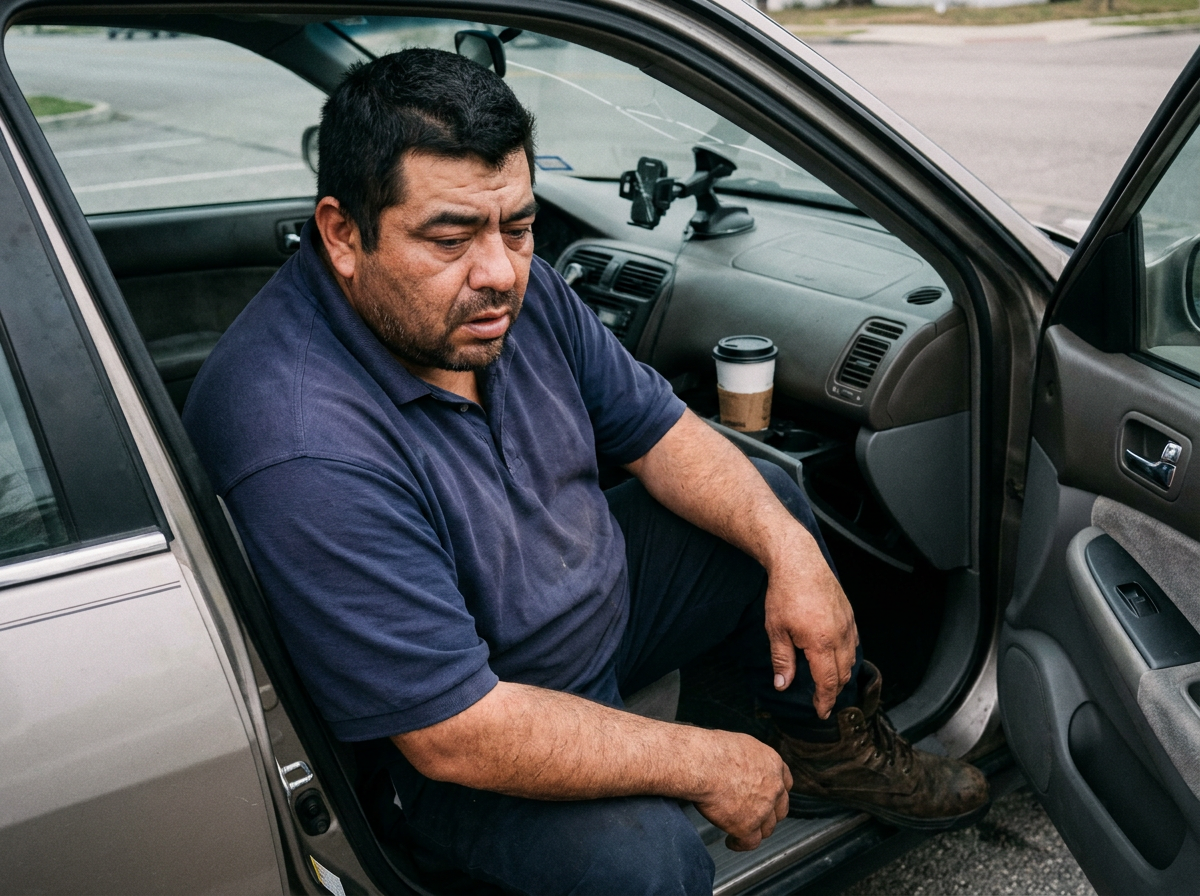
The most common injuries after a car accident are whiplash, lower back strain, headaches, and in some cases mild concussion or nerve-related pain. Here’s a plain-language rundown of what we see and how we think about each one.
Whiplash and cervical strain. The most common accident injury by far. The rapid forward-and-back motion of your head overstretches the soft tissue in your neck. According to the American Chiropractic Association, whiplash is one of the most frequently reported injuries in rear-end collisions.
Lower back and lumbar strain. The second most common complaint, often from bracing against the wheel or the force of the seatbelt.
Headaches. These frequently come from neck muscle tension or irritated joints in the neck, not the head itself. Patients often don’t connect a headache to their crash, so it’s worth naming.
Mild concussion. Dizziness, brain fog, light sensitivity. This is important: concussion evaluation and management may involve referral to a neurologist or specialist. That’s outside what a chiropractor treats alone, and we’ll tell you so.
Radiating arm or leg pain. This can signal nerve involvement from a disc injury. When that shows up, imaging or a specialist referral is often the right path.
From our experience, this is the kind of thing that tends to respond well to care. We won’t promise a cure. We’ll tell you what we see.
How chiropractic treatment works for accident injuries
Chiropractic treatment for accident injuries usually combines hands-on adjustments, soft tissue work, and rehabilitation exercises, chosen based on what your exam shows. No two injuries are the same, so no two plans are either. Here’s what the pieces do.
Spinal manipulation. A controlled, specific movement applied to a joint that has lost its normal range of motion. The goal is to restore that movement.
Soft tissue work.This isn’t maintenance care. It’s part of helping injured tissue calm down and heal.
Therapeutic modalities. Where we use them:
- Electrical stimulation to ease muscle spasm and pain.
- Ultrasound therapy to warm deep tissue and support circulation.
- Cold laser to help reduce inflammation.
Rehabilitation exercises. These rebuild strength and range of motion so the injury doesn’t linger or come back.
Here’s the reasoning part. How often you come in and how long treatment lasts depend on what the exam finds and how you respond. There’s no fixed visit count tied to anything but your progress. Research summarized by Harvard Health supports manual therapy and active exercise for many musculoskeletal injuries. Your plan is built around you, not a template. That’s what tailor-made means here.
What to look for in an accident injury clinic
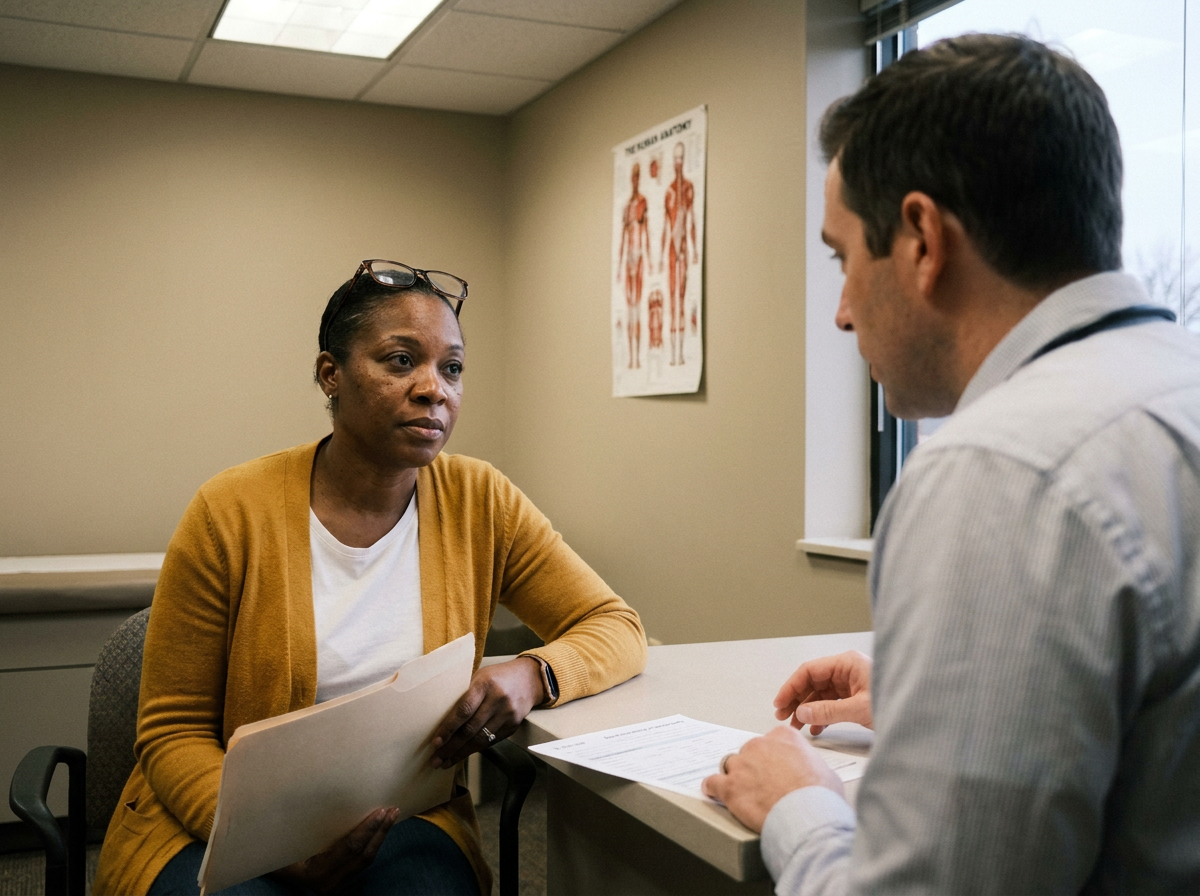
A good accident injury clinic documents your care thoroughly, communicates clearly, and is honest about what it can and cannot treat. Those three things matter more than any billboard. Here’s what to actually ask about, whichever clinic you choose.
Documentation. Clean, thorough records matter for your medical care and for any legal process that follows. You have every right to ask a clinic how they handle documentation.
Bilingual care. If Spanish is your first language, being examined and counseled in that language changes the quality of the visit. Ask directly whether a clinic offers it, and whether it’s a real bilingual clinician or a translated script.
Unhurried visits. High-volume mills process people. Patients feel the difference, and reviews tend to surface exactly this contrast. You want a place where your visit isn’t a stopwatch.
Transparency about scope. A clinic that names what it can’t treat and refers you out is a safer choice than one that claims to handle everything.
Billing familiarity. Accident clinics deal with PIP and Letters of Protection every day. You shouldn’t have to manage the insurance process yourself.
How insurance and billing work for accident care
In Florida, your PIP insurance covers up to $10,000 in medical expenses from an auto accident, as long as you seek care within the reporting window. The clinic handles the billing. You don’t manage it, and you don’t get a bill for covered care.
Here’s how the pieces fit together.
| Situation | What it means for you |
|—|—|
| PIP active | Covers up to $10,000 in medical costs. Clinic bills your insurer directly. |
| PIP exhausted | Care can continue under a Letter of Protection (LOP), a lien arrangement handled with your attorney. |
| Liability claim | An LOP may allow treatment to continue while your bodily-injury claim is pending. |
The Florida Department of Highway Safety and Motor Vehicles outlines the state’s no-fault PIP requirements, including the coverage limit and reporting timeline.
What to bring: your insurance card, the police report if you have it, and any prior records for the injured area.
What you don’t need: a lawyer in tow, a settlement strategy, or money upfront.
This conversation is about getting you access to care. Nothing more.
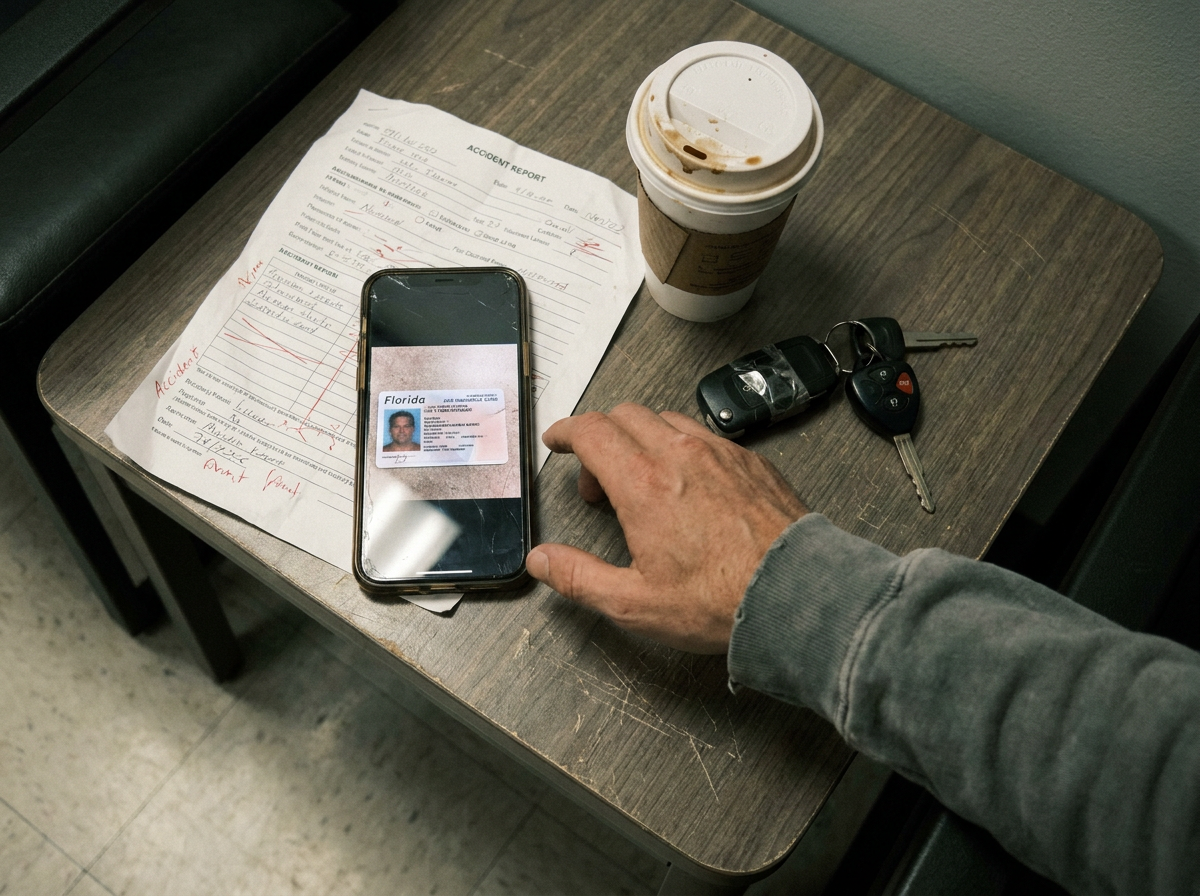
Serving English- and Spanish-speaking patients in Clermont and the surrounding area
We serve Clermont, Minneola, Groveland, Lake County, and west Orange County. Bilingual care is native to how this practice works, not a translation bolted on afterward.
For Spanish-speaking patients, that means you’re examined and counseled in Spanish by someone who speaks it as a first language. The nuance of describing your pain, understanding your plan, asking a follow-up question. All of it in the language you’re most comfortable in.
WhatsApp is available if you’d rather reach us that way. A lot of our Spanish-first patients prefer it, so we made it a real intake channel. Message us and a person answers.
Proximity matters too. Driving is uncomfortable after a crash, and being close by means fewer long trips while you’re still sore. We’re built around being seen in your own language, at your own pace, without feeling processed. That’s the whole idea.
Key takeaways
- Feeling fine after a crash is normal. Whiplash inflammation often builds over 24 to 72 hours, so pain can show up days later.
- Florida PIP generally requires you to seek care within 14 days of the accident to keep your coverage.
- PIP covers up to $10,000 in medical expenses, and the clinic handles the billing so you don’t get a bill for covered care.
- A first visit is a conversation, an exam, and an honest plan. Imaging only when the exam calls for it.
- Common accident injuries include whiplash, lower back strain, headaches, mild concussion, and nerve-related pain.
- A trustworthy clinic documents well, offers real bilingual care, and is honest about what’s outside its scope.
Frequently asked questions
How soon should I see a chiropractor after a car accident?
As soon as you reasonably can, ideally within a few days. Florida’s PIP rules generally require you to seek care within 14 days of the accident to keep your coverage. Getting checked early also documents your injury while it’s fresh, which matters for both your recovery and any claim.
Will I get a bill for chiropractic care after an accident?
Usually not for covered care. In Florida, PIP insurance covers up to $10,000 in medical expenses from an auto accident, and the clinic bills your insurer directly. If your PIP is exhausted, care may continue under a Letter of Protection arranged with your attorney.
Can I be treated if I feel okay after the crash?
Yes, and it’s often worth it. Whiplash and other soft tissue injuries frequently show delayed onset, with pain building over 24 to 72 hours as inflammation develops. An exam can tell you where you stand, calmly, even if you feel fine right now.
Do I need a lawyer before seeing a chiropractor?
No. You can be seen for your injuries without legal counsel in place. The reason to come in is your body, not the legal process. If you already have an attorney, the clinic can coordinate documentation with them.
Is care available in Spanish?
Yes. Spanish-speaking patients are examined and counseled in Spanish by a first-language speaker, not through a translated script. WhatsApp is also available as an intake channel for patients who prefer it.
Come in and tell us what happened
If you were recently in an accident and you’re not sure what to do next, start here. Come in, tell us what’s going on, and we’ll walk you through what we find. In English or Spanish, whichever is easier for you. Spanish-first? Send us a message on WhatsApp and a real person will answer. No rush, no pressure. We’re here to help.
This article is general information, not medical or legal advice. Every injury is different. Talk to a qualified clinician about your specific situation.
Hurt in a car accident? Learn about our car accident chiropractic care in Clermont, including same-day exams and help with your PIP claim.