
Hurt in a Car Accident? Here Is What Chiropractic Care Actually Looks Like
If you were in a car accident and you’re wondering whether chiropractic care makes sense for what you’re feeling, here’s the short version: chiropractic care for auto accident recovery treats the soft tissue and spinal injuries that crashes cause most often, like whiplash, neck pain, back strain, and headaches. This piece walks you through what those injuries are, what happens at a first visit, how Florida PIP covers the care, and where the line sits between what a chiropractor can help with and what needs a different specialist.
Dr. JP Silvera runs Taylor-Made Health & Wellness in Clermont, Florida, treating auto-injury patients in English and Spanish. What follows is written plainly, on purpose. No hype, no pressure.
A quick note before we start: this is general health information, not medical or legal advice for your specific situation.
Why you might feel fine right now and still be injured
You can feel completely fine after a crash and still have a real injury. That’s not a scare tactic. It’s how the body works. Adrenaline masks pain in the hours after an accident, and the inflammation that follows a soft tissue injury takes time to build. Symptoms often show up one to three days later.
This is common with whiplash. The Mayo Clinic notes that whiplash symptoms may not appear for hours or days after the injury.
Think about the mechanics. In a rear-impact collision, your body gets pushed forward while your head lags behind, then snaps the other way. That rapid back-and-forth strains the muscles and ligaments in your neck before you’ve even registered the hit. A side-impact does something similar to the spine, just on a different plane.
So “I feel okay” and “nothing happened to my spine” are two different statements. Getting checked early gives you a baseline, which matters for your recovery and for the record of what happened.
Florida’s PIP rule gives you 14 days to see a provider. We treat that as a health deadline, not a legal one. Getting seen protects your access to care.
What injuries chiropractic care actually helps with after a crash
Chiropractic care after a crash addresses the musculoskeletal injuries a collision tends to cause: whiplash, lower back strain, cervicogenic headaches, and some nerve-related pain. It does not treat everything, and being honest about that is the point.
Whiplash is the big one. It’s a rapid flexion-extension of the cervical spine, meaning your neck whips forward and back fast. That overstretches the muscles and ligaments, which is why you get neck stiffness, headaches, and pain that spreads into the shoulders.
Lower back and lumbar injuries come from the impact itself and, sometimes, the seat belt doing its job. The belt saves you and still leaves strain behind.
Headaches are worth sorting out. Some start in the cervical spine, called cervicogenic headaches, and respond to care for the neck. Others come from different causes. If your headache tracks with neck movement, that points toward the spine.
Mild concussion is where we name the limit clearly. Chiropractic can help with the neck-related, cervicogenic part of post-concussion symptoms. The neurological side runs on a parallel track with the right medical provider. The CDC has good guidance on recognizing concussion symptoms.
Nerve irritation shows up as tingling in the arms or legs. Sometimes that’s referred pain a chiropractor can treat. Sometimes it signals something that needs a different specialist. We’ll tell you which.
What’s outside our scope: fractures, internal injuries, and severe neurological deficits. Those go elsewhere, and we’ll point you to the right place.

What actually happens at your first visit
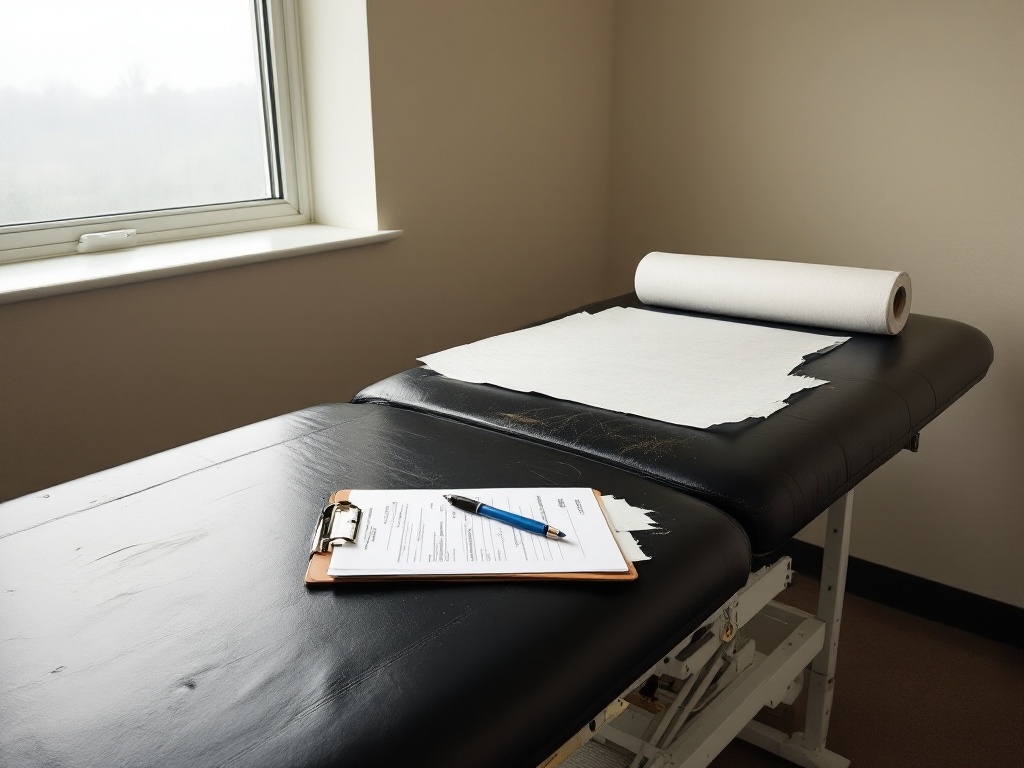
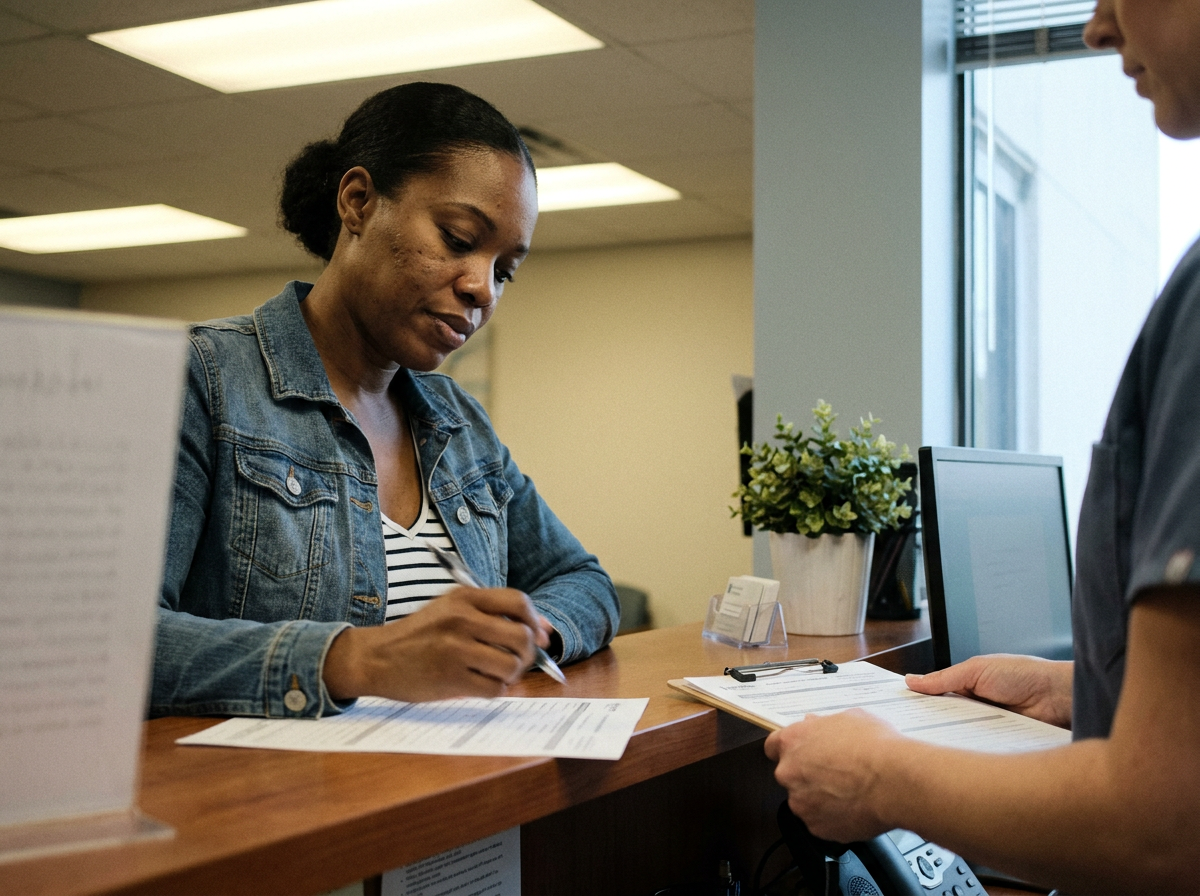
Your first visit is an honest assessment, not a treatment assembly line. It runs through four things: intake paperwork, a physical exam, a real conversation about your symptoms, and imaging if the exam warrants it. Then Dr. JP talks through what he found before anything else happens.
Here’s what that means in practice. Nobody puts hands on you until you understand what’s going on and why. We explain the findings in plain words. If you have questions, you ask them, and we answer.
The first visit isn’t the moment we have everything solved. It’s the starting point. From my experience, that’s how you get an accurate picture instead of a rushed one.
No two injuries are the same. So the plan we build comes from what we actually find in your body, not a standard package everyone gets handed on the way out.
You’ll probably want to know how many visits this takes. We can give you a range based on the type and severity of the injury. We won’t give you a fixed number dressed up as a promise, because that wouldn’t be honest.
And you won’t be rushed. The visit takes as long as it needs to.
How insurance and paperwork work — so you do not have to think about it
Florida PIP (Personal Injury Protection) covers chiropractic care for auto accident injuries up to your policy limits, and it applies regardless of who caused the crash. Most Florida drivers carry at least $10,000 in PIP. For a lot of people, that’s the whole medical cushion after an accident.
We handle the billing and the paperwork. You’re not the one calling the insurance company or chasing forms. That’s our job, and we do it so you can focus on getting better.
You’re probably wondering: will I get a bill? Fair question. Here’s the plain answer. PIP covers care up to your limits. If that coverage runs out, we’ll talk with you about the options before anything happens, including a Letter of Protection or a lien arrangement in cases involving an attorney. No surprises. According to the Florida Department of Financial Services, PIP pays a portion of medical costs after a crash.
None of this is about a settlement or a claim value. We handle the administrative weight so you don’t carry it. That’s the whole message.
If you speak Spanish, the same process happens in Spanish, from the first contact forward.
What a course of chiropractic treatment looks like week by week
A course of chiropractic care after a crash tends to move through three phases: calming acute pain first, then rehabilitating and strengthening, then tapering toward discharge. The pace depends on your injury, and nobody can promise a fixed timeline honestly.
Early phase. The goal is bringing down acute pain and inflammation and restoring basic range of motion. Adjustments and soft tissue work help the neck and back start moving again. Some of it feels like pressure and release. We’ll describe each thing before we do it.
Mid phase. This is where rehabilitation comes in. We work on strengthening the muscles that support the injured structures so the improvement holds, and we address referred pain if you have it. The American Chiropractic Association points to this kind of active rehab as a core part of recovery.
Later phase and discharge. As you improve, we start talking about winding down. The decision to end treatment comes from how your body is actually responding, measured against where you started. We’ll explain what follow-up looks like.
Some people feel better fast. Others take longer, depending on injury severity, age, and the details of the crash. We keep you informed the whole way. Nothing in the plan changes without an explanation.
How we document your injury — and why it matters
Documentation is the honest record of what happened to your body and how it responded to care. That’s its purpose. Nothing more, nothing less.
A proper injury record includes several things: the intake findings, the objective exam data, any imaging we obtain, the treatment notes, and the progress markers over time. Together they tell the true story of the injury and the recovery.
For the attorney or case manager reading this, here’s what matters to you. We turn records around promptly. Our causation language is defensible because it reflects what the exam actually showed. And we right-size treatment to the injury, neither under-treating nor over-treating. A clean, consistent record protects the patient and holds up under scrutiny.
We don’t build documentation to strengthen a case or move a number. We document because an accurate record is part of good care. If the treatment is honest and the notes reflect it, the record does its job on its own.
One more thing on language. Spanish-speaking patients receive their care and every conversation in Spanish. The records themselves are produced in English for legal use. That’s the whole approach.

What to do in the first 48 hours after a crash
In the first 48 hours after a crash, get evaluated even if you feel fine, write down when your symptoms start, and follow any instructions from the ER or emergency responders. These steps protect your body first. Everything else follows from that.
Here’s a simple list for the first two days:
- Get checked by a medical provider, even without sharp pain. Delayed-onset injuries are real.
- Note when symptoms begin and what they feel like. Write it down. Details fade fast, and your own record helps.
- Follow any guidance from the ER or the responders at the scene before you come in for chiropractic care.
- Know that if you carry a Florida auto policy, PIP coverage is typically available regardless of fault. That removes the cost worry that stops a lot of people from getting seen.
Reaching out to us is a low-pressure first step. A call or a message to ask questions doesn’t commit you to anything.
The 14-day window is real. We mention it once, calmly. Waiting past it can affect your access to PIP-covered care, so it’s worth knowing.
Care in English and Spanish — because your first language matters here
About half the patients who come through our door speak Spanish as their first language. Taylor-Made was built for that from the start. It isn’t a service we bolted on later.
Dr. JP and the team work in Spanish through the whole process: intake, the exam, the treatment conversation, and follow-up. This isn’t a translated script read back to you. It’s care in your own language, so you’re not managing a language gap on top of an injury.
We use the usted register throughout. Respectful and warm, never cold or distant.
For Spanish-first patients, WhatsApp is the easiest way to reach us. You can send a message and start the conversation there, at your own pace.
Estamos aquí para ayudarle.
Key takeaways
- You can feel fine after a crash and still be injured. Whiplash symptoms may show up one to three days later.
- Chiropractic care after an accident treats whiplash, back strain, cervicogenic headaches, and some nerve pain. Fractures and severe neurological injuries go to a different specialist.
- A first visit is an honest assessment, explained in plain words before any treatment starts.
- Florida PIP typically covers chiropractic care up to your policy limits, regardless of fault. We handle the billing and paperwork.
- Treatment usually moves through an early, mid, and later phase, with no guaranteed timeline.
- Care and communication happen in English or Spanish, with WhatsApp available for Spanish-first patients.
Frequently asked questions
How soon after a car accident should I see a chiropractor?
See a provider as soon as you reasonably can, ideally within a few days. In Florida, the PIP 14-day window matters because seeing a provider inside it protects your access to PIP-covered care. Even if you feel fine, an early evaluation gives you a baseline and catches delayed-onset injuries like whiplash.
Does Florida PIP cover chiropractic care after an accident?
Yes. Florida PIP typically covers chiropractic care for auto accident injuries up to your policy limits, and it applies regardless of who was at fault. Most Florida drivers carry at least $10,000 in PIP coverage. If coverage runs out, we talk through the options with you before anything happens.
How many chiropractic visits will I need after a crash?
It depends on the injury type and severity, so we give you a range rather than a fixed number. Some people improve quickly. Others take longer, depending on the injury, age, and other factors. We’ll never hand you a guaranteed timeline, because an honest range is more use
Hurt in a car accident? Learn about our car accident chiropractic care in Clermont, including same-day exams and help with your PIP claim.