

Getting Chiropractic Care After a Car Accident: What to Expect and What to Ask
You can walk away from a car accident feeling okay and still be injured. That is not a scare tactic. It is how the body works after a crash, and it is the main reason to get checked even when nothing feels broken. This piece walks through what a chiropractic evaluation after an accident actually involves, how PIP insurance handles the cost in Florida, what to expect over the course of treatment, and the questions worth asking any clinic before your first visit. We serve patients in Lake County and west Orange County, in English and Spanish.
This article is general information, not medical or legal advice. For advice about your specific injury or claim, talk to a licensed provider or attorney.
You might feel fine right now, and that is worth paying attention to
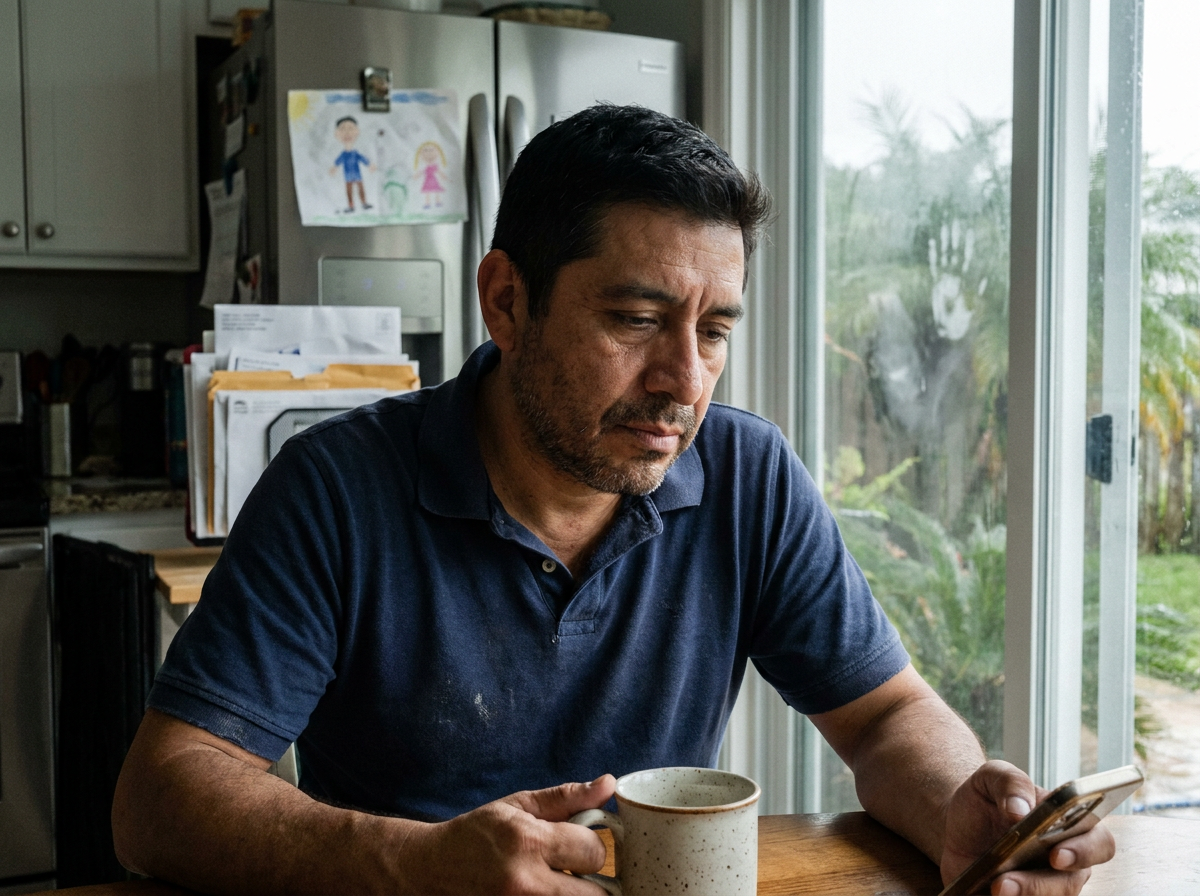
Feeling fine after a crash is common, and it does not always mean you are fine. After an accident, your body floods with adrenaline. That response can mask pain for 24 to 72 hours, sometimes longer. So the soreness that was not there at the scene can show up the next morning.
Here is what I’m hearing from a lot of people: “I was in a wreck, but nothing feels broken, so do I really need to go in?” That is a fair question. It deserves a straight answer.
The symptoms people tend to brush off are the quiet ones. Stiffness in the neck the morning after. A headache that starts two days later. Soreness between the shoulder blades that you assume is from sleeping wrong. According to the Mayo Clinic, whiplash symptoms often appear within a day of the injury and can include neck stiffness, headaches at the base of the skull, and reduced range of motion.
Knowing where you stand is different from assuming you are fine. An early evaluation tells you which one you are dealing with. That is all it does, and that is worth a lot when your only coverage is a $10,000 PIP cushion.
What a chiropractic evaluation after a car accident actually involves
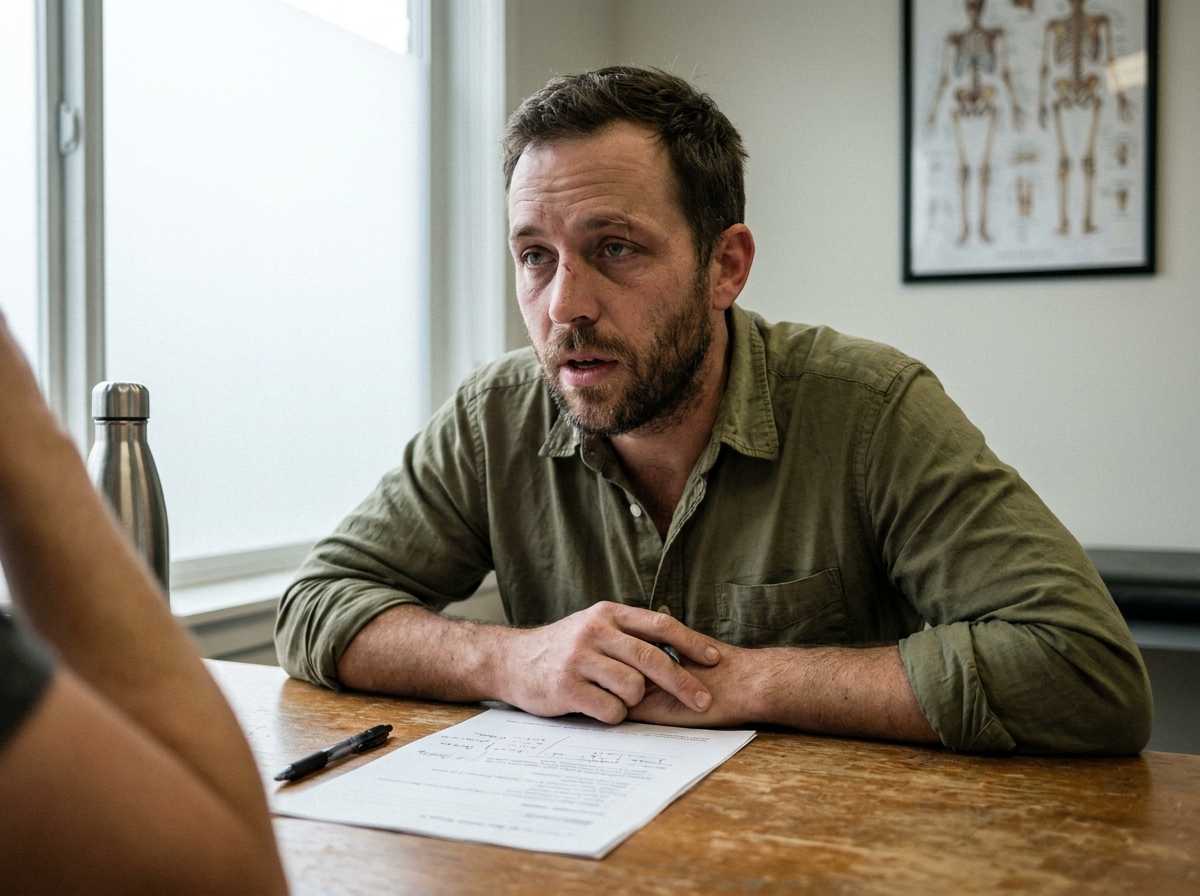
A chiropractic evaluation after a car accident is an exam to find out what the crash did to your body. It usually runs in three parts: an intake conversation about the accident and how you feel, a physical and orthopedic assessment, and an explanation of what was found in plain words. No treatment happens until we know what we are treating.
So what is the chiropractor actually looking for? Soft tissue injury, meaning strained muscles and ligaments. Restricted range of motion, meaning how far you can turn your head or bend before it hurts. And changes in spinal alignment caused by the force of the impact.
You told us your neck hurts and you get headaches. We confirm that is the concern, then we reason through it. A headache that starts at the base of the skull and wraps forward is often a cervicogenic headache, which means a headache coming from the neck rather than the head itself. The exam is built to tell those apart.
Chiropractic care does not cover everything, and we say so up front. Fractures, bleeding, and neurological emergencies fall outside our scope. If the exam points to any of those, we refer you out to the right specialist. Naming what we cannot do is part of doing this honestly.
How PIP insurance works with chiropractic care in Florida
PIP, or Personal Injury Protection, is no-fault coverage that pays a portion of your medical costs after a crash regardless of who caused it. Most Florida drivers carry it because the state requires it. According to the Florida Department of Highway Safety and Motor Vehicles, drivers must carry $10,000 in PIP coverage. That $10,000 is often the whole medical cushion, so how it gets used matters.
Here is the honest version of the billing question: we handle the insurance paperwork and billing so you do not have to navigate it alone. That means you tell us what happened, and we take the administrative weight off your plate.
PIP covers medical treatment. It does not always cover everything in full, and we will not pretend otherwise. Florida law currently requires you to seek care within 14 days of the accident to be eligible for PIP benefits, per the Florida Statutes on PIP. That timeline is a fact you should know, not a reason to rush in a panic.
Note: Florida’s no-fault law has been debated for possible changes. If the rules shift, the smart move is still the same, document your injury early to protect yourself. If you are outside the PIP window or carry different coverage, options like a letter of protection or cash pay exist, and we will explain them plainly.
We do not link care to settlements. The only frame here is that this covers your medical treatment.
What makes a good chiropractic provider for accident injuries specifically
A good accident-injury provider treats the injury and documents it properly, because both protect you. Accident-injury chiropractic is not the same as general wellness chiropractic. The injury types are different, the documentation requirements are stricter, and the care often coordinates with an attorney handling your claim.
Clean documentation is a clear record of what was found, what was treated, and how your condition changed over time. That record protects your interests. A vague file helps no one, least of all you.
What should you look for in a provider?
- Someone who explains findings honestly, in words you understand
- A clinic that does not push visits you do not need
- Care available in your language
- Realistic timelines instead of promises
And what should make you cautious? Clinics that promise specific outcomes. Places that rush you through in a few minutes. Any provider who frames your treatment around the size of a payout instead of your recovery. That last one is the clearest line between a documentation-focused clinic and a volume mill. We treat what is there, we document it, and we are honest about what is not. That is the whole approach.
What to expect over the course of treatment
Treatment usually follows a clear arc: an initial evaluation, a treatment plan based on what was found, periodic reassessment, and an honest endpoint. You are not signed up for a mystery. You know the shape of it going in.
How long does it take? It varies, because injuries vary. A mild strain and a significant whiplash injury do not heal on the same clock. We will not tell you that you will be pain-free in a set number of visits, because no honest provider can promise that. The American Chiropractic Association notes that treatment plans for injuries are individualized based on the patient’s condition and response to care.
On the time commitment: visits typically run 30 to 45 minutes. Frequency tapers as you improve. And the schedule gets explained to you upfront, not sprung on you week to week.
At each stage, we tell you how you are progressing. You should never sit in a treatment room wondering why you are still coming in. Care ends when it should end, when your body has recovered as far as this kind of care can take it. Not when a billing cycle says so.
Care in English and Spanish, whichever feels right for you
We serve Spanish-speaking patients natively. That means a real bilingual person, not a translated script or a phone interpreter passing messages back and forth.
Here is what that looks like in practice. The intake conversation, the exam, the explanation of what we found, and every follow-up happen in the language you are most comfortable in. When you are hurting and worried about bills, the last thing you should have to do is fight through a language barrier to explain where it hurts.
About half the people we care for speak Spanish first. That is not a marketing line. It is who this community is, across Clermont, Minneola, Groveland, and greater Orlando, and it is who we built the practice to serve.
For Spanish-first patients, WhatsApp is the easiest way to reach us. You can message us there, tell us what happened, and we will take it from there.
Estamos aquí para ayudarle, en el idioma que prefiera.
Questions worth asking any chiropractic clinic before your first visit
You are doing your research, and you deserve honest criteria to judge by. The right questions tell you a lot about a clinic before you ever walk in.
Here are five worth asking:
- Do you treat auto accident injuries specifically? General wellness care and accident care are not the same work.
- How do you handle PIP billing? You want to hear that they manage the paperwork for you.
- Will you explain what you find in plain language? If the answer is vague, that tells you something.
- What happens if my injury is outside your scope? A good clinic refers out without hesitation.
- How do you communicate my progress? You should know why you are still coming in, every step.
A clinic that can answer all five honestly is the kind of clinic worth choosing. You do not need me to name names. Just ask the questions and listen to how they answer.
So what do you do next? Get evaluated. Ask your questions. Make your decision based on what you actually hear, not what a billboard promised.
Key takeaways
- After a crash, adrenaline can hide pain for 24 to 72 hours, so feeling fine does not rule out injury.
- A chiropractic evaluation involves an intake conversation, a physical exam, and a plain-language explanation of findings.
- Florida requires $10,000 in PIP coverage and care within 14 days of the accident to stay eligible.
- Accident-injury chiropractic requires clean documentation that protects the patient’s record.
- Treatment length varies by injury; no honest provider promises a fixed number of pain-free visits.
- Care is available natively in English and Spanish, with WhatsApp as the contact channel for Spanish-first patients.
- The right questions, asked before your first visit, reveal whether a clinic is a good fit.
Frequently asked questions
How long after a car accident should I see a chiropractor?
It is worth getting checked within a few days, even if you feel okay, because whiplash symptoms often appear 24 to 72 hours after a crash. In Florida, PIP coverage currently requires you to seek care within 14 days of the accident. Getting evaluated early means you know where you stand instead of guessing.
Will chiropractic care after an accident cost me anything out of pocket?
In most cases, Florida PIP covers a portion of your medical treatment regardless of fault, and the clinic handles the billing paperwork. Coverage does not always cover everything in full. If you are outside the PIP window or have different insurance, options like a letter of protection may apply, and a clinic should explain them plainly.
What symptoms mean I should get checked after a crash?
Watch for neck stiffness that shows up the next morning, headaches that start a day or two later, soreness between the shoulder blades, and reduced range of motion in your neck. According to the Mayo Clinic, these are common whiplash signs. Any numbness, severe pain, or dizziness should be evaluated promptly.
How many chiropractic visits will I need after an accident?
It varies because injuries vary. A mild strain resolves faster than a significant whiplash injury. Visits typically run 30 to 45 minutes, and frequency tapers as you improve. No honest provider will promise a fixed number of visits or a guaranteed pain-free date.
Can I get chiropractic care in Spanish after a car accident?
Yes. Some clinics, including ours, serve Spanish-speaking patients natively, meaning the intake, exam, and explanation of findings all happen in Spanish with a real bilingual person. For Spanish-first patients, WhatsApp is often the easiest way to make first contact.
Hurt in a car accident? Start with how you are feeling. Come in, tell us what is going on, and we will walk you through it one step at a time. We will see you quickly, explain what we find in plain words, and handle the insurance paperwork for you. In English or Spanish, whichever feels right. If something is outside what we do, we will tell you that too, and point you to the right person. We are here to help.
Prefiere español? Escríbanos por WhatsApp y con gusto le ayudamos.
Hurt in a car accident? Learn about our car accident chiropractic care in Clermont, including same-day exams and help with your PIP claim.