

Chiropractic Care After an Auto Accident: What to Expect and Why It Matters
If you were just in a car accident, the most useful thing you can do is get checked, even if you feel okay right now. Pain from a crash often shows up days later, not minutes later. This article walks through why that happens, what chiropractic care actually does after an accident, how the first visit goes, what it costs under Florida PIP, and how to spot a clinic that treats you like a person instead of a billing code.
A note before we start: this is general information, not medical or legal advice. Every injury is different, and a real evaluation is the only way to know what is going on with your body.
Feel okay after the crash? That is actually the part worth paying attention to
Here’s what we hear a lot: “I walked away, I felt fine, so I figured I was good.” That feeling is real, and it’s also the part worth watching.
Delayed pain is the norm after a crash, not the exception. When your body senses a sudden impact, it floods you with adrenaline. That adrenaline masks pain for hours. Then inflammation from strained muscles and ligaments builds slowly, which is why symptoms often surface 24 to 72 hours later. The American Chiropractic Association notes that whiplash and other soft-tissue injuries frequently produce delayed symptoms because the tissue damage isn’t always felt at the moment of impact.
So feeling fine right after the crash isn’t a clean bill of health. It just means the adrenaline hasn’t worn off yet.
Here’s what to watch for in the days after:
- Neck stiffness or a hard time turning your head
- Headache, often behind the eyes
- Tight shoulders or upper back
- Lower back ache
- Unusual fatigue
- Trouble concentrating or a foggy feeling
None of these mean something is definitely wrong. They mean it’s worth getting checked, calmly, so you know exactly where you stand. Getting evaluated gives you accurate information. That’s the whole point.

Why chiropractic care is often the right first call after an accident
Chiropractic care after an auto accident is hands-on treatment for the neck, back, and soft-tissue injuries that collisions cause. Chiropractors who focus on auto injury are trained in the specific mechanics of crash trauma: whiplash, spinal joints jarred out of alignment by impact, and the strain patterns that show up in muscles and ligaments after a sudden stop.
This is where chiropractic fills a real gap. Emergency rooms are built for emergencies, and if you have a suspected fracture, head bleed, or internal injury, that’s exactly where you belong. But ERs often rule out the life-threatening stuff and discharge you without addressing the musculoskeletal picture, the stiff neck and aching back that follow you home. According to the Mayo Clinic, whiplash treatment centers on managing pain and restoring normal motion, which is the kind of care a chiropractor handles day to day.
An accurate record of your injury also matters, and not for the reasons you might think. It’s not about building anything. It’s a clear account of what happened to your body, documented properly, and it’s yours to have.
We’ll be honest about limits, too. Fractures, internal injuries, and neurological emergencies sit outside what chiropractic treats. If we suspect any of those, we say so and send you to the right person. That’s not a weakness in the care. That’s honest medicine.
Same-day and walk-in access: why it matters right after an accident
Getting seen quickly after a crash matters because the injury picture is clearest early. The days right after impact show the most about what actually happened. Wait a few weeks and you introduce gaps in the record, which can make treatment planning harder and less precise.
There’s a practical clock, too. Under Florida’s no-fault law, you generally must get medical care within 14 days of the accident to access your Personal Injury Protection benefits. The Florida Department of Highway Safety and Motor Vehicles explains PIP as the coverage that pays for your own medical costs after a crash, regardless of who caused it. We’re stating that as a fact, not a scare tactic.
Same-day or next-day availability is the goal here, specifically because we know the window matters and you’ve got enough on your plate.
Now the question most people are actually thinking: will this cost me anything? For covered PIP care, no. We handle the billing and paperwork with the insurance carrier. You shouldn’t get a bill for covered treatment.
And whichever language you’re most comfortable in, English or Spanish, the care is the same. You’ll be understood in the room.
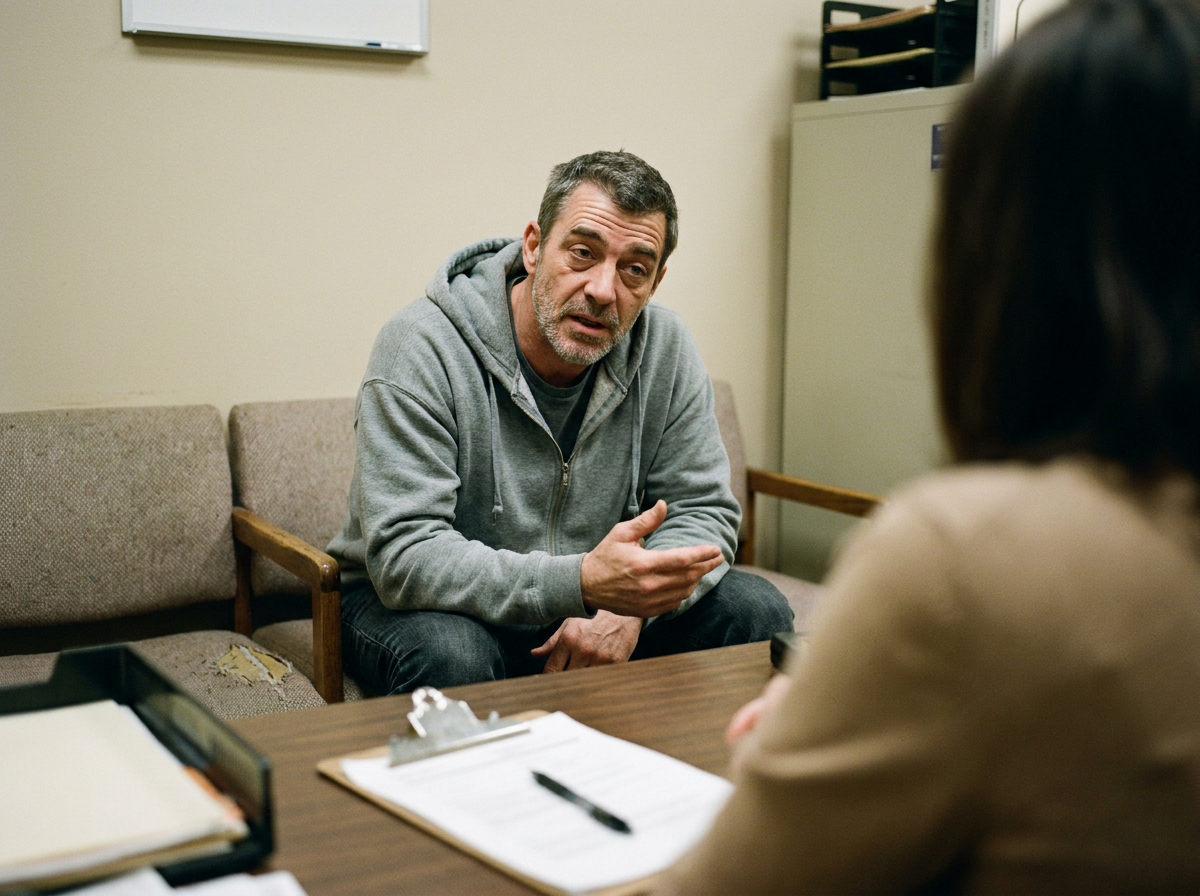
What your first visit actually looks like
Here’s what you’re probably wondering: what happens when I actually walk in? Fair question. Let’s walk through it.
First, a conversation. We ask about the accident, how it happened, and what you’ve been feeling since. Then a physical and orthopedic evaluation, where we check how you’re moving and where things hurt. After that, we explain what we found in plain words, before any treatment starts. Nothing happens to you that you don’t understand first.
This part is unhurried on purpose. The evaluation is not a checkout line. You’ll have time to ask questions, and if something isn’t clear, we’ll go over it again.
If we recommend a treatment plan, it’s built around your specific injury, not a set package decided before we’ve looked at you. No two crashes leave the same marks, so no two plans should be identical. The Cleveland Clinic points out that whiplash recovery timelines vary widely from person to person, which is exactly why a plan should follow the injury, not a template.
If you need imaging that’s outside what we do here, we’ll explain how that referral works. Knowing the process ahead of time takes some of the worry out of it. Did we cover what you were wondering about? If not, that’s what the visit is for.
Common injuries treated after auto accidents
Auto accidents produce a fairly consistent set of injuries, most of them affecting the neck, back, and the muscles and ligaments around the spine. Here are the ones we see most, and what treatment addresses.
Whiplash and cervical strain. This is the most common post-accident injury. Your head snaps forward and back faster than the neck muscles can brace for it, straining the soft tissue. Treatment focuses on restoring motion and easing the muscle tension that follows.
Lower back and lumbar strain. Rear-end and side-impact crashes compress the lower spine. Many people notice the neck pain first and the back pain a few days later, which is normal.
Headaches. A lot of post-crash headaches are cervicogenic, meaning they start in the neck structures and refer up into the head. Ease the neck involvement and the headaches often ease with it.
Mild concussion or post-concussion symptoms. Here’s where honesty matters. Chiropractic can support recovery in some presentations, but concussion often calls for co-management with neurology or a concussion specialist. When symptoms warrant it, we say so and coordinate care rather than pretend it’s all within our lane.
Across all of these, we’ll tell you what we can help with and what sits outside our scope. That’s not a disclaimer. It’s the honest part of the job.

How insurance and paperwork actually work
Florida is a no-fault state, so your own PIP coverage is the first thing that pays for medical care after a crash, no matter who was at fault. PIP typically covers 80% of reasonable medical expenses up to your policy limit, which is often $10,000, as outlined by the Florida DHSMV. To access it, you generally need care within 14 days.
We handle the billing directly with the insurance carrier. Your job is simpler: come in and tell us what’s going on. That’s it.
On the “will I get a bill?” question, for covered PIP care the answer is no. If anything falls outside your coverage, we tell you before it happens, not after. No surprises.
If you’re working with an attorney, some patients treat under a letter of protection instead, which is an arrangement your attorney sets up. Either way, your focus stays on your health, not on the paperwork.
For attorney-referred patients, we communicate directly with the referring firm on documentation and records. You don’t have to be the messenger between your doctor and your lawyer. We take that off your plate.
What to look for in a chiropractor after a car accident
A good post-accident chiropractor specializes in auto injury, documents clearly, handles the insurance side, and is honest about limits. The clinical protocols and paperwork for PIP and personal-injury work are different from general wellness chiropractic, so specialization is worth asking about directly.
A few things to check:
- Do they write clear narrative injury reports? A proper record protects your medical history regardless of what happens later.
- Is the practice genuinely bilingual? If Spanish is the language you think and worry in, a real bilingual practice is not the same as a translated script handed to a front desk.
- Do they evaluate you before recommending a plan? A number of visits shouldn’t be decided before anyone has looked at you.
And watch for mills. These are high-volume clinics that move people through fast, hand out a fixed visit count on day one, or use language that ties your treatment to a settlement. The Insurance Information Institute has documented how staged and inflated auto-injury claims drive up costs and invite fraud investigations, and clinics that operate that way put patients in a bad spot. That’s the opposite of good care.
The right clinic tells you plainly what it can and can’t treat, and refers you out when something is outside its scope.

Key takeaways
- Pain after a crash often shows up 24 to 72 hours later because adrenaline masks it and inflammation builds slowly. Feeling fine isn’t proof you’re uninjured.
- Chiropractic care focuses on the neck, back, and soft-tissue injuries that ERs often don’t address after ruling out emergencies.
- Florida PIP generally requires medical care within 14 days of the accident to access benefits.
- For covered PIP care, you shouldn’t receive a bill. The clinic handles billing with the carrier.
- A good auto-injury chiropractor documents clearly, works in your language, evaluates before planning treatment, and is honest about scope.
- Avoid mills that tie treatment to a settlement or assign a visit count before examining you.
Frequently asked questions
How long after a car accident should I see a chiropractor?
Sooner is better, ideally within a few days. In Florida, you generally need medical care within 14 days of the accident to access your PIP benefits. Getting evaluated early also gives the clearest picture of your injury, since symptoms and the clinical record are most accurate soon after impact.
Can I have a serious injury and still feel fine?
Yes. Adrenaline after a crash masks pain for hours, and soft-tissue inflammation from whiplash often builds over 24 to 72 hours. Feeling okay right after the accident is common and doesn’t confirm that nothing happened. A short evaluation tells you where you actually stand.
Will I get a bill for chiropractic care after my accident?
For care covered under Florida PIP, you shouldn’t receive a bill. PIP typically covers 80% of reasonable medical costs up to your policy limit, and the clinic handles billing directly with the insurance carrier. If anything falls outside coverage, a good clinic tells you before treatment, not after.
What if my injury is outside what a chiropractor treats?
An honest clinic will tell you. Fractures, internal injuries, neurological emergencies, and many concussion cases sit outside chiropractic scope. When those are suspected, the right response is to say so and refer you to the appropriate specialist, sometimes while co-managing your care.
Do I need imaging like an X-ray after a car accident?
Sometimes, depending on your symptoms and the evaluation
Hurt in a car accident? Learn about our car accident chiropractic care in Clermont, including same-day exams and help with your PIP claim.