
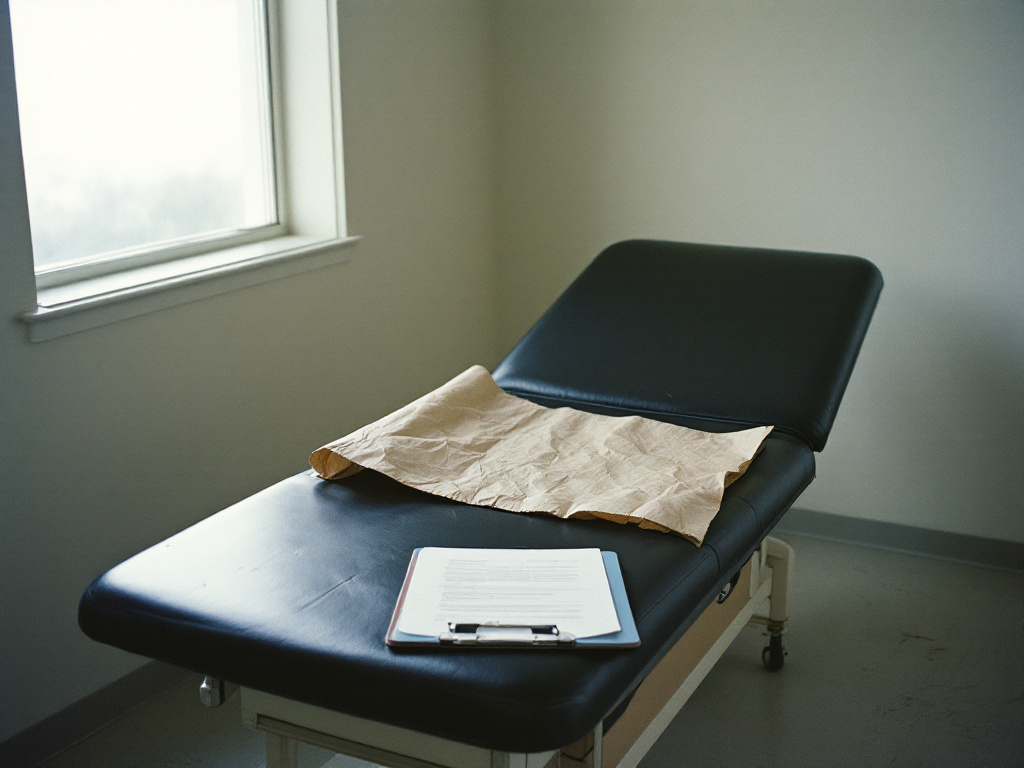
Chiropractic Care After a Car Accident: What to Expect and When to Come In
If you were just in a car accident and you’re not sure whether you need to see anyone, here’s the short version: getting checked gives you an honest answer either way. Chiropractic care after an auto accident focuses on soft-tissue and spinal injuries like whiplash, neck pain, and headaches. Some of those injuries don’t announce themselves right away. This article walks through what tends to happen after a crash, what a chiropractor actually looks at, and when chiropractic care is not the right first step.
Dr. JP Silvera runs Taylor-Made Health & Wellness in Clermont, Florida, treating auto-injury patients in English and Spanish. What follows is the plain-language version of what we tell people when they call.
This article is general information, not medical or legal advice. Every injury is different, and you should get evaluated for your specific situation.
You might feel fine right now — here is why that changes
You can walk away from a crash feeling okay and start hurting two or three days later. That’s how whiplash often works, and it’s one of the most common outcomes of a rear-end collision.
Here’s the reason. Right after impact, your body floods with adrenaline, which masks pain. Inflammation from strained muscles and ligaments builds on a slower clock. So the neck stiffness, the headache, the tightness across your upper back tend to surface 24 to 72 hours later, once the adrenaline fades. The Mayo Clinic notes that whiplash symptoms often appear within days of the injury, not immediately.
A few things worth checking your own body against:
- Neck stiffness or reduced range of motion
- A headache that starts at the base of the skull
- Tightness across the upper back and shoulders
- A dull shoulder ache
- Mild fogginess or trouble concentrating
None of this means something went permanently wrong. It means your body absorbed sudden force and is reacting the way bodies do. If you feel fine, that’s genuinely good news. The point of getting checked isn’t that you’re definitely injured. It’s that a real exam tells you where you stand instead of leaving you to guess.
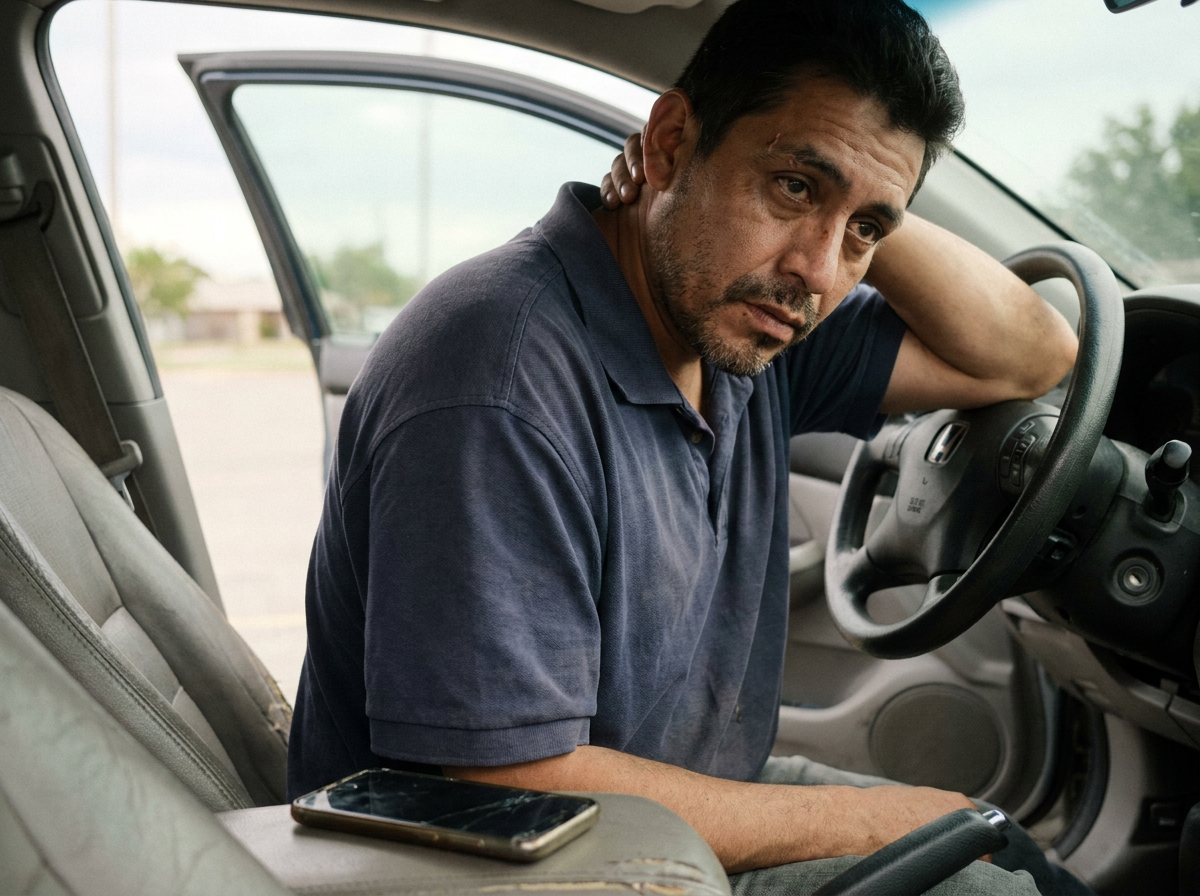
What a chiropractor actually looks at after an accident
A chiropractor’s first job after a car accident is to figure out what your body took and where. That means a physical exam plus a real conversation about the crash, not a rushed once-over.
Here’s what we’re trying to understand in that first visit. We check your range of motion to see where movement is limited or painful. We feel along the spine and the surrounding soft tissue, called palpation, to find strain and areas that moved out of their normal position. We test reflexes to look for signs of nerve involvement. And we ask how the impact happened, from which direction, and where you felt it, because that tells us where to look.
According to Johns Hopkins Medicine, whiplash care usually starts with a full evaluation of the neck and spine before any treatment decision.
Some things sit outside what chiropractic care handles, and we’ll say so plainly. Fractures, significant neurological deficits, and suspected internal injury need a different kind of doctor first. If you need imaging, we’ll tell you. If a referral makes more sense than an adjustment, that’s what happens. We describe the process honestly. We don’t promise the outcome before we’ve looked.
The difference between a chiropractic mill and a practice that documents properly
The difference comes down to whether the care follows the patient or follows a visit count. A mill runs people through on a fixed schedule regardless of how they’re healing. A practice that documents properly matches treatment to the actual injury and writes down what it finds.
You may have already heard warnings about clinics that just want to rack up visits. It’s a fair worry. Good documentation looks like a clear causation narrative connecting the crash to the injury, clinical findings that stay consistent from visit to visit, and treatment that lines up with what’s actually wrong. That protects you, not only your paperwork. A record that reflects reality is a record you can stand behind.
Right-sized treatment matters here. The goal is recovery, not a number on a chart. Some soft-tissue injuries settle in a few weeks. Some take longer. The plan should follow the person. Research summarized by Harvard Health Publishing supports spinal manipulation as a reasonable option for certain back and neck pain, used as part of a plan rather than an open-ended commitment.
We’re honest about what we can help with and what we can’t. That openness is the proof. It isn’t a tagline.
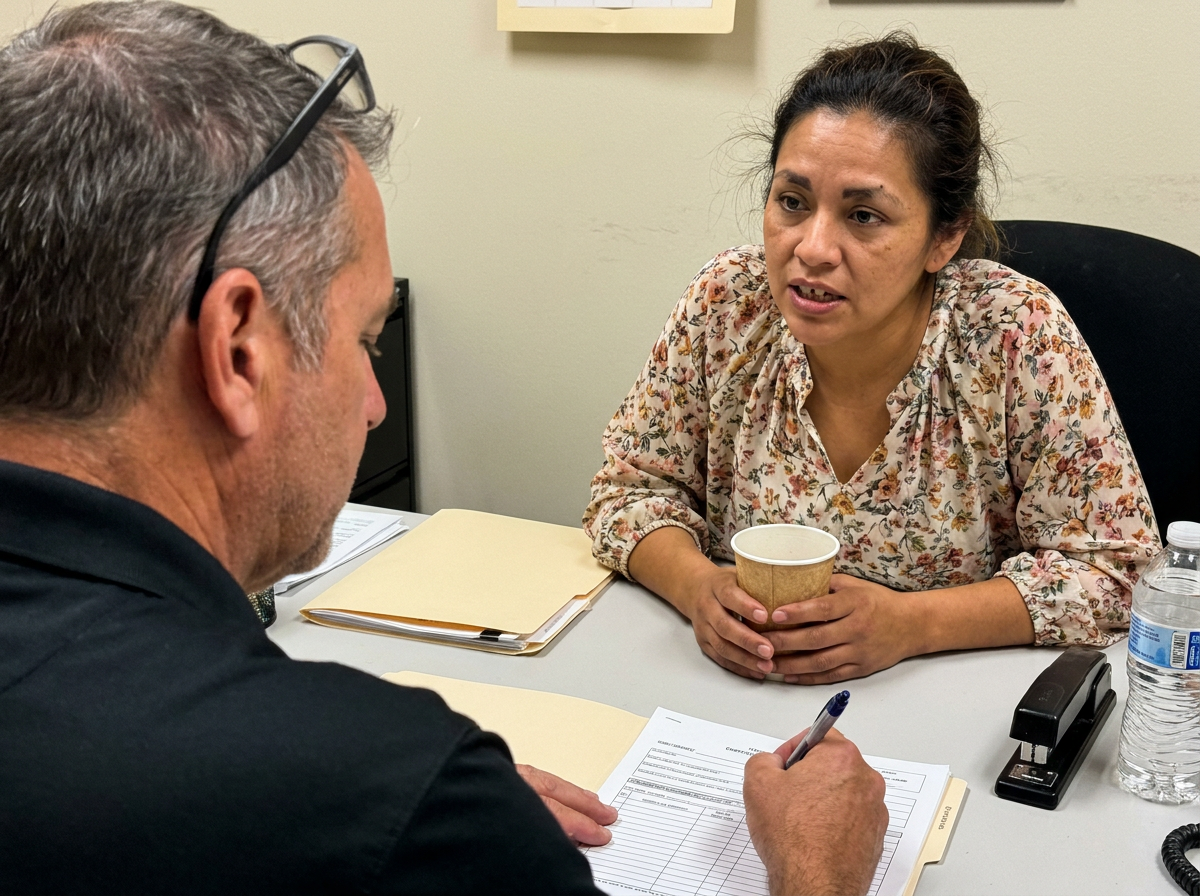
What the first few weeks of care usually look like
The first few weeks after a soft-tissue auto injury usually start with more frequent visits that taper as you improve. Early on, the focus is calming inflammation and restoring movement. As your body responds, visits space out and the plan shifts toward strength and function.
No two injuries move the same way. A stiff neck from a low-speed bump and a whiplash injury from a hard rear-end hit call for different plans, different timelines, different check-ins. This is where tailor-made actually means something: the care is fitted to you, not to a standard protocol pulled off a shelf.
On the practical side, a typical visit is short enough to fit around a working schedule, and progress gets reassessed as you go rather than assumed. If something isn’t improving the way we’d expect, that’s a signal to reconsider the plan, not to keep repeating it.
Billing tends to worry people as much as the injury. In Florida, personal injury protection, or PIP, covers a portion of medical costs after an auto accident regardless of fault. The Florida Department of Financial Services explains that PIP is required on most Florida auto policies. We handle the PIP billing directly, so you’re not chasing paperwork or getting a bill for covered care. That’s a logistics answer, nothing more.
What should you expect to feel? Not a guarantee. But most people with soft-tissue injuries notice steady, gradual improvement as the weeks go on, with some ups and downs along the way. That’s normal, and we’ll tell you the truth about your own progress as we see it.
When chiropractic care is not the right first step
Sometimes the right move is the emergency room, not a chiropractor. Certain symptoms after a crash mean you need an ER, an orthopedic evaluation, or a neurological workup first, before anyone talks about an adjustment.
Get urgent medical attention if you had any loss of consciousness during or after the crash, severe pain radiating down an arm or leg, visual disturbances, significant weakness in a limb, or you can’t bear weight. Those can point to problems that chiropractic care isn’t built to treat, and delaying the right evaluation helps no one.
A practice that tells you when it can’t help you is a practice worth trusting when it says it can. If you walk in and we see something outside our scope, we’ll say so and point you to the right person the same day. That’s not a legal footnote. It’s how we think.

Serving Clermont, Minneola, and the surrounding Lake County area — in English and Spanish
Taylor-Made Health & Wellness sits in Clermont and treats auto-injury patients across Lake County and west Orange, including Minneola, Groveland, and the greater Clermont area. If you were in a crash nearby, you’re in the right service area.
Roughly half of the patients we see are Spanish-speaking, and bilingual care here isn’t a footnote. When you can describe your symptoms in your first language and hear the findings explained back in that same language, the whole visit gets clearer and calmer. You catch details you’d otherwise lose in translation, and so do we.
For Spanish-first patients, WhatsApp is the easiest way to reach us. It’s direct, it’s human, and there’s a real person on the other end. Puede escribirnos por WhatsApp y le respondemos con gusto.
Key takeaways
- Whiplash pain often shows up 24 to 72 hours after a crash, not immediately, because adrenaline masks it early and inflammation builds slower.
- A first chiropractic exam checks range of motion, spinal and soft-tissue palpation, reflexes, and how the impact happened.
- Good documentation means a clear causation narrative and treatment matched to the injury, which protects the patient.
- Care after a soft-tissue injury usually starts frequent and tapers as you improve, fitted to the person rather than a fixed protocol.
- Some symptoms, like loss of consciousness, radiating limb pain, or significant weakness, mean you need an ER or specialist first.
- Florida PIP covers a portion of auto-injury care regardless of fault, and the practice handles that billing directly.
Frequently asked questions
How soon should I see a chiropractor after a car accident?
Many people benefit from an evaluation within a few days of the crash, since whiplash symptoms often surface 24 to 72 hours later. Getting checked early gives you an honest baseline. If you have severe or worsening symptoms, seek emergency care first rather than waiting for a chiropractic visit.
Can I have whiplash if I feel fine right now?
Yes. Adrenaline and inflammation work on different timelines, so you can feel okay right after a crash and start hurting days later. Feeling fine is good news, and an exam simply confirms where you actually stand instead of leaving you to guess.
Will I get a bill for chiropractic care after my accident?
In Florida, PIP coverage pays a portion of auto-injury medical costs regardless of fault. At Taylor-Made Health & Wellness, we handle the PIP billing directly, so you generally won’t receive a bill for covered care. We’ll explain your specific coverage plainly before treatment begins.
What does the first chiropractic visit after an accident involve?
The first visit covers a conversation about the crash, a range-of-motion check, palpation of the spine and soft tissue, and reflex testing to look for nerve involvement. From there, we explain what we found in plain words and whether chiropractic care is the right next step for you.
When should I go to the ER instead of a chiropractor?
Go to the emergency room if you had loss of consciousness, severe pain radiating down a limb, visual disturbances, significant weakness, or you can’t bear weight. These can signal injuries that need urgent medical evaluation first. A chiropractor should refer you out when your symptoms fall outside their scope.
Come in and we’ll walk you through it
If you were recently in an accident, you don’t have to sort out the pain, the bills, and the paperwork before you reach out. Come in, tell us what’s going on, and we’ll walk you through it one step at a time, in English or Spanish, whichever works better for you. We’ll be honest about what we can help with and about anything that’s outside what we do.
Spanish-first? Escríbanos por WhatsApp y con gusto le ayudamos. We’re here to help, and there’s no pressure to have it all figured out before you walk in.
This article is general information and not a substitute for medical or legal advice. Please seek evaluation for your specific injury.
Hurt in a car accident? Learn about our car accident chiropractic care in Clermont, including same-day exams and help with your PIP claim.