
Chiropractic Care After a Car Accident: What to Expect and What to Do First
If you were in a car accident in the last few days and you’re wondering whether to see a chiropractor, here’s the short version: getting checked early is worth it, even if you feel okay right now. Whiplash and soft-tissue injuries often show up 24 to 72 hours after a crash, according to the American Chiropractic Association. This article walks you through what chiropractic care actually does, how Florida’s PIP coverage works, what your first visit looks like, and how we handle the insurance so you don’t have to.
Dr. JP Silvera runs Taylor-Made Health & Wellness in Clermont, FL, treating auto-injury patients in English and Spanish. What follows is the same thing we’d tell you in the room.
You might feel fine right now, and that is actually the tricky part
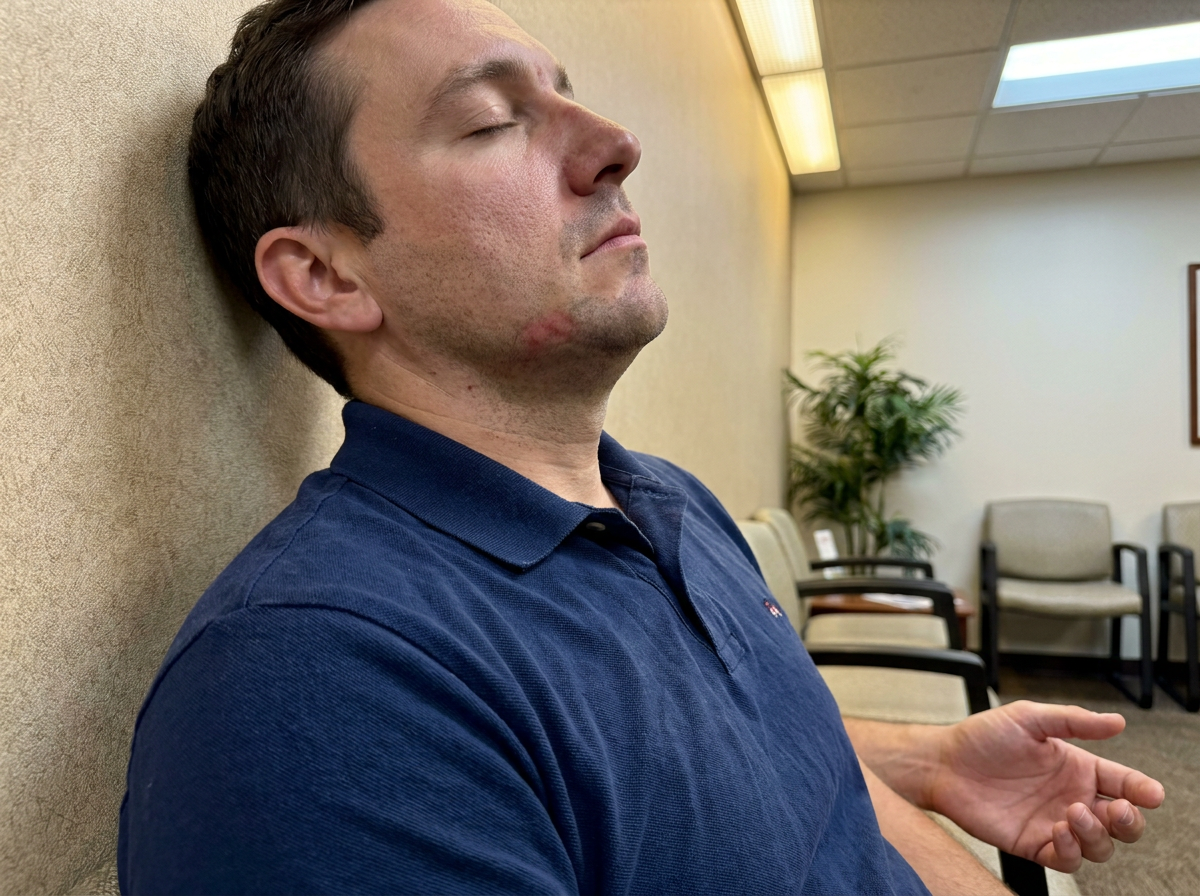
Feeling okay after a crash doesn’t mean you weren’t injured. Adrenaline and inflammation can mask pain for hours or days, which is why whiplash symptoms often surface 24 to 72 hours after the impact, sometimes later. That delay is normal. It’s also the reason a lot of people skip care they actually needed.
Here’s what we hear all the time. You walked away from the wreck, felt shaken but fine, drove yourself home. Then two mornings later your neck is stiff, you’ve got a headache you can’t shake, and you’re wondering if it’s connected.
It usually is.
The Mayo Clinic notes that whiplash symptoms can take up to 24 hours or more to appear after a neck injury. The impact stretches the muscles and ligaments in your neck past their normal range. The pain shows up once the swelling sets in and the adrenaline wears off.
None of this means something has gone badly wrong. It just means it’s worth getting evaluated so you know exactly where you stand, instead of guessing.
What chiropractic care actually does for auto-injury patients
Chiropractic care after a car accident is a focused evaluation and treatment of the spine, soft tissue, and nervous system to address injuries the crash caused. A chiropractor checks your range of motion, looks for muscle and ligament damage, and screens for neurological signs like headaches, dizziness, or numbness.
We can genuinely help with a specific list of things: whiplash, neck pain, upper and lower back pain, and headaches that trace back to a cervical (neck) injury. Those are the injuries auto accidents produce most, and they respond well to hands-on care.
Now the part most clinics skip. Some injuries are outside what we do, and we’ll say so on the spot. Fractures, internal injuries, and moderate-to-severe traumatic brain injury need medical physicians, imaging, and sometimes an ER. Chiropractic care works alongside that process, not instead of it. If your evaluation points to something serious, we point you to the right person the same day.
Your first visit is mostly listening. We take your history, ask what happened in the crash and how you’ve felt since, run a physical assessment, and then explain what we find in plain words. No jargon, no rush.

Florida’s PIP window and why the timing of your first visit matters
Florida law requires that you seek medical care within 14 days of a car accident to keep your Personal Injury Protection (PIP) benefits. This is a coverage rule, not a sales tactic. Miss the window and, under current law, you lose access to the $10,000 in PIP benefits that most policies carry, as outlined by the Florida Department of Highway Safety and Motor Vehicles.
One honest note on the law itself. Florida’s no-fault system has been under legislative review, and as of mid-2026 there’s been ongoing debate about repealing it. If that happens, the framing shifts: instead of a 14-day PIP deadline, the priority becomes documenting your injury early to protect a claim against the at-fault driver. Either way, getting evaluated soon is the smart move.
There are two real reasons to move quickly, and both are true. One, your coverage may depend on the timeline. Two, your body tells a clearer story when the exam happens closer to the crash.
You don’t need to sort out the PIP paperwork before you call. We handle that side for you.
What to bring to your first visit and how we handle the insurance side
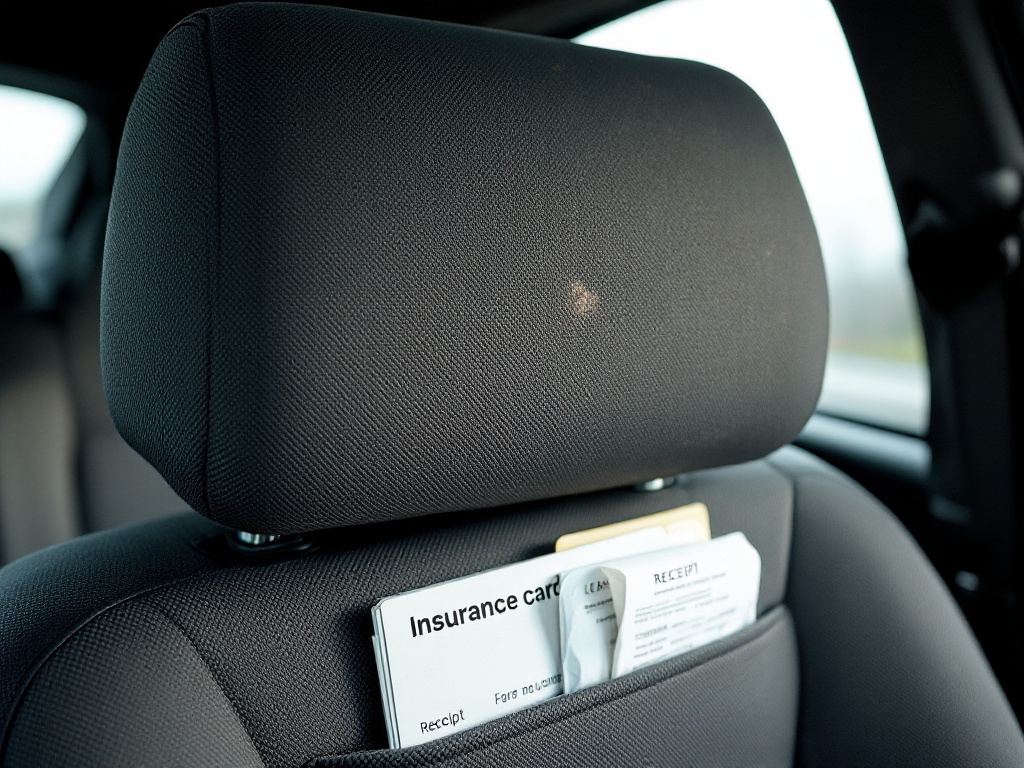
Bring three things if you have them: your auto insurance card, your accident report number, and any discharge paperwork from the ER or urgent care. That’s enough for us to get started. If you don’t have all of it, come anyway. We’ll work with what you’ve got.
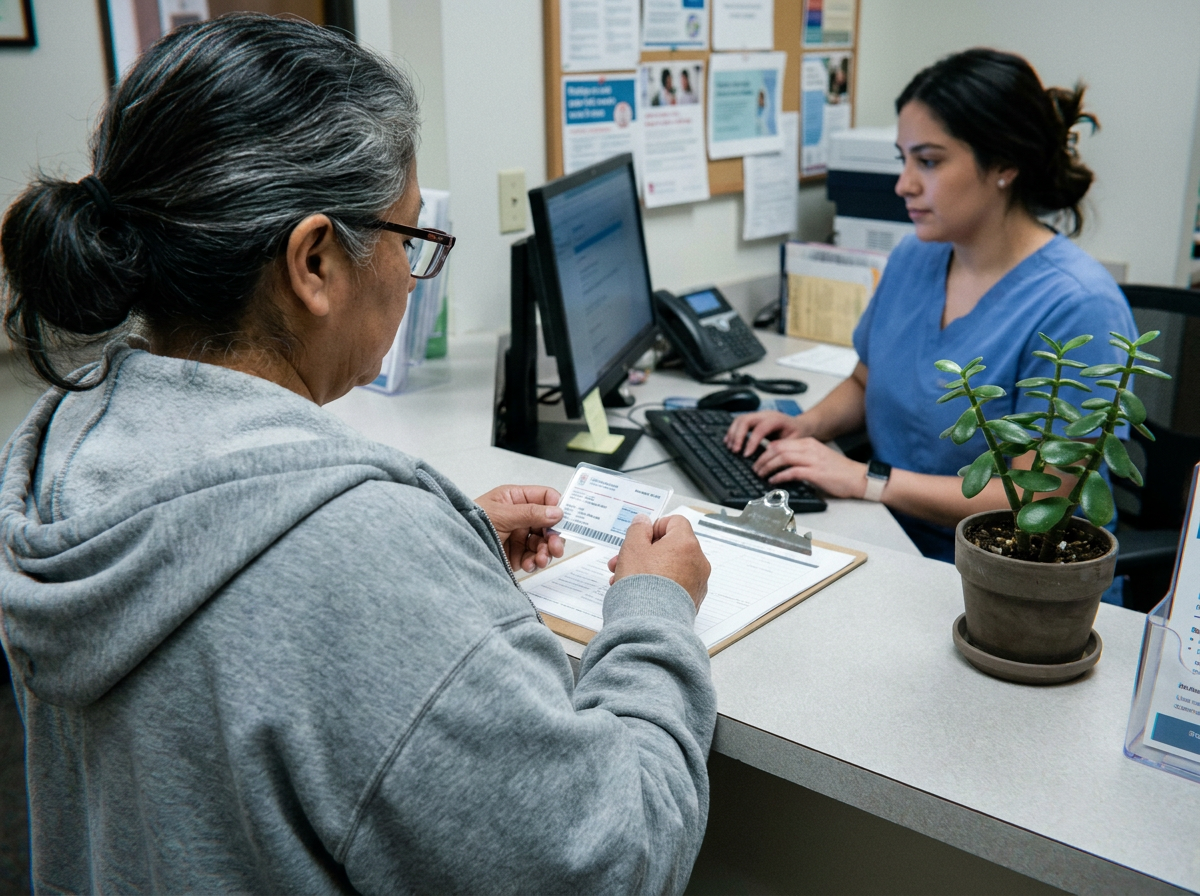
We accept PIP insurance and bill the carrier directly. We bill your PIP insurance directly, and we’ll explain any balance before your care starts. We deal with the insurance company and the paperwork so you can focus on getting better.
A lot of people ask us straight up: “Am I going to get a bill?” Fair question. Here’s the honest answer. We handle the insurance and the billing. If something falls outside your coverage, we tell you before we do it, not after. No surprises show up in your mailbox.
That’s the whole arrangement. You come in, we treat what’s there, and we manage the logistics on the back end.
What treatment actually looks like over time
Chiropractic care for an auto injury is rarely a one-visit fix. Most patients are seen over several weeks, with visits spaced further apart as symptoms improve. The plan comes from what your evaluation finds, not a set number stamped on every patient who walks in.
No two injuries are the same. A mild neck strain and a bad whiplash case need different things, so we build the plan around what your body is actually telling us. From my experience, this is what tends to work best: start with what the exam shows, then adjust as you respond.
You’ve probably heard stories about clinics that keep people coming in for months whether they need it or not. That’s not how we work. When you’re better, we say so, and we taper you off.
Progress usually looks like this in plain terms:
- More range of motion in your neck and back
- Less pain, day to day
- Fewer headaches
- Better sleep
We won’t promise you a timeline we can’t stand behind. What we’ll do is tell you honestly how you’re tracking at each visit.
We see patients in English and Spanish, at your own pace
We treat patients in both English and Spanish, and the Spanish care is native, not run through a translator. Dr. JP and the practice speak with Spanish-first patients directly, in their own language, at every step.
If you’ve ever sat in a waiting room worried you wouldn’t be understood, or that something important would get lost between you and the doctor, that worry is real and we take it seriously. Language shouldn’t create a gap in your care. Here, it doesn’t.
For patients who’d rather reach us in Spanish, WhatsApp works. It’s a warm, direct way to tell us what happened and ask what to do next.
And the pace matters as much as the language. You won’t be processed through a line. When it’s your appointment, the room is yours. We ask, more than once, whether there’s anything else on your mind before we finish. ¿Tiene alguna otra preocupación?
That’s not a script. It’s how we run the visit.
Questions we hear most from patients after a car accident
I feel fine. Do I really need to come in?
Feeling fine is common after a crash and doesn’t rule out injury. Whiplash and soft-tissue damage often show up 24 to 72 hours later, once adrenaline fades and swelling sets in. A short evaluation tells you whether there’s something to treat, so you’re not left guessing for a week.
Who pays for this?
For covered care, PIP does, and we bill your carrier directly. We bill your PIP insurance directly, and we’ll explain any balance before your care starts. If anything falls outside your coverage, we tell you before we proceed. No settlement talk, no money games. Just insurance and paperwork we handle for you.
How long will this take?
It depends on what your evaluation finds. Most auto-injury patients are seen over a few weeks, with visits spacing out as they improve. We build the plan around your injury, not a fixed package, and we stop when you’re better.
I’ve never been to a chiropractor. What’s it like?
Your first visit is mostly conversation and a physical exam. We take your history, check your range of motion and neurological signs, then explain what we find in plain words. You’ll know what’s going on before any treatment happens.
What if I was told I have a herniated disc or something more serious?
Then chiropractic care may work alongside your other providers, not replace them. We coordinate with medical physicians and imaging when your case calls for it. If something is outside what we do, we refer you openly. Naming our limits is part of the job.
Key takeaways
- Whiplash and soft-tissue injuries often appear 24 to 72 hours after a crash, so feeling fine right away doesn’t mean you’re uninjured.
- Chiropractic care after a car accident addresses whiplash, neck and back pain, and cervical headaches. Fractures, internal injuries, and serious TBI need medical physicians.
- Florida’s PIP rule requires care within 14 days of the accident to keep benefits, though the no-fault law is under legislative review as of mid-2026.
- Taylor-Made accepts PIP, bills the carrier directly, and tells you upfront if anything falls outside coverage.
- Treatment runs over weeks, tapering as you improve, with a plan built around your specific injury.
- Care is available natively in English and Spanish, with WhatsApp as an intake option for Spanish-first patients.
Come talk to us
If you’ve been in an accident, come in and tell us what happened. We’ll evaluate what’s going on, explain what we find in plain words, and walk you through it one step at a time. We handle the insurance and the paperwork. If you’d rather reach us in Spanish, WhatsApp works too.
We’re here to help.
This article is for general education and isn’t medical or legal advice. If you’re in severe pain, have trouble breathing, or notice signs of a serious head injury, seek emergency medical care first.
Hurt in a car accident? Learn about our car accident chiropractic care in Clermont, including same-day exams and help with your PIP claim.