

Chiropractic Care After a Car Accident: What to Expect and How We Can Help
Hurt in a car accident near Clermont? Here’s the short version: chiropractic care after a car accident treats the soft-tissue and joint injuries that follow a crash, like whiplash, neck pain, headaches, and back strain. In Florida, your Personal Injury Protection (PIP) covers this treatment, but care has to start within 14 days of the accident. This page walks you through what to expect, how billing works, and what we can and can’t help with.
We’re Taylor-Made Health & Wellness in Clermont, and we see auto-injury patients in English and Spanish. No rush. No pressure.
You might feel fine right now, and that is worth paying attention to
Feeling okay after a wreck is common, and it doesn’t mean something is definitely wrong. But it’s worth getting checked. After a crash, your body floods with adrenaline, which blunts pain signals. That’s why soreness, stiffness, and headaches often show up 24 to 72 hours later instead of at the scene.
This is how whiplash works. The Mayo Clinic notes that whiplash symptoms frequently develop within a day of the injury, not immediately.
Here’s what to watch for in the days after:
- Neck stiffness or reduced movement
- Shoulder and upper-back tension
- Headaches that start at the base of the skull
- Lower back pain
- Fatigue or brain fog you didn’t have before
Getting checked isn’t about protecting a claim. It’s about your body. You’ll know exactly where you stand.
One real note on timing: Florida PIP requires care to begin within 14 days of the accident for coverage to apply. We say it plainly because it’s true, not to scare you.
What we actually look at during your first visit
Your first visit is a conversation, then a hands-on assessment. We start by asking what happened and how your body feels. Then we do a physical exam of your neck and spine. If there was any head impact, we run basic neurological checks too. That’s it. Nothing intimidating.
In plain terms, a chiropractic evaluation looks at four things: how far you can move without pain (range of motion), where the soft tissue is tender, how your spine is aligned, and whether your symptoms point to nerve involvement.
For accident patients specifically, we’re watching for whiplash-associated disorders, cervicogenic headaches, lumbar strain, and any signs of concussion that need a referral.
We’re honest about scope. If we need imaging to see what our hands can’t feel, we tell you why. If something looks like it’s outside what chiropractic handles, we name it and point you to the right person.
More findings never mean more visits. The assessment is about understanding your injury. Nothing else.
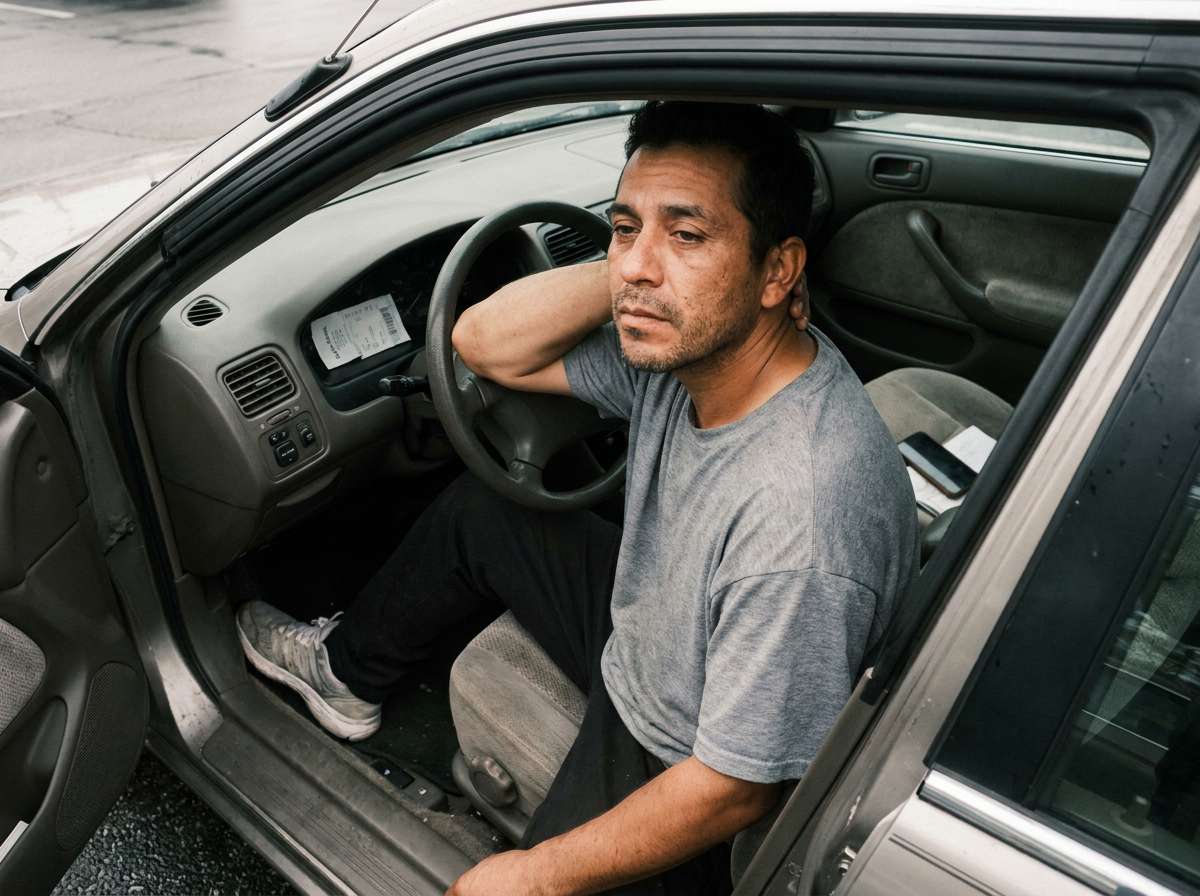
How treatment works, and what the timeline looks like for most people
Care after a car accident usually moves through two phases. First, an acute phase focused on calming inflammation and getting your movement back. Then a rehabilitation phase as the tissue heals and you rebuild strength.
No two injuries are the same, so the timeline depends on what your assessment finds. We won’t promise you a fixed number of visits. From our experience, that’s a number a mill invents to fill a schedule, not a number your body decides.
Never had an adjustment? Here’s what it is. A chiropractic adjustment is gentle, controlled pressure applied to a specific joint to restore normal movement and ease nerve irritation. The American Chiropractic Association describes it as a targeted way to improve joint function and reduce pain.
Depending on what you need, we may add soft-tissue work to loosen tight muscles or therapeutic exercises to rebuild support around the injury. Each one has a reason, and we’ll explain it.
This is what tailor-made means. Care fitted to what your body actually needs, not a standard package stamped onto every accident patient.
Whiplash, neck pain, back pain, and headaches: what the research says and what we see
Whiplash is a rapid forward-and-back snap of the head that strains the ligaments and muscles of the neck. It can happen without anything showing up on a standard X-ray, which throws a lot of people off.
That’s the part worth understanding. A clean X-ray means no fracture. It does not mean nothing happened. X-rays show bone, not the strained soft tissue that causes most whiplash pain. Research published in The Spine Journal has documented soft-tissue and ligament injuries in whiplash patients that standard imaging misses.
Then there are the headaches. Cervicogenic headaches start in the joints and muscles of the neck, and they get mistaken for tension headaches all the time. Because the source is the neck, they often respond well to chiropractic care aimed at the cervical spine.
Low back pain shows up too, even in low-speed crashes. The force of impact can strain the lumbar muscles and compress discs.
Now the limits. Moderate to severe traumatic brain injury, fracture, vascular injury, and significant neurological deficits need emergency or specialist care, not a chiropractor. We say that openly because it’s the truth, and knowing it protects you.
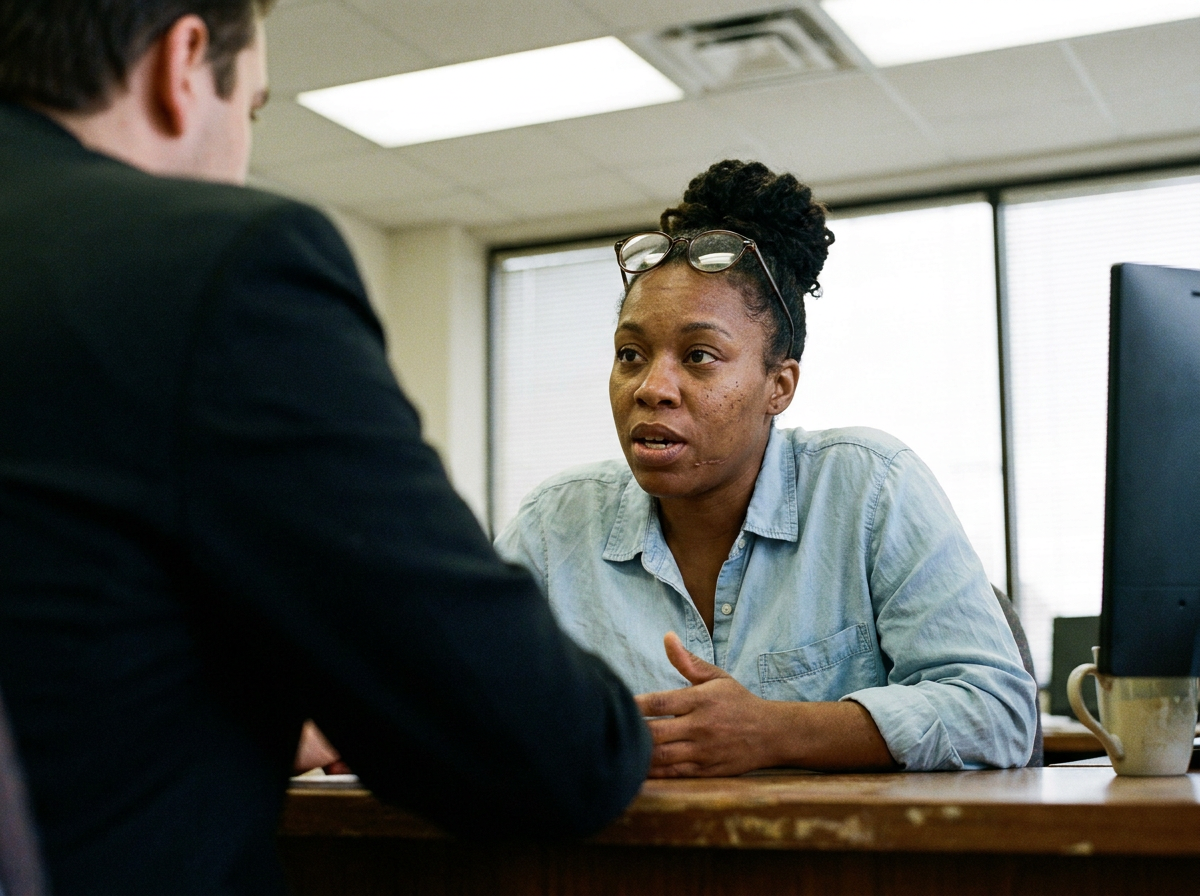
Insurance, paperwork, and billing: how this works at Taylor-Made
Florida PIP, or Personal Injury Protection, covers medical treatment after a car accident regardless of who was at fault, up to your policy limit. The Florida Department of Financial Services confirms most drivers carry a $10,000 PIP benefit. Remember the rule: care has to begin within 14 days of the accident.
We handle the PIP billing and paperwork directly. You don’t navigate that alone.
The most common worry we hear is “will I get a bill?” Here’s how it usually breaks down:
- PIP applies first, covering treatment up to your policy limit.
- If you have an attorneyWith a letter of protection (LOP), your attorney agrees that your medical bills will be paid from your case settlement.
- If there’s a gap in coverage, we walk you through it before anything happens, not after.
We work with PI attorneys and their case managers every week. Our documentation is clear, prompt, and accurate.
We handle the paperwork so you can focus on healing. That’s the whole frame. We don’t talk about settlements or claim amounts, because your treatment has nothing to do with a payout.
Seeing us quickly after an accident: how to get in and what to bring
Same-day and next-day appointments are available for accident patients. If you’re hurting and unsure, you don’t have to wait days to be seen.
Bring what you have. It helps, but don’t stress if you’re missing something:
- The accident report, if you’ve got it
- Your insurance information
- Any imaging from the ER or urgent care
- A list of your symptoms, even the small ones
If your attorney sent you here, good. We coordinate records and documentation with their office directly. You’re not the go-between, chasing paperwork between two places while you’re trying to recover.
For our Spanish-first patients: we see you in Spanish. Not a translated form handed across the desk, but the actual conversation, in your own language. And you can reach us on WhatsApp with questions before or after your visit.
The goal of this section is simple. You leave knowing exactly what to do next, and the whole thing feels manageable.
What we can help with, and what is outside our scope
We handle the injuries that follow most car accidents well: soft-tissue injuries, whiplash-associated disorders, spinal joint dysfunction, cervicogenic headaches, and the muscle and nerve symptoms that come with them.
Some things need a different provider, and we’ll tell you the moment we spot them:
- Suspected fracture
- Significant traumatic brain injury
- Vascular symptoms
- Severe or progressive neurological deficits
- Anything that isn’t improving the way it should
If something at your visit points to a condition outside chiropractic scope, we say so directly and help coordinate a referral. That’s not a care failure. It’s the entire reason a proper assessment exists.
This is the part that matters most. Naming our limits openly is the proof that we won’t over-treat you or keep you coming back past what your body needs. We state the limit, explain why, and move on.
Key takeaways
- Whiplash and other accident injuries often show up 24 to 72 hours after the crash because adrenaline masks pain at the scene.
- Florida PIP covers accident treatment regardless of fault, but care must begin within 14 days.
- A clean X-ray rules out a fracture, not soft-tissue injury, which is what causes most whiplash pain.
- Taylor-Made handles PIP billing and paperwork directly and coordinates with your attorney’s office.
- Same-day and next-day appointments are available, and we see patients in English and Spanish.
- We treat soft-tissue and joint injuries, and we refer out for fracture, serious head injury, and neurological red flags.
Frequently asked questions
How soon after a car accident should I see a chiropractor?
It’s worth getting checked within the first few days, even if you feel fine. Symptoms like neck stiffness and headaches often appear 24 to 72 hours later. In Florida, PIP also requires that care begin within 14 days of the accident for coverage to apply, so waiting too long can affect both your recovery and your benefits.
Will chiropractic care after a car accident cost me anything out of pocket?
In most cases, Florida PIP covers your treatment up to the policy limit regardless of fault. If you’re represented by an attorney, a letter of protection can arrange billing through the case. We handle the paperwork and walk you through any coverage gaps before treatment, so there are no surprises.
Can I get a same-day appointment after my accident?
Yes. We keep same-day and next-day appointments open for accident patients because pain and uncertainty don’t wait for a convenient slot. Call or message us on WhatsApp, tell us what happened, and we’ll get you in as soon as we can.
Do I need a lawyer to get chiropractic treatment after a crash?
No. You can start treatment under your PIP coverage without an attorney. If you already have one, we coordinate records and documentation with their office directly. Either way, the treatment decision is about your health, not your case.
What if my injury turns out to be something a chiropractor can’t treat?
We tell you directly and help coordinate a referral to the right provider. Conditions like fracture, significant head injury, or serious neurological symptoms need specialist or emergency care. Spotting that is part of a proper assessment, and it’s why the first visit matters.
Ready when you are
Come in, tell us what’s going on, and we’ll walk you through it. We’ll explain what we find in plain words and be honest about how we can help. In English or Spanish, whichever you prefer.
If you’d rather ask a few questions first, message us on WhatsApp. A real person will answer. We’re here to help.
This article is general information about chiropractic care after a car accident and is not medical or legal advice. For advice about your specific injury or claim, speak with a qualified provider or attorney.
Hurt in a car accident? Learn about our car accident chiropractic care in Clermont, including same-day exams and help with your PIP claim.