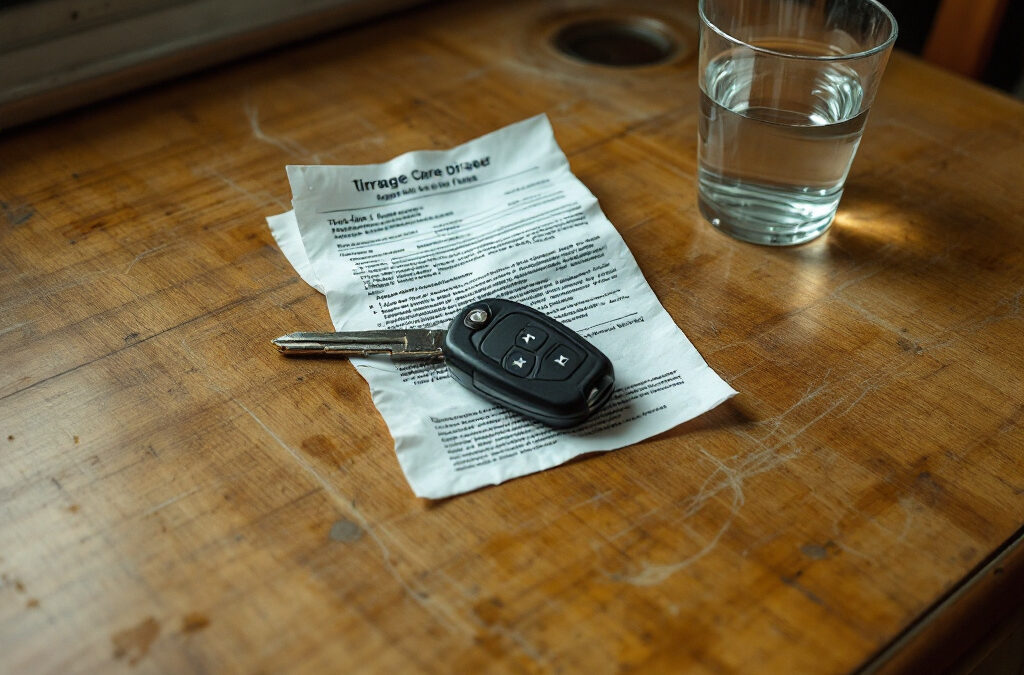

A headache that shows up after a car accident is one of the most common things we hear about, and it often starts a day or two after the crash, not right away. That delay is normal. It usually points to the neck or to a mild head injury, and a simple exam can tell the two apart. If you’ve got one, it’s worth getting checked.
Here’s what we’re hearing from people after a wreck: “I felt fine when I left the scene, and now my head won’t quit.” You’re not imagining it, and you’re not overreacting by wondering what changed. Let’s walk through what’s going on, when it’s an emergency, and where a chiropractor fits. If you want the short version of who we are, we’re an auto accident chiropractor in Clermont, serving Clermont, Minneola, and Groveland.
Why headaches show up after a crash, sometimes days later
Headaches are among the most reported symptoms after a motor vehicle accident, and they often appear 24 to 72 hours later rather than at the scene. The delay doesn’t mean nothing happened. It means your body is catching up to what did.
Right after impact, your body floods with adrenaline. That stress response can dull pain signals for hours, which is why people walk away from a crash saying they feel okay. According to Mayo Clinic, whiplash symptoms including headache often develop within the first few days after injury.
So a headache that arrives on day two is your neck or your head finally getting a word in. That’s the moment to pay attention, calmly. You don’t need to panic. You do need to know what you’re dealing with.
Two main sources: your neck versus your head itself
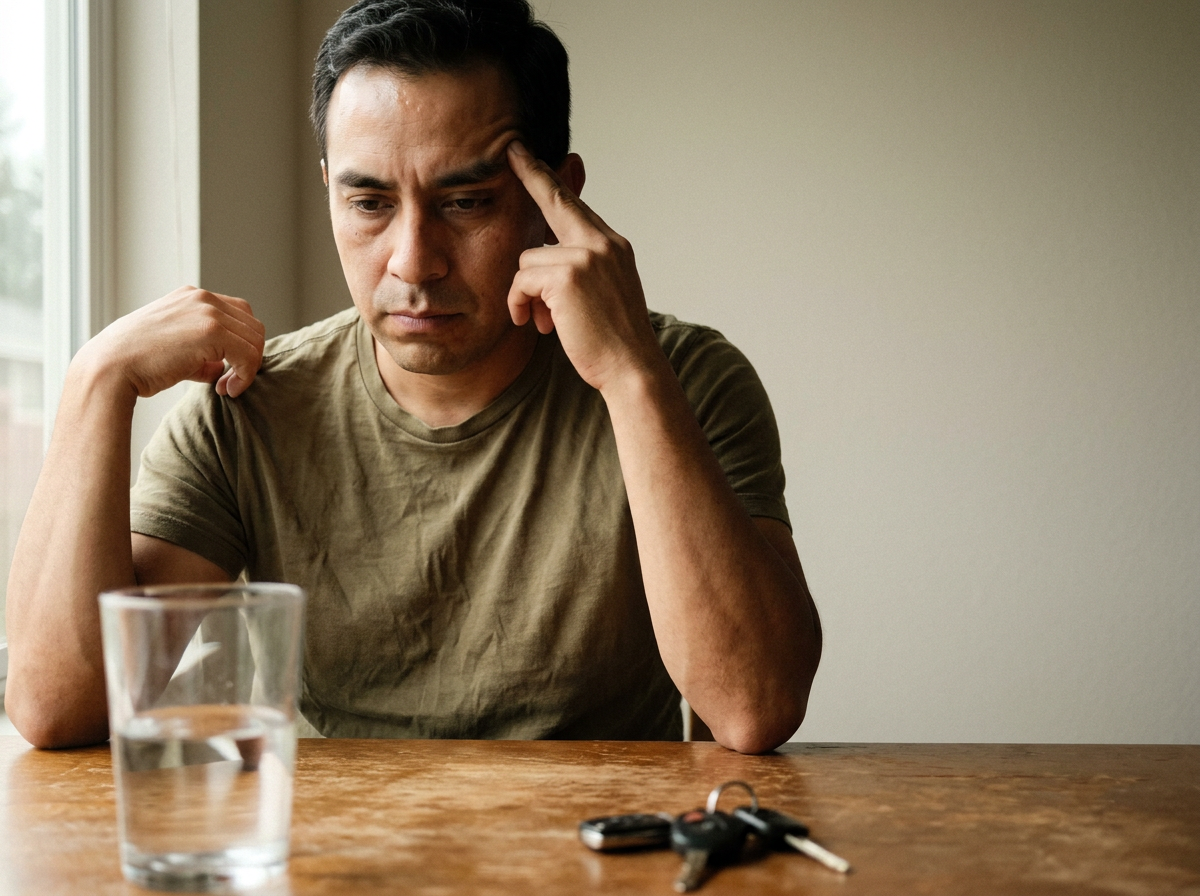
Most post-crash headaches come from one of two places: the neck or the head. A cervicogenic headache starts in the neck and refers pain up into the skull. A concussion-related headache comes from the brain itself being jostled inside the skull. They can feel similar, and they can happen together.
A cervicogenic headache (“cervico” meaning neck) comes from irritated joints, muscles, and nerves in the upper part of your spine. The pain travels up into the forehead, the back of the head, or behind the eyes. The neck is the source. The head is where you feel it. This type is common after whiplash.
A concussion-related headache comes from the brain moving inside the skull during impact. It often travels with other symptoms, which we cover in the next section. The source here is inside the head, not the neck.
These two can overlap. One crash can strain your neck and cause a mild head injury at the same time. Telling them apart is exactly what an exam is for, so please don’t try to sort it out yourself. Chiropractic evaluation is well-suited to the neck-origin kind. Concussion assessment looks for a wider set of signs that guide where your care should go.
Signs that mean go to the emergency room first
Some headaches after a crash need emergency care right away, before any chiropractic visit. This is real urgency, not a scare tactic. A small number of post-accident headaches signal something serious happening in the brain, and those need a hospital.
Call 911 or go to the nearest ER if you have any of these:
- A sudden, severe headache you’d describe as the worst of your life
- Headache with confusion, slurred speech, or weakness on one side of the body
- Any loss of consciousness, even brief
- A headache that rapidly gets worse over minutes to hours
- Vision changes, unequal pupils, or trouble staying awake
The CDC lists these kinds of danger signs for head injury and advises immediate emergency evaluation when they appear. If any of them are present, don’t wait for a chiropractic appointment. Go.
This is outside what a chiropractor handles, and we’ll say so plainly. Pointing you to the ER when that’s the right first step is part of being honest with you. Most headaches aren’t this. For the common picture, a headache that lingers but comes with none of those red flags, keep reading.
What an exam actually looks at, and what we’re trying to find out
A chiropractic exam for a post-accident headache checks your neck’s movement, the muscles and joints in your upper spine, and your basic neurological function. The goal is to find the source of the headache, so you know whether it’s coming from your neck or whether something points elsewhere.
Here’s what to expect when you come in:
- Range of motion. We look at how your neck moves and where it catches or hurts.
- Palpation. We feel along the upper cervical spine and the muscles around it for tenderness and tension.
- Neurological screening. Reflexes, sensation, and coordination, to check for signs that point beyond the neck.
- Your story. When the headache started, where it sits, and what makes it better or worse.
That conversation matters as much as the hands-on part. We’re trying to answer one question: is this pain being referred from your neck, or are there signs of a concussion or something that needs a different specialist?
If the exam turns up something outside what we do, we refer you, to a neurologist, your primary care doctor, or back to the ER if it’s warranted. We won’t hedge on that. And we won’t promise a diagnosis before we’ve looked. The exam shows what’s there.
The 14-day window and why it matters for your PIP coverage
In Florida, to use your personal injury protection (PIP) insurance, you must be seen by a provider within 14 days of your accident. That’s the rule. Miss the window, and you can lose access to that coverage for your crash-related care.
The deadline is about being seen by a provider, not about filing a report. A headache that’s dragged on for a week or more is a good reason not to let that clock run out.
Florida PIP covers 80% of reasonable medical expenses up to $10,000. We bill your PIP insurance directly, and we’ll explain any balance before your care starts, so there are no surprises. This is just the timeline you’re working with. We mention it because it’s true and relevant, not to rush you.

What happens if you wait and hope it goes away
Waiting to see if a headache clears on its own is a reasonable instinct, and plenty of mild ones do settle. The concern is the ones that don’t. Untreated neck-origin headaches can turn chronic when the joint and muscle problem driving them never gets addressed.
Here’s what we see happen. A cervicogenic headache that keeps getting fed by a stiff, irritated neck can stick around for months instead of weeks. The National Institute of Neurological Disorders and Stroke notes that headaches linked to an underlying problem are best managed by treating the cause.
Concussion symptoms that hang on past a few weeks also deserve a look. The brain usually settles with time, and sometimes it needs structured support to get there.
None of this is “come in now or you’ll be ruined.” It’s not like that. Even if your headache does fade on its own, getting it checked means you know what caused it. You’re not left guessing. That peace of mind is worth something on its own.
What to tell us when you come in
When you come in, the most useful thing you can do is describe your headache clearly. Note when it started relative to the crash, where you feel it, what makes it worse, and any other symptoms that came along with it. That detail helps us find the source faster.
A few things worth jotting down before your visit:
- When the headache first showed up after the accident
- Where it sits, forehead, behind the eyes, base of the skull, or all over
- What sets it off or makes it worse, like looking down, screen time, or moving your neck
- Anything else that came with it, such as dizziness, nausea, or trouble concentrating
Your visit happens in English or Spanish, whichever you’re more comfortable with. Come in, tell us what’s going on, and we’ll walk through it one step at a time. We’ll be honest about what we find, including if it points somewhere outside what we do.
And the billing part, so it’s not hanging over you: we bill your PIP insurance directly and explain any balance before your care starts. If you want to tell us what happened, message us and we’ll take it from there. We’re here to help.
Key takeaways
- Headaches after a car accident often start 24 to 72 hours later, because adrenaline can mask pain at the scene.
- Most come from the neck (cervicogenic) or a mild head injury (concussion), and the two can happen together.
- Some headaches are emergencies. Worst-ever pain, confusion, slurred speech, one-sided weakness, lost consciousness, or fast-worsening pain means call 911 or go to the ER.
- A chiropractic exam checks neck movement, muscles, and basic neurological function to find the source and flag anything that needs another specialist.
- In Florida, you must be seen by a provider within 14 days of the crash to use PIP, which covers 80% of reasonable medical expenses up to $10,000.
- We bill PIP directly and explain any balance before care starts, in English or Spanish.
Frequently asked questions
Is a headache after a car accident serious?
A headache after a car accident is usually linked to the neck or a mild head injury, and most are not dangerous. Some are. Sudden worst-ever pain, confusion, slurred speech, one-sided weakness, or loss of consciousness means you need emergency care right away. A lingering headache with none of those signs is worth getting checked calmly, not panicking over.
Why did my headache start days after the accident?
Delayed headaches are common because your body’s adrenaline response can mask pain for hours after a crash. Once that wears off, your neck or head starts signaling what was injured. Whiplash symptoms often develop within the first few days, according to Mayo Clinic. A headache on day two or three doesn’t mean nothing happened. It means it’s time to get looked at.
Can a chiropractor help with a headache after a crash?
A chiropractor can evaluate and treat neck-origin (cervicogenic) headaches, which are common after whiplash. The exam checks neck movement, muscles, and neurological function to find the source. If the signs point to a concussion or something outside chiropractic scope, we refer you to a neurologist, your primary care doctor, or the ER. We’re honest about what we can and can’t treat.
How long do I have to see someone to use my PIP insurance?
In Florida, you must be seen by a provider within 14 days of your accident to use your personal injury protection (PIP) coverage. PIP covers 80% of reasonable medical expenses up to $10,000. If you’ve had a headache since your crash, don’t let that window close. We bill PIP directly and explain any balance before your care starts.
Should I go to the ER or a chiropractor for my headache?
Go to the ER first if you have red-flag symptoms: worst-ever headache, confusion, slurred speech, one-sided weakness, lost consciousness, fast-worsening pain, or vision changes. For a persistent headache without those signs, a chiropractic exam can find whether your neck is the source. If we see something that needs the ER or a specialist, we’ll tell you plainly and point you there.
If you’ve been in a crash around Clermont, Minneola, Groveland, or Winter Garden and a headache won’t let up, come in and tell us what’s going on. We’ll walk through it with you, in English or Spanish, and be straight about what we find.
This article is for general information and is not medical advice. If you have a medical emergency, call 911.