Chiropractic Care After a Car Accident: What to Expect and Where to Start
Chiropractic care after a car accident treats the soft-tissue injuries a crash leaves behind, including whiplash, neck and back strain, and headaches. In Florida, seeking care within 14 days keeps your PIP coverage in play. Early evaluation gives you an accurate picture of what actually happened to your body.
Here’s what this article covers: why you can feel fine and still be hurt, what chiropractic care does and doesn’t do, how Florida’s PIP timeline works, what your first visit looks like, and where to start if you’re in the Clermont area. Dr. JP Silvera and the team at Taylor-Made Health & Wellness see accident patients every week, in English and Spanish.
A note before we go further: this is general information, not medical or legal advice for your specific situation. For that, come in and let us look at what’s going on with you.
Why you might feel fine right after a crash — and why that changes
You can feel fine at the scene of a crash and start hurting two or three days later. That’s not unusual, and it’s not you imagining things. Adrenaline and inflammation follow their own timeline. Whiplash symptoms often surface 24 to 72 hours after impact, sometimes longer.
Here’s what we hear most often: “I felt okay when the police came, so I didn’t think anything was wrong.” We understand that, and it makes sense. In the moment, your body floods with adrenaline, which masks pain. That’s a survival response, not a sign you’re uninjured.
Then the adrenaline drains off. Inflammation sets in around the strained muscles and ligaments. That’s usually when the stiffness, the headaches, and the neck pain show up. According to the American Chiropractic Association, whiplash injuries frequently produce delayed symptoms, which is exactly why early evaluation matters.
Getting checked early doesn’t mean something has gone wrong. It means you get a clear starting point, calmly, so you know where you stand.
What injuries chiropractic care actually addresses after an accident
Chiropractic care after a car accident addresses musculoskeletal soft-tissue injuries: whiplash, cervical strain, neck and upper back pain, lower back pain, and headaches that come from that soft-tissue damage. These are the injuries a crash produces most often, and they respond well to conservative care.
Whiplash is a strain of the muscles and ligaments in your neck, caused by the fast back-and-forth motion your head goes through in a collision. Cervical strain is the same idea, higher up. Lower back pain after a crash usually traces to the muscles and discs absorbing the force of impact.
We’ll be honest about the edges of this. Concussion and mild traumatic brain injury are things we evaluate and co-manage, not treat in isolation. If your case calls for imaging, a neurologist, or an orthopedic surgeon, we say so and help you get there.
That’s the whole point of this section. We’ll tell you what we find, and we’ll tell you if what you have is outside what we do. According to the Mayo Clinic, most whiplash cases improve with conservative treatment, but some need a broader look.
Florida’s PIP window: the timeline that actually matters for your care
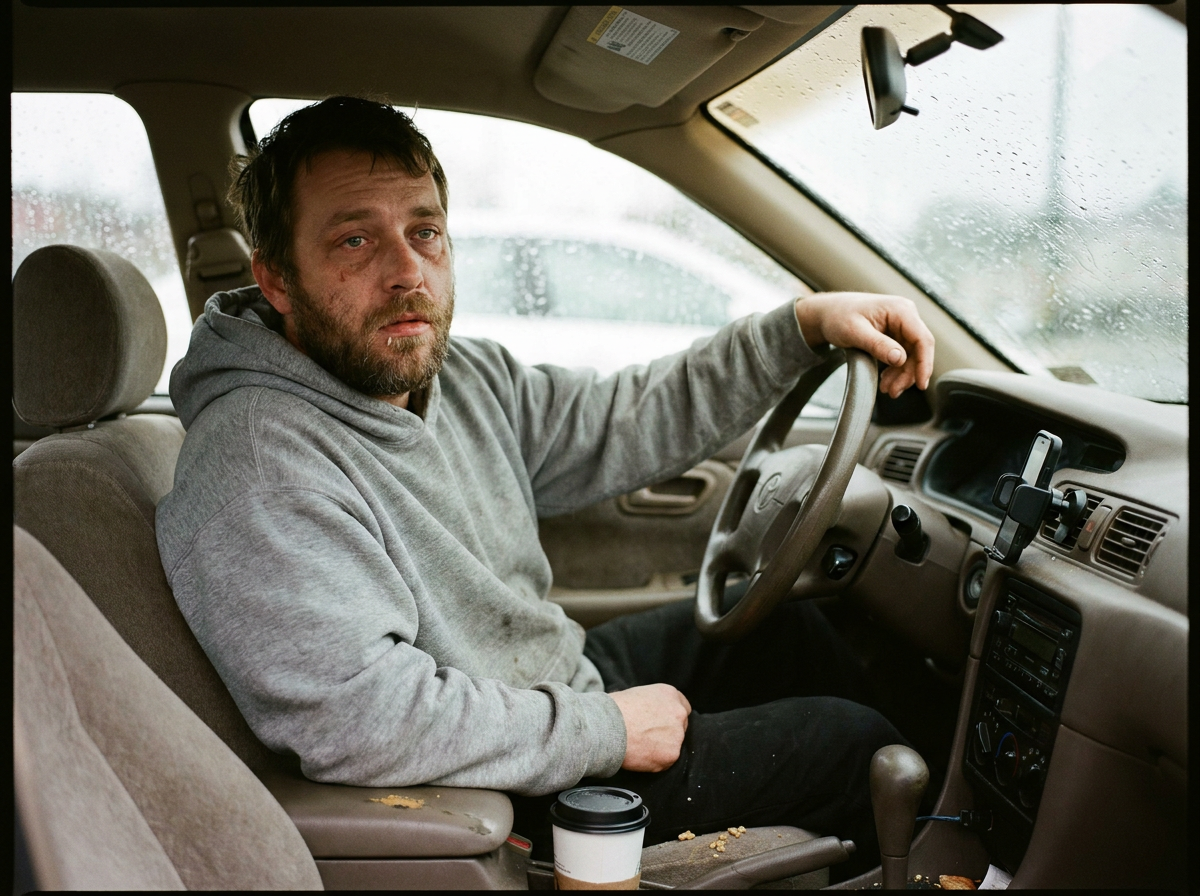
Florida’s no-fault law generally requires you to seek medical care within 14 days of a car accident for your Personal Injury Protection (PIP) coverage to apply to that treatment. Miss the window, and PIP may not cover care for that crash. This is a practical fact, not a scare tactic.
Why does the deadline exist? Florida’s PIP system was built to get injured drivers into care quickly and cut down on delayed claims. The Florida Department of Highway Safety and Motor Vehicles lays out the no-fault requirements for drivers. The 14-day rule is the piece that catches people off guard, usually the “I feel fine” people from the first section.
One caveat worth knowing. Florida’s no-fault system has been under legislative review, including bills like HB 1181 that would change how recovery works. The details may shift. But the underlying advice holds either way: document your injury early. An accurate injury picture leads to the right treatment plan, whatever the coverage structure looks like.
We state the timeline, explain why it’s there, and let you decide. No pressure.
What your first visit looks like — step by step
Your first visit is about understanding what happened to your body, not about committing to a long treatment plan before you know what you need. You come in, we listen, we evaluate, and we walk you through what we find. That’s it for day one.
Here’s the actual sequence:
- Intake. You tell us what happened and how you’re feeling. We ask about the crash, your symptoms, and your history.
- Evaluation. We check range of motion, look for tenderness and muscle guarding, and assess your neck and back. If we see anything that needs imaging, we tell you.
- Explanation. We explain what we found in plain words, and what we’d suggest as a next step.
On the paperwork: we handle PIP and insurance billing. You won’t get a surprise bill for covered care. Our job is to carry the administrative weight so you can focus on how you feel.
We make room for people who just had an accident, so same-day and walk-in visits are usually possible. And you can be seen in English or Spanish, whichever you’re more comfortable with.

What we can help with — and what falls outside our scope
Chiropractic care at this practice addresses musculoskeletal soft-tissue injuries from auto accidents. We evaluate and co-manage concussion presentations. We refer out for imaging, neurology, or orthopedics when the picture calls for it. That line matters more than any promise we could make.
Here’s the honest breakdown:
| We treat directly | We evaluate and co-manage | We refer out |
|—|—|—|
| Whiplash, cervical strain | Concussion / mild TBI presentations | Fractures needing surgical care |
| Neck and upper back pain | Headaches from soft-tissue injury | Nerve damage needing neurology |
| Lower back pain and strain | Post-accident stiffness and reduced motion | Anything needing advanced imaging |
If what you have needs a different kind of specialist, we’ll tell you clearly and help you get there. We’re not going to keep you in a chair that won’t help you. Naming the limits is how you know the rest of what we say is true.
According to Johns Hopkins Medicine, some accident injuries require imaging and specialist care beyond conservative treatment, which is exactly why an honest evaluation comes first.
How chiropractic treatment for auto injuries actually works
Chiropractic treatment for auto injuries usually combines spinal manipulation, soft-tissue work, and rehabilitative exercises. Manipulation restores movement to joints that have stiffened up. Soft-tissue work eases the strained muscles. The exercises rebuild the strength and range you lost.
Let me show the thinking here. A crash forces your neck and spine through motion they never chose. The muscles clamp down to protect the area. That guarding, left alone, turns into stiffness and the compensation patterns your body builds around the pain. So we work in that order: calm the inflammation, restore the motion, then rebuild the support.
From our experience, this is what tends to work best for crash injuries. Notice the “tends to.” We’re not going to tell you this will fix you, because no honest doctor can promise that about an injury we haven’t seen yet.
On frequency and duration: it varies. A mild strain might mean a handful of visits. A more involved whiplash case can run several weeks. The honest factors are how bad the injury is, how long before you got checked, and how your body responds as we go. We’ll tell you what we’re seeing and adjust with you, at your own pace.
Questions patients ask us most — answered plainly
I feel okay, do I really need to get checked? It’s worth it. Whiplash and soft-tissue injuries often show up days after the crash, once the adrenaline wears off and inflammation sets in. Getting checked early gives you a clear baseline, and it keeps your Florida PIP timeline intact. If we find nothing, that’s good news you can trust.
Who pays for it? Will I get a bill? If you’re within the 14-day PIP window and your injury is documented, PIP generally covers your care, and we handle the paperwork. If you’re outside the window or coverage doesn’t apply to your situation, we’ll tell you that upfront and walk through the options. No surprise bills.
How many visits, and how long? It depends on the injury, but we’ll be straight with you. A minor strain might take a few visits. A more serious whiplash case can run several weeks. We work at your pace and explain each step, and we don’t stretch treatment past what your body needs.
I’m not sure I trust chiropractic. Fair. Here’s how we earn it: we treat what’s actually there, we document honestly, and we tell you plainly when something is outside what we do. If a specialist would serve you better, that’s what we’ll say. Truth is the whole approach.
Serving Clermont, Minneola, Groveland, and surrounding Lake County
Taylor-Made Health & Wellness serves accident patients across Clermont, Minneola, Groveland, and west Orange County. If you live or were in a crash in this part of Lake County, you’re close enough for us to see you quickly, often the same day.
We treat patients in English and Spanish. About half the people we see are Spanish-first, and they’re not handed a translated script. Dr. JP and the team speak with you directly, in the language you’re most comfortable with, at a pace that doesn’t rush you.
Being local matters after a crash. You don’t want a long drive when your neck is stiff and your week is already upended. We’re set up to make room for people who just had an accident, so you’re not waiting days to be seen.
The specifics carry the weight here. Close, bilingual, and unhurried. That’s what we offer, and it’s what our patients tell us they remember.
Key takeaways
- You can feel fine after a crash and start hurting 24 to 72 hours later. Delayed whiplash symptoms are common, not imaginary.
- Chiropractic care addresses soft-tissue injuries: whiplash, neck and back strain, and headaches from those injuries.
- Concussion and TBI are evaluated and co-managed. We refer out for imaging, neurology, or orthopedics when needed.
- Florida generally requires you to seek care within 14 days of the crash for PIP to cover that treatment.
- The first visit is about understanding your injury, not committing to a plan. We handle the PIP paperwork.
- We treat patients in English and Spanish across Clermont, Minneola, Groveland, and west Orange County.
Frequently asked questions
How long after a car accident should I see a chiropractor?
As soon as you reasonably can, and within 14 days if you’re in Florida. That window keeps your PIP coverage in play. Even if you feel fine, an early check gives you a clear baseline, since whiplash and soft-tissue injuries often show up two or three days after the crash once inflammation sets in.
Can I see a chiropractor the same day as my accident?
Often, yes. Same-day and walk-in visits are usually possible for people who’ve just been in a crash, because we make room for them. Call or message us and tell us what happened. If we need to see you right away, we’ll fit you in and start with a plain evaluation of how you’re feeling.
Does PIP cover chiropractic care in Florida?
Generally, yes, if you seek care within 14 days of the accident and your injury is documented. Florida’s no-fault PIP coverage is designed to pay for medically necessary treatment after a crash. We handle the billing and paperwork. If your coverage doesn’t apply, we’ll tell you upfront and explain your options.
What if my pain is from a concussion, not my neck?
We eva