
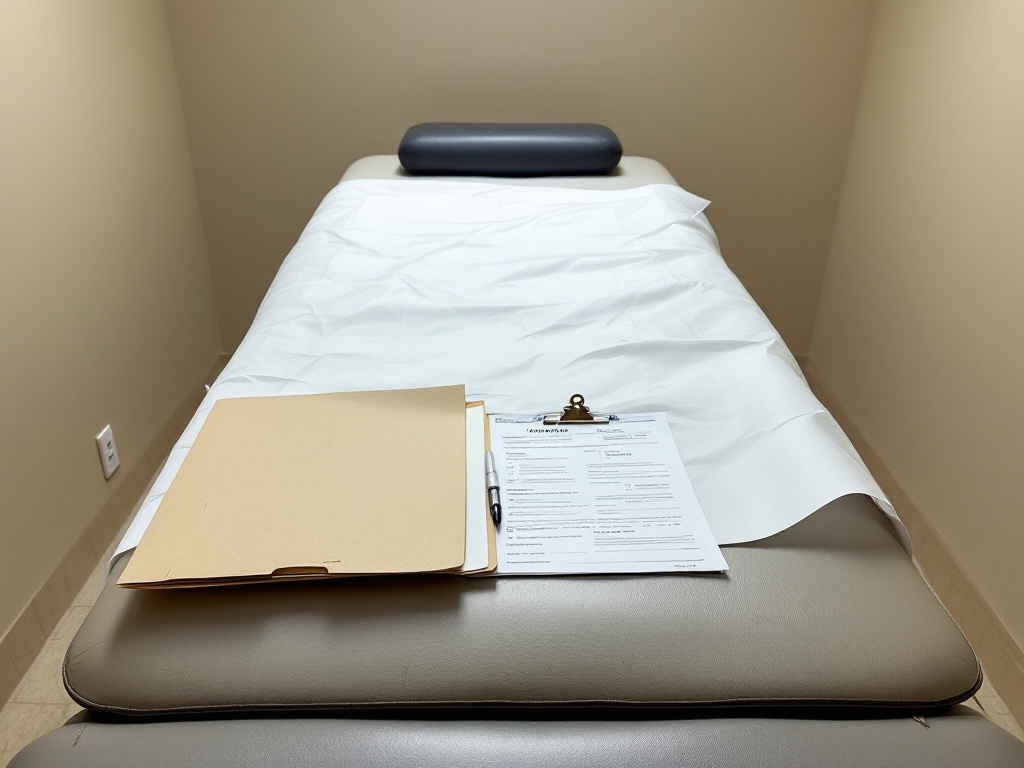
Chiropractic Care After a Car Accident: What to Expect and When to Come In
Hurt in a car accident, or not sure yet? Here’s the short version: chiropractic care after a car accident helps assess and treat soft-tissue injuries like whiplash, neck pain, and back pain, often before those injuries fully show themselves. You can feel fine the day of a crash and start hurting days later. This guide walks you through what happens to your body, what a first visit looks like, who pays, and how soon you can be seen. In plain words, in English or Spanish.
Dr. JP Silvera treats auto-injury patients in Clermont, Florida. The approach here is simple: we tell you the truth about what we find, and we handle the paperwork so you don’t have to.
You might feel fine right now, and that matters
If you walked away from a crash feeling okay, that’s normal, and it doesn’t mean you’re in the clear. After a collision, your body floods with adrenaline and endorphins. Those chemicals can mask pain for 24 to 72 hours, sometimes longer. The Mayo Clinic notes that whiplash symptoms often appear a day or more after the injury, not right away.
Here’s what tends to show up late:
- Neck stiffness or tightness
- Headaches
- Shoulder and upper back soreness
- Lower back ache
- Trouble concentrating or foggy thinking
In Florida, personal injury protection (PIP) requires you to seek medical care within 14 days of the accident to keep that coverage available. That’s a practical deadline, not a scare tactic. (Note: Florida’s no-fault rules have been under legislative review; if PIP has changed by the time you read this, the reason to get checked stays the same.)
Think of a first visit as information-gathering. You come in, we tell you what we find, and you decide what comes next. No commitment. No promises about how fast you’ll feel better, because we won’t know that until we look.
What actually happens to the body in a car accident
Whiplash is the rapid back-and-forth snap of your head during impact. That sudden motion strains the muscles, ligaments, and soft tissue in your cervical spine, the part of the spine in your neck. Your seatbelt holds your torso still while your head keeps moving. That’s where the strain comes from.
Whiplash isn’t the only pattern. A crash can also cause:
- Lower back strain from the compression forces of the seat and belt
- Shoulder injuries where the belt crosses your body
- Headaches that start in the neck, called cervicogenic headaches
- Concussion or post-concussion symptoms from the head being jolted
Here’s the part people find hard to believe: low-speed crashes can still hurt you. A fender-bender that leaves barely a scratch on the bumper can still transfer enough force to your neck and spine to cause a real soft-tissue injury. The car absorbs some of the impact, but your body absorbs the rest. According to Johns Hopkins Medicine, whiplash can happen at speeds as low as 5 to 10 miles per hour.
This is biology, not a warning of permanent damage. Most soft-tissue injuries respond well to care. The point is to know what you’re dealing with.
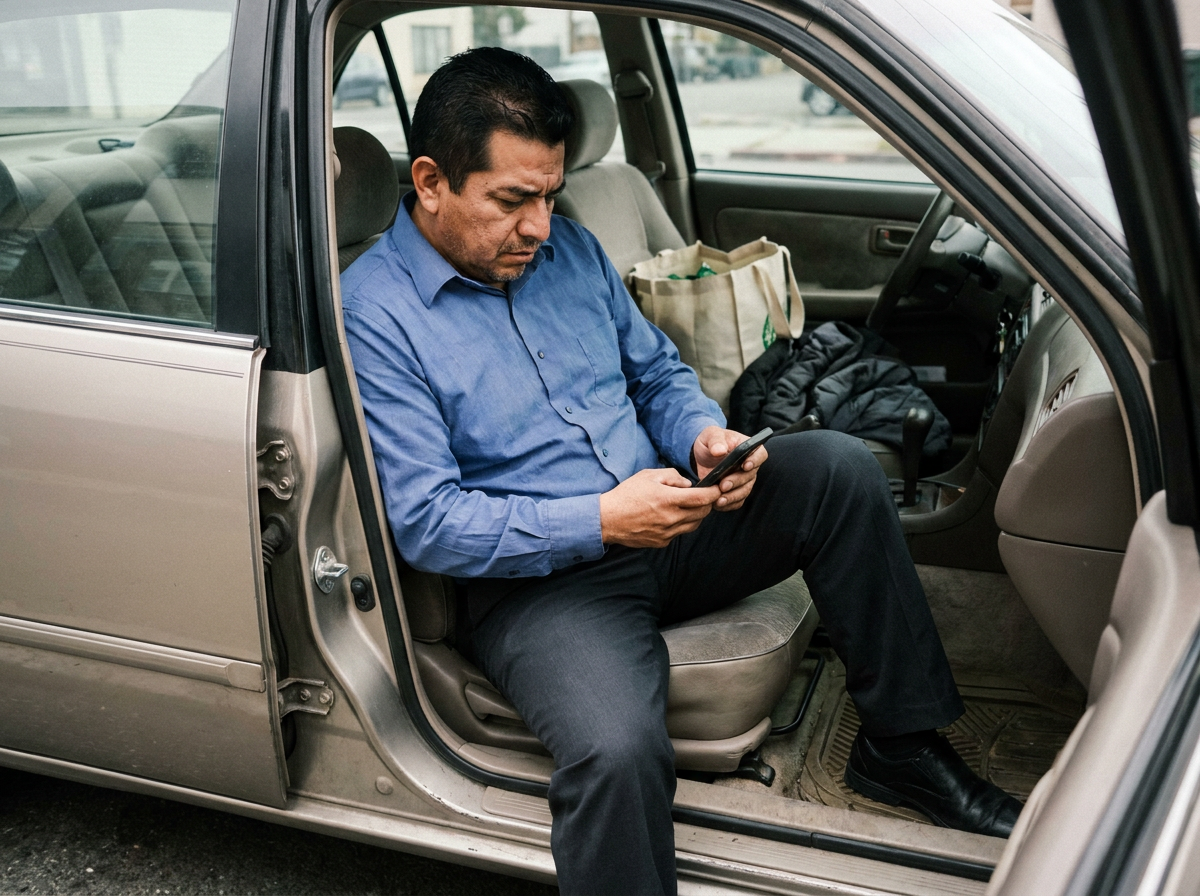
What a chiropractic evaluation looks like at our office
Most people have never been to a chiropractor after a crash, and that unknown makes them nervous. Fair enough. So here’s exactly what a first visit involves.
We start by talking. How you feel, where it hurts, how the accident happened. That conversation matters because the mechanism of the crash tells us where to look. Then we do a physical exam. We check your range of motion, feel for areas of tenderness, look for neurological signs, and note any postural changes that line up with the type of impact you described.
If we think you need imaging, we’ll say so and explain why. X-rays or an MRI referral aren’t automatic. We order them when the exam gives us a reason to.
The visit ends with a clear picture of what we found and an honest conversation about whether chiropractic care fits that picture. Sometimes it does. Sometimes it doesn’t.
And if what you’re dealing with is outside what chiropractic can help, we’ll tell you that too, and point you to the right specialist. Naming our limits is part of the job. The American Chiropractic Association describes chiropractic as focused on the musculoskeletal and nervous systems, which is a real scope with real edges.
Common conditions we treat after auto accidents
The injuries we see most after car accidents fall into a handful of patterns. Here’s what they are and how we approach each one.
Whiplash and cervical strain. The most common by far. We work on restoring motion to the neck and reducing the muscle guarding that comes with the injury. Care usually starts gentle and adjusts as you heal.
Lower back and lumbar strain. The second most common presentation. Similar approach: reduce inflammation early, restore movement, build back function at your pace.
Cervicogenic and post-concussion headaches. Some headaches after a crash come from the neck. Others come from the head being jolted. We assess which is which, because the plan differs. That distinction matters.
Mild traumatic brain injury and post-concussion symptoms. This one needs honesty. Concussion assessment and management often involve care beyond chiropractic scope. We screen for it, and if what we see points to a concussion, we coordinate with the right provider. We won’t pretend it’s ours to handle alone.
Shoulder and upper back tension. Often tied to how the seatbelt held you during impact. We treat the surrounding muscle and joint patterns.
We don’t offer cure language or fixed timelines as promises. From experience, this is what tends to work best, and we explain our reasoning as we go.

Who pays, and how does billing work
Most people want to know one thing before anything else: will I get a bill? For an auto accident in Florida, the answer usually starts with PIP.
Personal injury protection is the primary payer for medical treatment after a car accident, regardless of who caused it, up to your policy limit. Florida drivers carry a minimum of $10,000 in PIP coverage, according to the Florida Department of Highway Safety and Motor Vehicles. That coverage is meant for exactly this situation.
Here’s the practical part: we handle the insurance paperwork and billing on your behalf. You focus on getting better. That’s the deal.
If your PIP is exhausted, or you’re outside the window and working with an attorney, there’s often a letter of protection (LOP) option. That lets treatment continue while the claim is worked out. We’ll walk you through whether it applies to you.
And if you’re outside the coverage window with no applicable insurance, we’ll talk through your options directly and honestly. No surprises.
Every billing question can be answered in English or Spanish. Roughly half of our patients are Spanish-first, and someone on our team can walk you through any of this in the language you’re most comfortable with.
How many visits will I need
Honest answer: it depends on the injury, and we won’t know until after the evaluation. Anyone who quotes you a visit count before examining you is guessing.
After your first visit, we can give you a realistic picture of what a care plan looks like for what we actually found. Not a sales pitch. A plan.
Post-accident chiropractic care usually follows a general shape. Visits are more frequent early on, when inflammation and pain are highest. As you recover, they space out. The National Institute of Neurological Disorders and Stroke notes that most acute soft-tissue back pain improves over weeks with conservative care, though recovery varies person to person.
We never quote a fixed number as a promise. Care moves at your pace, and you can ask questions at every step.
We also know missed work and scheduling around a family are real problems, not small ones. We’ll work with your schedule instead of forcing you into ours.
A note for attorneys and case managers
For the PI attorneys and case managers vetting this practice, here’s what we deliver, stated plainly.
We produce thorough documentation: clean narrative reports with clear causation language and defensible, right-sized treatment plans. We treat what we find, we document it accurately, and we’re honest about what falls outside our scope. No over-treating, no under-treating.
We know the case manager runs the day-to-day. So we communicate proactively on record status and flag anything that affects the case timeline before it becomes a problem for you.
Our bilingual capability is an operational advantage, not a footnote. About half our patients are Spanish-first, and we serve them natively, in their own language, not through a translated script. That keeps your Spanish-speaking clients compliant and comfortable.
That’s the whole approach. If you’d like to talk through how we work with your firm, reach out directly for a professional conversation. No pitch.
Key takeaways
- You can feel fine after a crash and still be injured. Adrenaline masks whiplash pain for 24 to 72 hours or more.
- Florida PIP requires medical care within 14 days of the accident to keep coverage available. Check current rules, as Florida’s no-fault laws have been under review.
- Low-speed crashes can still cause real soft-tissue injury, even with little visible car damage.
- A first visit is information-gathering: a conversation, an exam, and an honest report of what we found.
- PIP is the primary payer in Florida, up to your policy limit. We handle the insurance paperwork for you.
- Visit counts depend on the injury. We give a realistic plan only after we’ve examined you.
- We serve patients in English and Spanish, and we’re honest about what’s outside our scope.

Frequently asked questions
How long after a car accident should I see a chiropractor?
Sooner is better, both for your body and for your coverage. Florida PIP generally requires medical care within 14 days of the accident. Beyond the deadline, getting checked early helps catch delayed-onset injuries like whiplash before they worsen. If you feel fine, a calm check-up still tells you where you stand.
Can I have whiplash if my car barely got damaged?
Yes. Whiplash can occur at speeds as low as 5 to 10 miles per hour, per Johns Hopkins Medicine. The car may absorb some of the impact, but your neck and spine absorb the rest. Little visible vehicle damage doesn’t rule out a real soft-tissue injury.
Will I get a bill for chiropractic care after my accident?
In most Florida auto-accident cases, PIP is the primary payer up to your policy limit, and we handle the insurance paperwork on your behalf. If PIP is exhausted or you’re outside the window, options like a letter of protection may apply. We’ll walk you through your specific situation directly.
What if my injury is outside what a chiropractor can treat?
We’ll tell you plainly and point you to the right specialist. Some injuries, like a concussion, often need care beyond chiropractic scope. We screen for these and coordinate with the appropriate provider rather than pretending it’s ours to handle alone.
Do you have Spanish-speaking staff?
Yes. Roughly half of our patients are Spanish-first, and we serve them natively, not through a translated script. Any question about your injury, your visit, or your billing can be answered in English or Spanish, whichever you’re most comfortable with.
Come in when you’re ready
If you were recently in an accident, you don’t have to sort all of this out alone. Come in, tell us what you’re feeling, and we’ll walk you through it one step at a time. There’s no rush and no pressure.
Prefer Spanish? Estamos aquí para ayudarle. You can reach us on WhatsApp to chat with a real bilingual person about what happened and how you feel.
The door’s open when you are.
*This article is for general information and is