What Chiropractic Care Actually Looks Like After a Car Accident
You were in a car accident. Maybe yesterday, maybe last week. Now you’re trying to figure out whether you need to see anyone, who pays for it, and what the whole thing even involves. Here’s the short version: chiropractic care after a car accident is an evaluation and, if warranted, a treatment plan for the neck, back, and soft-tissue injuries a crash tends to cause. In Florida, personal injury protection (PIP) insurance usually covers it. This piece walks through what to expect, who pays, and what falls outside what a chiropractor can help with.
Dr. JP Silvera runs Taylor-Made Health & Wellness in Clermont, FL, and treats auto-injury patients every week. What follows is the plain-language version of how this care works, in English or Spanish.
This article is general information, not medical or legal advice. For a diagnosis, you need to be seen in person.
Why you might feel fine right now and still need to be checked
Feeling okay after a crash doesn’t mean nothing happened. Whiplash and other soft-tissue injuries often show up two to four days after the collision, not in the moment. So the absence of pain on day one is not a reliable sign that your body came through clean.
Here’s what I’m hearing from a lot of people who call: “I feel fine, do I really need to come in?” Fair question. Let me explain the thinking.
In a crash, your body floods with adrenaline. That masks pain. Inflammation from a soft-tissue injury also builds over hours and days, not seconds. According to the Cleveland Clinic, whiplash symptoms can be delayed and may include neck stiffness, headaches, and reduced range of motion that surface later.
So the point of getting checked isn’t fear. It’s information. You come in, we look, and you find out where you actually stand. If everything’s fine, that’s good news you get to hear out loud.
What a chiropractor actually looks for after an accident
A chiropractor after an auto accident looks for musculoskeletal injury: how far your neck and back can move, where the soft tissue is strained or guarding, and whether your nerves are sending normal signals. The evaluation also covers how the accident happened, because the direction and force of impact tell us a lot about what to check first.
The exam usually includes range-of-motion testing, hands-on soft-tissue assessment, a basic neurological screen, and questions about the collision itself.
From experience, this is what tends to come up most after an MVA:
- Whiplash (neck strain from the head snapping forward and back)
- Cervicogenic headaches (headaches that start in the neck)
- Lumbar strain (lower-back injury)
- Signs of concussion or mild TBI, which we screen for and flag
Now, the honest part. Chiropractic care addresses musculoskeletal injury. Some of what we find won’t be ours to treat, and when that happens, we tell you and point you to the right provider. The American Chiropractic Association describes chiropractic as a non-drug approach focused on the musculoskeletal system, which is exactly the lane we work in.
The evaluation is built to figure out what’s going on. It’s not built to promise a specific finding before we’ve looked.
How same-day and walk-in visits work after an accident
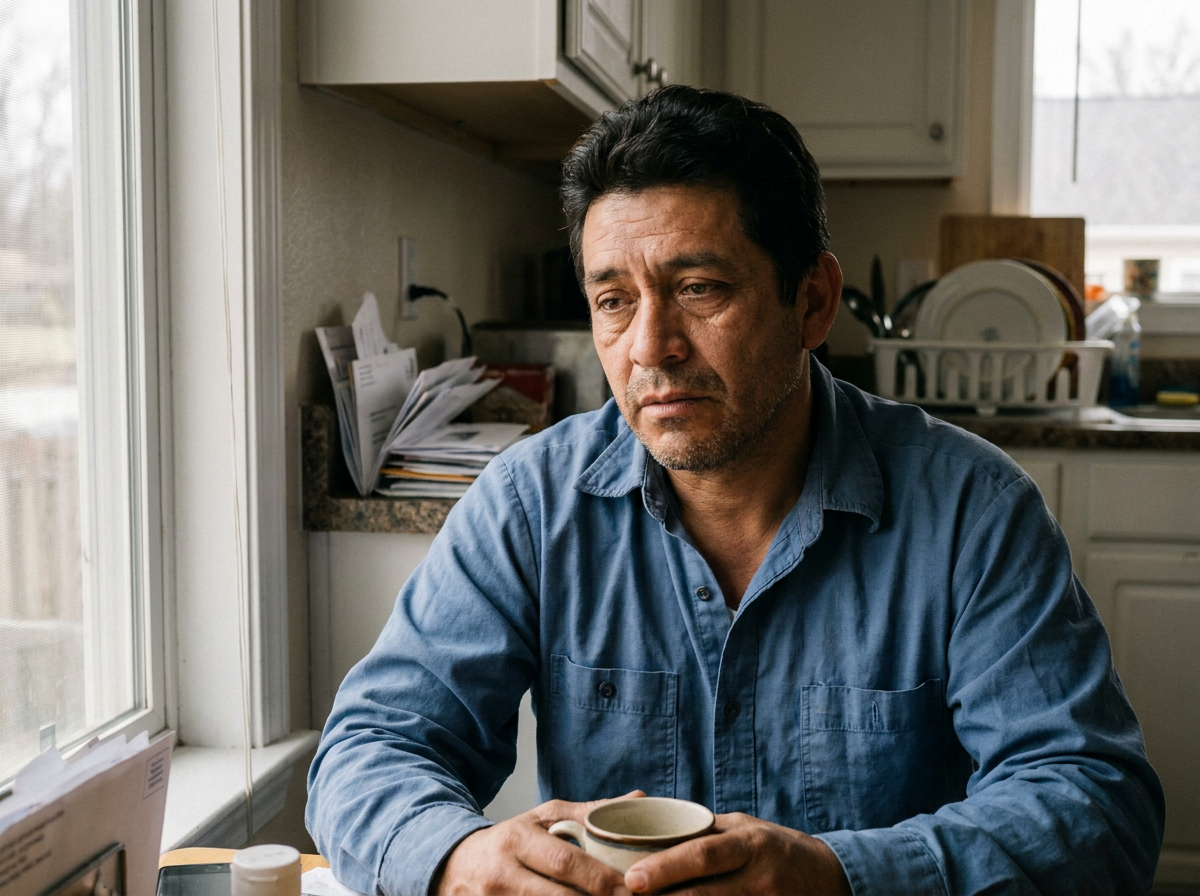
Same-day evaluation is available, and you don’t need to wait weeks to be seen. When you’re hurting after a crash, a first appointment three weeks out helps nobody. So the practical answer is: come in, often the same day, and we start with a look.
Here’s what the first visit covers:
- Intake, where you tell us what happened and how you’re feeling
- The assessment described above
- A plain-language explanation of what we found
- A proposed care plan, if one makes sense for your injury
That’s it for day one. You’re not signing up for months of anything before you understand your options. The first visit is about understanding the problem, not committing to a solution you can’t yet see.
Fast access is just a practical fact of how we run the clinic. It’s not a countdown clock, and nobody’s rushing you through the room once you’re in it.
Who pays for chiropractic treatment after a car accident in Florida
In Florida, personal injury protection (PIP) insurance usually pays for medical care after a car accident, no matter who caused it. PIP is part of standard Florida auto coverage and provides up to $10,000 in medical benefits. So for most attorney-referred and self-referred patients, chiropractic care after an accident comes with no out-of-pocket surprise.
Two things worth knowing.
First, the deadline. Florida law requires you to seek medical care within 14 days of the accident to keep your PIP benefits, per the Florida Department of Highway Safety and Motor Vehicles. That’s a real, practical window, not a scare tactic. If you’re inside it, you’re fine. If you’re near the edge, it’s worth knowing.
Second, the law may change. There’s ongoing debate in the Florida Legislature about repealing no-fault/PIP. If that happens, the 14-day rule shifts, but the practical step stays the same: document your injury so it’s on record to protect any claim against the at-fault driver. Getting checked still matters either way.
On the “will I get a bill” worry: we handle the insurance and the paperwork for you. Your job is to focus on healing. Ours is the administrative side. We don’t tie your care to any settlement, ever. Insurance covers the medical treatment, and that’s the whole frame.
What a typical course of chiropractic care looks like
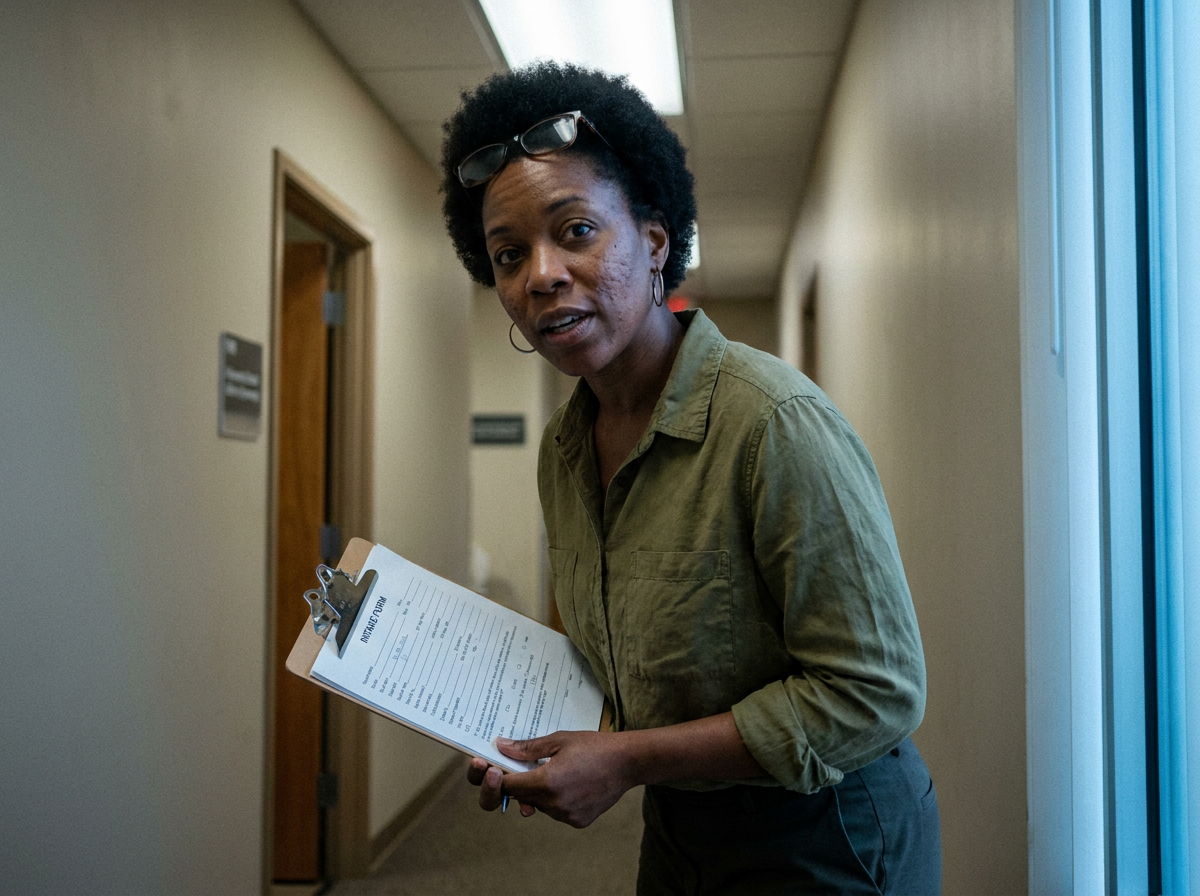
A typical course of care starts with the initial evaluation, then moves into more frequent visits in the early phase, and tapers as you respond. Early on, that might mean a couple of visits a week. The plan isn’t fixed. It adjusts based on how your body is actually doing.
I want to be straight about timelines: they vary. A mild neck strain and a significant whiplash injury don’t heal on the same schedule, and two people with similar injuries can respond differently. Anyone who promises you an exact number of weeks is guessing.
So how do you know it’s working? You track it. Less pain. More range of motion. Fewer headaches. Getting through a workday without your back locking up. Those are the practical markers you can feel, and we check them at each visit.
If something isn’t improving the way it should, or a new sign shows up, that’s a trigger to refer you out. We’d rather send you to the right person than keep treating something outside our lane. According to the Mayo Clinic, most whiplash improves with conservative care, though recovery time depends on the severity of the injury.
You’re part of this the whole way. We explain what we’re doing and why, and you tell us how you’re responding. It’s a back-and-forth, not something done to you.
Getting care in English or Spanish, whichever you prefer
You can go through this entire process in Spanish. The evaluation, the explanation of what we find, and the conversation about your care plan can all happen in your language. Not through a translated script read back to you, but with a real bilingual person.
About half of our patients are Spanish-first, so this isn’t an add-on. Entiendo su preocupación y quiero ayudarle a tratarla.
For Spanish-first patients, WhatsApp is the easiest way to reach us. You send a message, a real person answers, and you tell us what happened and how you’re feeling.
Why this matters for you: nothing gets lost in translation. You can ask every question you have, in the words you’d actually use, and understand the answer. When you’re hurt and worried about bills and work, the last thing you need is to nod along to something you didn’t fully catch.
What is outside the scope of chiropractic care after an accident
Chiropractic care does not treat everything a car accident can cause, and being honest about that is part of the job. Some injuries need a different provider, and the evaluation is partly built to catch them early so you get to the right place fast.
What a chiropractor refers out:
- Fractures or breaks visible on imaging
- Significant neurological deficits (like weakness, numbness that’s spreading, or loss of function)
- Signs of internal injury or bleeding
- Moderate-to-severe traumatic brain injury
These are emergencies or specialist cases, not chiropractic ones. The Centers for Disease Control and Prevention notes that a head injury after a crash should be evaluated for concussion, and more serious brain injury needs immediate medical attention.
So when we screen you and find something outside our scope, we tell you plainly and point you where you need to go. That’s not us admitting a weakness. That’s honest care doing its job. A clinic that claims it can fix anything is one you should be careful with.
Key takeaways
- Whiplash and soft-tissue injuries often show up 2 to 4 days after a crash, so feeling fine on day one doesn’t mean you’re uninjured.
- A chiropractic evaluation checks range of motion, soft tissue, and nerve function, and identifies what to refer out.
- Same-day evaluation is available, and the first visit is about understanding your injury, not committing to a long plan.
- Florida PIP insurance usually covers this care regardless of fault, with a 14-day window to seek treatment.
- Care length varies by injury, and honest care means referring out anything outside chiropractic scope.
- The full process is available in English or Spanish, with WhatsApp as an easy contact channel.

FAQ
How long after a car accident can I still see a chiropractor?
In Florida, you generally need to seek medical care within 14 days of the accident to keep your PIP benefits. You can see a chiropractor at any point, but staying inside that 14-day window protects your insurance coverage. If the law changes, documenting your injury early still helps protect a claim against the at-fault driver.
Will I get a bill for chiropractic care after my accident?
For most patients, Florida PIP insurance covers medical care after a car accident regardless of fault, up to $10,000 in benefits. The practice handles the insurance and paperwork for you. There’s no link between your care and any settlement. Insurance covers the treatment, and we manage the administrative side.
Do I need a chiropractor if I feel fine after the accident?
Feeling fine doesn’t rule out injury. Adrenaline and delayed inflammation can mask whiplash and soft-tissue damage for two to four days. A quick evaluation tells you where you stand. If everything checks out, you get that answer directly and don’t need to commit to anything.
What does a chiropractor check for after a car accident?
A chiropractor checks range of motion, soft-tissue strain, and basic nerve function, and reviews how the accident happened. Common findings include whiplash, cervicogenic headaches, and lumbar strain. The exam also screens for signs of concussion or serious injury that need a referral to another provider.
Can I get chiropractic care in Spanish in Clermont?
Yes. At Taylor-Made Health & Wellness, the evaluation, the explanation of findings, and the care plan conversation can all happen in Spanish with a real bilingual person. WhatsApp is an easy way for Spanish-first patients to reach the practice and ask questions before a first visit.
Before you decide
If you were recently in an accident, the honest next step is simple. Come in, tell us what happened, and we’ll walk you through what we find one step at a time. If we can help, we’ll show you how. If something’s outside what we do, we’ll tell you that too and point you to the right person. We handle the insurance paperwork so you can focus on healing.
In English or Spanish, whichever works for you. Spanish-first? Message us on WhatsApp and a real person will answer. We’re here to help.
This article is general information and not a substitute for a medical evaluation or legal advice.