

What to Do About Pain After a Car Accident — and What Happens When You Come In
You were in a car accident. Maybe yesterday, maybe last week. Right now you’re trying to figure out one thing: do you actually need to see someone, or will this pass on its own? Here’s the short answer. If you were in a crash, getting checked is worth it even when you feel okay, because some of the most common injuries after a wreck don’t show up right away. This page walks you through why that happens, what chiropractic care can and can’t do for it, what your first visit looks like, and how the insurance side gets handled so you don’t have to carry it.
A quick note before we start: this is general information, not medical or legal advice. Every accident and every body is different.
Why your body can feel fine right after a crash
Feeling okay right after a car accident is common, and it doesn’t mean nothing happened. It usually means the full picture hasn’t shown up yet. Adrenaline floods your system during and after a crash, which masks pain for hours. As that wears off and inflammation sets in, symptoms often surface 24 to 72 hours later. Sometimes longer.
Here’s what we hear a lot: “I walked away, the car doesn’t even look that bad, and I feel fine.” That’s one of the more confusing parts of this kind of injury. And it’s exactly why people wait.
The injury behind this pattern is whiplash, the rapid back-and-forth motion of the neck during impact. According to the Mayo Clinic, whiplash symptoms can take up to several days to appear after the injury.
Things to watch for in the days after a crash:
- Neck stiffness or reduced range of motion
- Headaches, often starting at the base of the skull
- Tightness across the shoulders
- Lower back pain
- Fatigue or trouble concentrating
None of this is a reason to panic. It’s a reason to get checked, calmly, so you know where you stand.

What chiropractic care actually addresses after an accident
Chiropractic care after a car accident focuses on musculoskeletal injuries, meaning the muscles, ligaments, and joints stressed by the force of impact. The goal is to assess what’s going on, support your body’s recovery, and restore the movement that got locked up in the crash. It’s not a cure-all, and it isn’t the right tool for every injury.
When a car stops fast and you don’t, the force travels through soft tissue. Ligaments get overstretched. Muscles tighten and guard the area to protect it. Joints in the spine get irritated and stop moving the way they should. That’s the injury pattern chiropractic is built to work with.
A chiropractic assessment looks at your range of motion, where the pain lives, and how your spine and surrounding tissue are moving. Treatment can help reduce muscular tension, restore motion, and support healing over time. The American Chiropractic Association describes chiropractic as a non-surgical approach to diagnosing and treating musculoskeletal conditions.
Now the honest part. Chiropractic treats musculoskeletal injury. If your assessment or imaging points to something outside that, a fracture, a nerve problem, an internal issue, that needs a different specialist, and we’ll tell you. Naming those limits isn’t a weakness. It’s how you know you’re getting the truth.
What your first visit looks like, from the moment you walk in
Your first visit is a conversation before it’s anything else. You come in, you tell us what happened and how you’re feeling, and we listen without rushing you. Then comes a physical assessment, an explanation of what we found in plain words, and a discussion of what a care plan might look like. No pressure to commit before you understand any of it.
Here’s the order of it:
- Intake conversation. You tell us about the accident and your symptoms. We ask questions and check whether there’s anything else on your mind.
- Physical assessment. We look at range of motion, pain points, and how you’re moving.
- Plain-language explanation. We walk you through what we found. If a term is unavoidable, we explain it in words that make sense.
- What comes next. We talk through whether a care plan makes sense and why.
You get the doctor’s full attention here, not a 10-minute slot on a conveyor belt. There’s no rush.
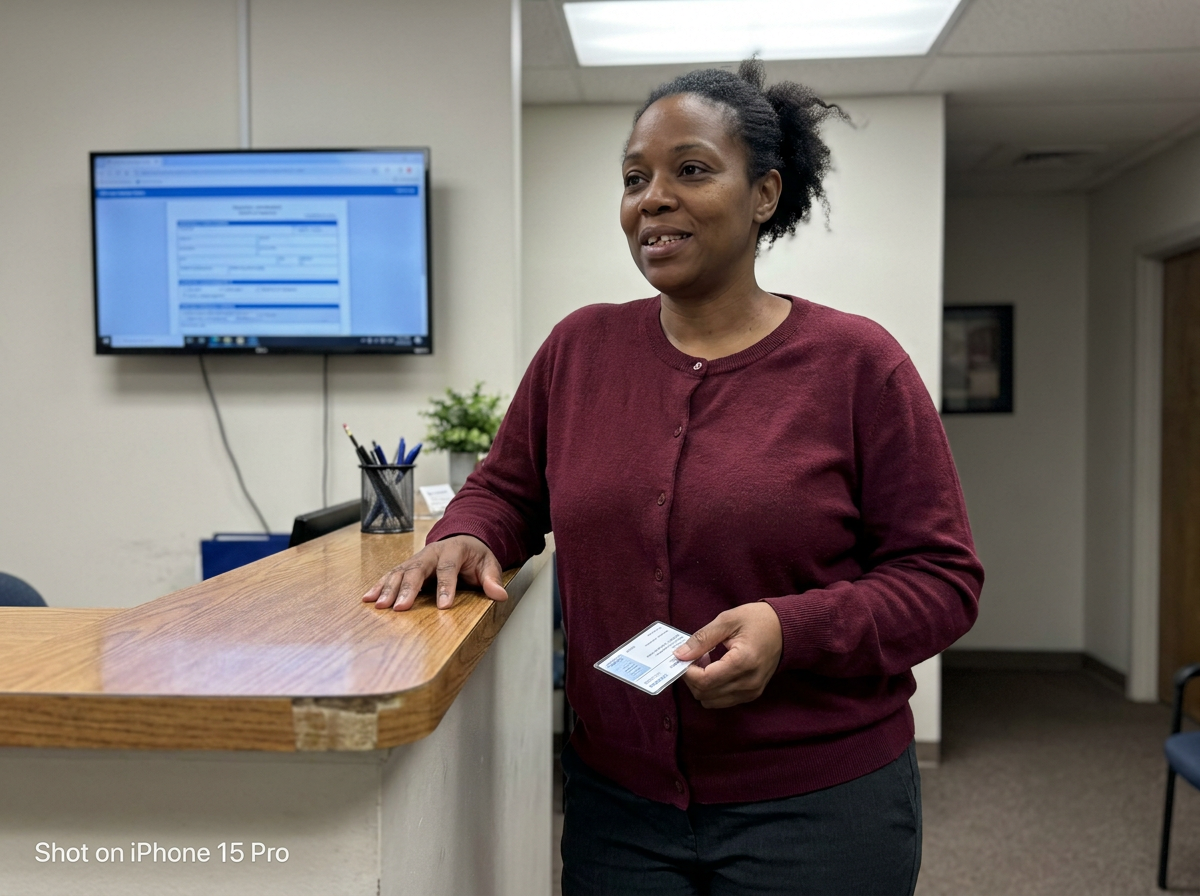
On the paperwork: we handle the PIP billing and the insurance side. That’s not something you manage. And if you’re more comfortable in Spanish, care is available in Spanish with a real bilingual provider, not a translated script read off a card.
The 14-day window — what it means and why it matters
Florida’s PIP law gives you 14 days to be evaluated after a car accident if you want to use your personal injury protection coverage. Miss that window, and under current law you can lose access to that medical benefit. This is a practical timeline, not a pressure tactic. It exists so insurers can tie treatment to the accident.
The Florida Department of Highway Safety and Motor Vehicles outlines the state’s no-fault insurance requirements, including the personal injury protection coverage drivers carry.
There’s a second reason to get checked promptly that has nothing to do with insurance rules. Getting seen early creates a clinical record close to the accident. That record documents what the crash actually did to your body while it’s still fresh, which matters for your own understanding of the injury.
One more thing worth knowing. Florida’s no-fault system has been the subject of repeal debate. If the PIP rule changes, the reason to document your injury early doesn’t. Whether it’s for your own health record or a claim against the at-fault driver, an early record still protects you. The timeline here is about your health and your paperwork, never about a payout.
How we handle insurance and paperwork — so you don’t have to
For patients with PIP coverage, we bill the insurance directly. You do not get a bill while your claim is open. That’s the plain answer to the question almost everyone asks first: who pays for this?
Personal injury protection is Florida coverage that exists specifically for medical treatment after an auto accident. According to the Insurance Information Institute, PIP covers medical expenses regardless of who caused the crash. It’s there for exactly this situation.
Some patients come to us through an attorney, and their case is handled under a Letter of Protection, or LOP. That’s a known path, and patients sometimes ask about it. If that’s your situation, we coordinate the billing on that basis.
Here’s what we won’t do: tie your care to the size of any settlement. Your treatment is about how you’re feeling and what your body needs. The logistics are our job so you can focus on healing.
And if you’re not sure what your coverage looks like? That’s normal. Bring your card, ask us, and we’ll help you sort it out.
What we can help with — and what’s outside our scope
The clearest way to trust a provider is to hear them tell you the limits of what they do. Chiropractic care after a car accident works well for whiplash, neck and back pain from impact, headaches tied to cervical injury, and soft-tissue trauma. Those are the injuries this practice is built to treat.
What falls outside chiropractic scope: fractures, severe neurological symptoms like loss of sensation or weakness, and signs of internal injury. If your imaging or your assessment points to any of that, chiropractic isn’t the answer, and we say so.
When that happens, we refer you to the right specialist. That’s not us passing you off. It’s us making sure you’re in front of the person who can actually help.
Think about it from the other side. A clinic that claims it can fix anything is telling you something about how it does business. A provider who names what they don’t do is telling you the truth. From our experience, that honesty is what patients remember, and it’s what referring attorneys count on when they document a case.
Common questions people ask before their first visit
Most people walk in with the same handful of questions. Here are the honest answers.
Do I really need to come in if I feel okay? Often, yes. Whiplash and soft-tissue injuries can take days to surface, so feeling fine right after a crash doesn’t rule injury out. A calm evaluation tells you where you actually stand.
How long will treatment take? It depends on what we find, and we won’t pretend otherwise. Most patients have a much clearer picture after the first couple of visits, once we understand the injury and how your body is responding.
Will my attorney need to be involved? If you have an attorney, they can coordinate with us on your case. If you don’t, that’s fine. You don’t need one to be seen.
Is the office bilingual? Yes. Care is available in English and Spanish with a real bilingual provider.
What should I bring to my first appointment? Your insurance card, a photo ID, and any accident documentation you have, like the crash report or the other driver’s information. Keep it simple.

Key takeaways
- Feeling fine after a crash is common and doesn’t rule out injury. Whiplash symptoms often appear 24 to 72 hours later.
- Chiropractic care after a car accident treats musculoskeletal injuries: whiplash, neck and back pain, soft-tissue trauma, and cervical headaches.
- If something falls outside chiropractic scope, like a fracture or neurological symptom, we say so and refer you.
- Florida’s PIP law generally gives you 14 days to be evaluated to keep access to your coverage.
- For patients with PIP, we bill insurance directly. No bill while your claim is open.
- Care is available in English or Spanish with a real bilingual provider.
Come in and we’ll walk you through it
If you were in an accident, you don’t have to figure this out alone. Come in, tell us what’s going on, and we’ll walk you through what we find, one step at a time. We handle the paperwork. You focus on how you’re feeling.
In English or Spanish, whichever you’re more comfortable with. If Spanish is easier, message us on WhatsApp and a real person will answer. We’re here to help.
This article is general information, not medical or legal advice. For guidance specific to your injury or your claim, talk with a licensed provider or attorney.
Hurt in a car accident? Learn about our car accident chiropractic care in Clermont, including same-day exams and help with your PIP claim.