
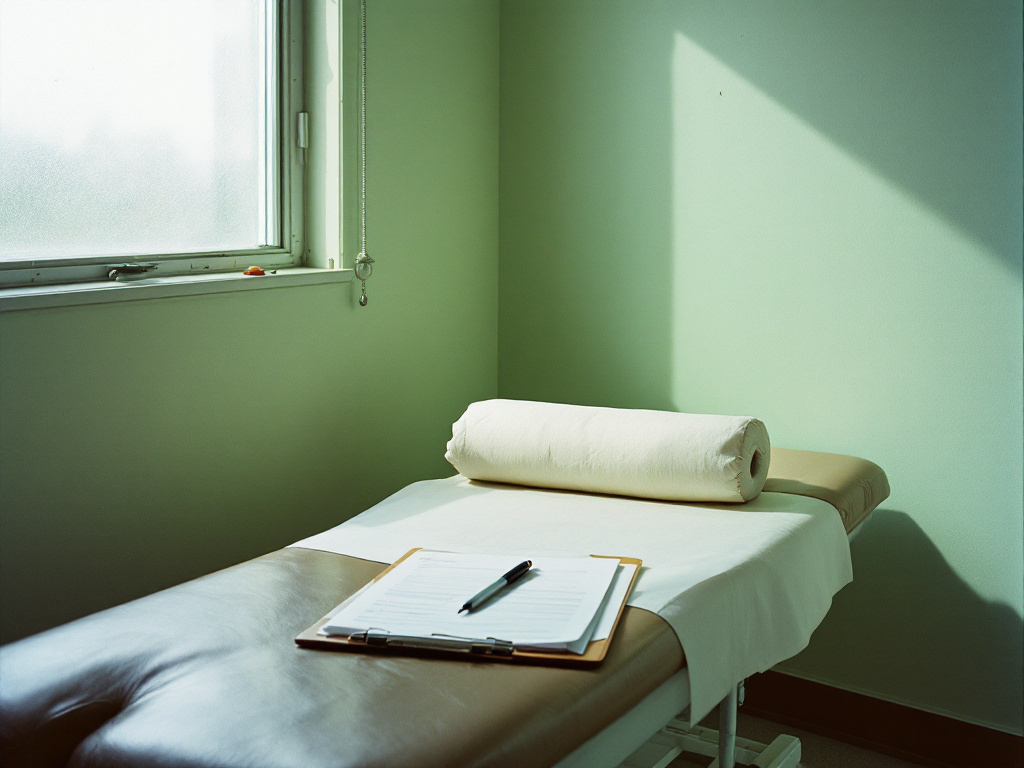
Hurt in a Car Accident? Here Is What to Do First
After a car accident, the most important first step is getting checked, even if you feel okay. Delayed-onset injuries like whiplash often show up 24 to 72 hours later, and in Florida you generally have 14 days to seek care under your PIP coverage. This guide walks you through what to do, what a visit looks like, and who pays.
We handle auto-injury cases every week here in Clermont. Most of our patients arrive shaken, sore, and unsure what “treatment” even means. That’s normal. Let’s slow it down and go through it together.
This article is general health information, not medical or legal advice. For advice about your specific injury or claim, talk to a licensed provider or attorney.
You might feel fine right now, and that is worth paying attention to
Feeling fine after a crash is common, and it doesn’t mean you’re uninjured. Soft tissue injuries like whiplash often produce no symptoms for 24 to 72 hours after impact, sometimes longer. The pain shows up after the adrenaline wears off.
Here’s what’s happening in your body. In a collision, your neck absorbs force faster than your muscles can brace against it. That sudden strain on the muscles, tendons, and ligaments doesn’t always hurt at the scene. It hurts later, once the swelling and stiffness set in.
Your stress response plays a part too. Adrenaline can mask pain signals in the hours right after a crash, according to the Cleveland Clinic, which notes whiplash symptoms can take a day or more to appear.
This isn’t us trying to scare you into a visit. It’s just how the body works. Getting checked early, calmly, tells you where you actually stand.
What chiropractic care actually does after an auto injury
Chiropractic care after an auto injury focuses on the spine, joints, and soft tissue, the structures a collision hits hardest. The work centers on the neck and back, where sudden force tends to do its damage.
A spinal adjustment is a controlled movement applied to a joint to restore motion and ease pressure. It is not a cure-all, and it is not the answer to every problem. We’ll tell you plainly when it fits and when it doesn’t.
Common conditions we treat after a crash:
- Whiplash and neck strain
- Upper and lower back pain
- Headaches that start after impact
- Restricted range of motion in the neck or shoulders
Concussion and mild traumatic brain injury are related but separate. Chiropractic care can support some symptoms, but a suspected brain injury needs proper neurological evaluation. When something is outside what we do, we say so and point you to the right person.
One thing we don’t do: promise a set number of visits before we’ve examined you. Accurate diagnosis comes first. The treatment follows what the exam finds.

Your first visit: what to expect, step by step
Walking into an unfamiliar clinic after a stressful week is its own kind of stress. You don’t know the process, the people, or whether you’re even in the right place. We get that. Here’s exactly how a first visit goes.
You arrive and check in. We handle the paperwork side, so you’re not standing at a counter filling out forms you don’t understand.
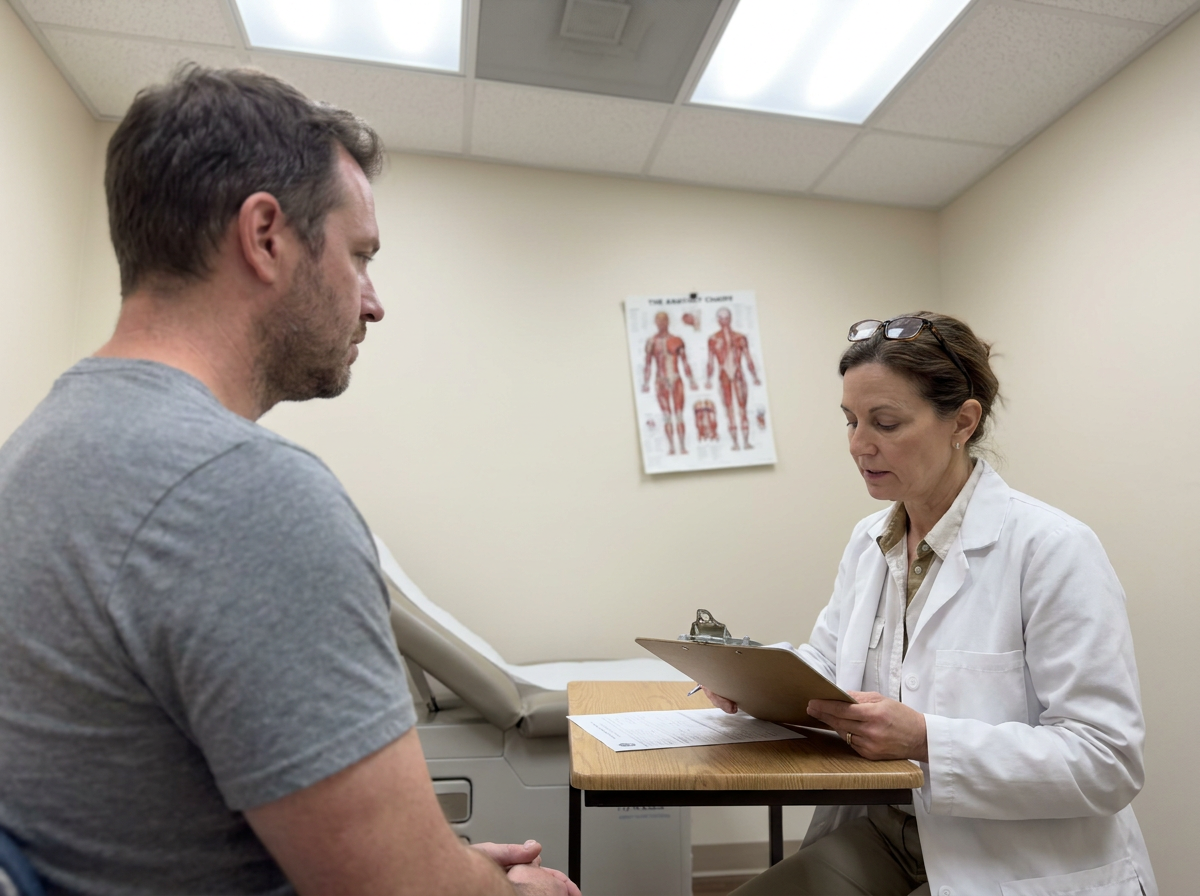
Then we talk. The doctor asks how the accident happened, how you’re feeling now, and about your health history. This matters because the mechanics of the crash tell us where to look.
Next, the examination. We check the areas connected to your symptoms and test your range of motion before recommending anything.
Then we explain what we found, in plain words. No one will rush you, and no one will tell you what you want to hear just to get you in the door. You’ll hear what the exam actually shows.
About the “how many visits” question: the honest answer is that it depends on what the exam finds. There’s no standard number, and we won’t invent one.
Who pays for treatment after a car accident in Florida
Most Florida drivers carry Personal Injury Protection, or PIP, as part of their auto insurance. Under current Florida law, PIP covers up to $10,000 in medical costs regardless of who caused the crash, according to the Florida Department of Highway Safety and Motor Vehicles.
There’s a deadline you should know about. Florida PIP currently requires you to seek care within 14 days of the accident to keep that coverage, per Florida Statute 627.736. We’re telling you this as a fact about how the coverage works, not as a countdown clock.
We handle the PIP billing and paperwork directly. You don’t manage that process yourself.
If you don’t have PIP, or you’re past the 14-day window, there are other paths. A Letter of Protection through an attorney or a cash-pay option can work depending on your situation. We’ll walk you through what applies to you.
Here’s a line we hold to: we never frame treatment or timing around a settlement. The only framing we use is how the coverage works, and how we handle it so you don’t have to.
Same-day and walk-in appointments: how it works
The days after a crash feel scattered. Scheduling a medical visit can seem like one more task you don’t have room for. We keep this part simple.
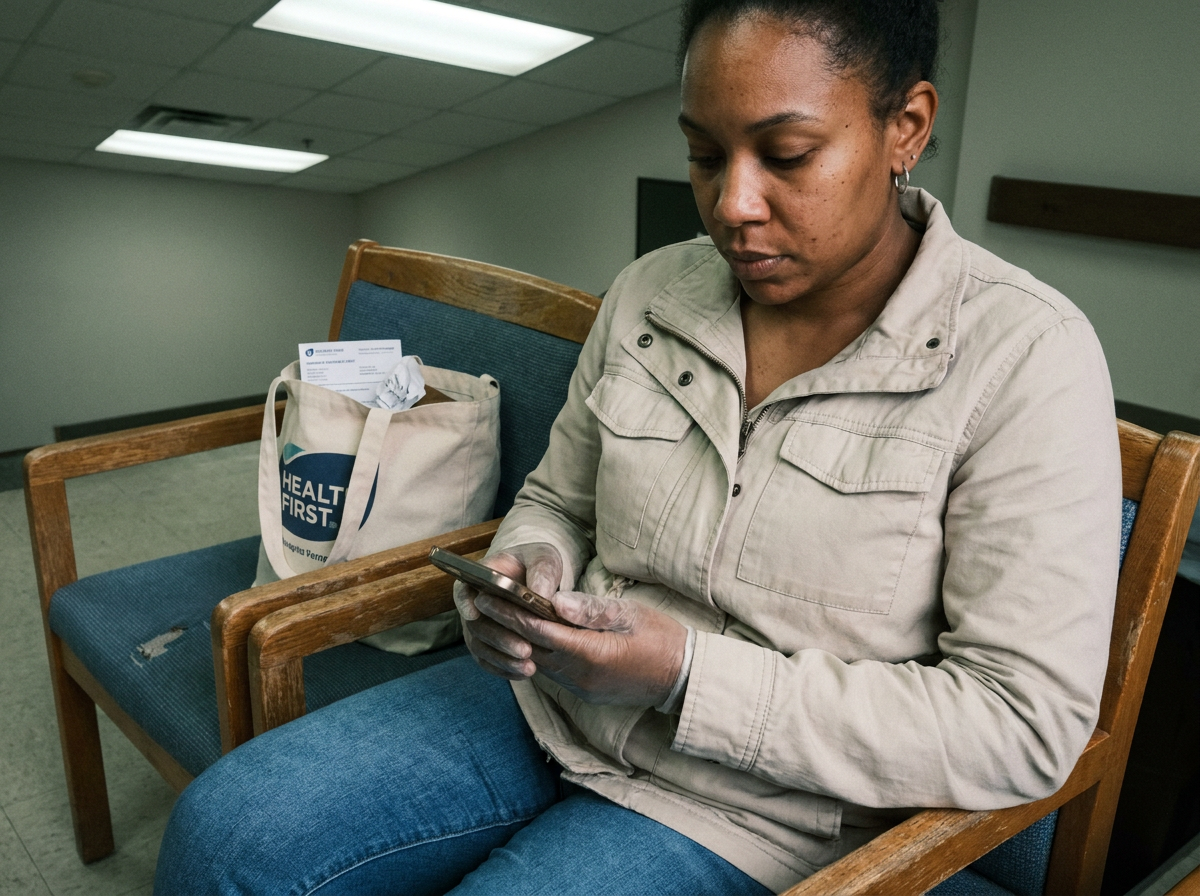
To get seen quickly, call, text, or message us on WhatsApp. There’s no drawn-out intake process standing between you and a first visit. Same-day appointments are often available, depending on the day.
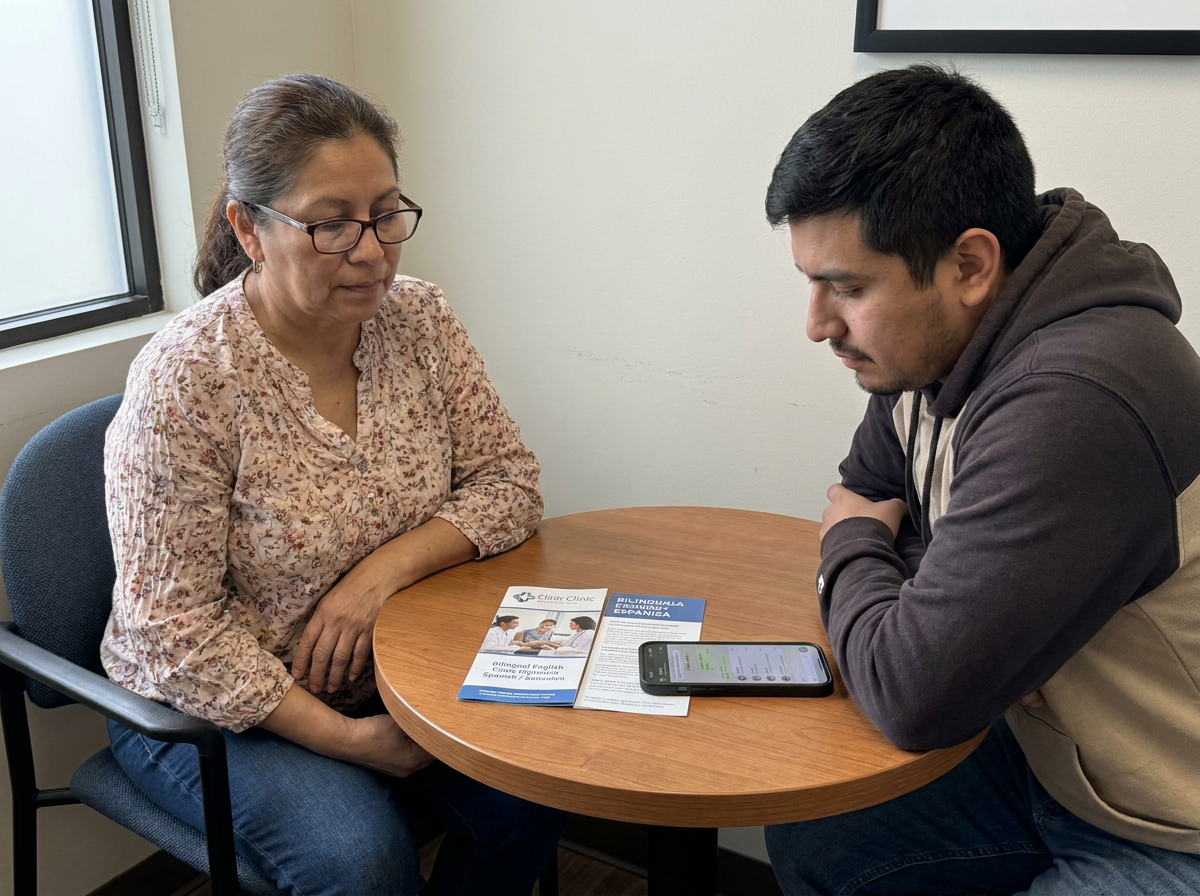
Care is available in English and Spanish, with a real Spanish-speaking team member. Not a translation app, a person.
A few practical things:
- Bring your ID, insurance info, and any accident or police report you have.
- Your attorney usually doesn’t need to be involved before your first visit. If you have one, we coordinate with them after.
- The first call is short and human. We ask what happened and get you scheduled.
You don’t need to have everything figured out before you come in. That’s what the visit is for.
Whiplash: what it is, why it shows up late, and how it gets treated
Whiplash is a rapid back-and-forth movement of the neck that strains the muscles, tendons, and ligaments. It’s the most common auto injury and the most commonly misunderstood.
It can happen at speeds as low as 5 to 10 miles per hour. A low-speed crash doesn’t mean a low-impact injury to your cervical spine, according to Johns Hopkins Medicine. The neck takes the force whether the fender is dented or not.
Symptoms to watch for:
- Neck stiffness and reduced range of motion
- Headaches starting at the base of the skull
- Shoulder and upper back pain
- Sometimes cognitive fog or trouble concentrating
These can appear days after the crash, which is why the “I feel fine” moment can be misleading.
Treatment starts with an examination, then a care plan built around what we find. That may include manual adjustments to restore joint motion, soft tissue work to ease muscle strain, and simple rehabilitative exercises to rebuild range of motion.
Some things are outside our scope. Severe neurological symptoms, a suspected fracture, or certain concussion presentations need immediate referral. Saying that out loud is part of the job.
What we can help with, and what is outside what we do
This section exists because honest care means naming your limits. It’s not fine print. It’s the whole point.
Chiropractic care after an auto accident is a good fit for:
- Whiplash and neck strain
- Neck and back soft tissue injury
- Joint dysfunction and restricted mobility
- Headaches that begin after a collision
It is not the primary treatment for:
- Suspected fractures
- Certain concussion presentations
- Internal injuries
- Anything needing imaging or a surgical opinion
In those cases, we tell you and help connect you to the right provider. The American Chiropractic Association supports this kind of coordinated, evidence-based care alongside other providers when a condition calls for it.
No one here will tell you something is fine if the exam says otherwise. And no one will invent a diagnosis to justify more visits. The exam drives the treatment. That’s it.
A note for Spanish-speaking patients and their families
About half of the patients we see are Spanish-speaking, and that shaped how this practice runs. It isn’t a service we bolted on later.
Care happens in Spanish natively, not through a translation service. You can describe your symptoms, ask questions, and understand your treatment in the language you’re most comfortable in.
For Spanish-first patients, WhatsApp is the easiest way to reach us. A real bilingual team member responds, in Spanish.
Escríbanos por WhatsApp y le respondemos en español. Estamos aquí para ayudarle.
Family is welcome. In a lot of families, health decisions get made together, and we understand that. Bring whoever you need with you.
Every patient, whatever language they speak, gets the same unhurried, honest, individualized care.
Key takeaways
- Feeling fine after a crash is common. Whiplash symptoms often appear 24 to 72 hours later, not at the scene.
- Florida PIP currently covers up to $10,000 in medical costs regardless of fault, but you generally must seek care within 14 days.
- A first visit means consultation, examination, and a plain-language explanation of findings before any treatment.
- The number of visits depends on what the exam finds. There is no standard answer.
- Chiropractic care fits whiplash, neck and back injury, and post-crash headaches. Suspected fractures, internal injuries, and certain concussions need referral.
- Care is available in English and Spanish, with WhatsApp as the easiest channel for Spanish-first patients.
Frequently asked questions
How long after a car accident should I see a chiropractor?
It’s worth getting checked within a few days, even if you feel fine. Whiplash symptoms often appear 24 to 72 hours after impact. In Florida, PIP coverage currently requires you to seek care within 14 days of the accident to keep that benefit.
Can I have whiplash and not feel it right away?
Yes. Adrenaline and your body’s stress response can mask pain in the hours after a crash. Whiplash symptoms like neck stiffness, headaches, and reduced range of motion often show up a day or more later. That delay is normal and is why an early check makes sense.
Who pays for chiropractic care after a car accident in Florida?
Most Florida drivers have PIP, which currently covers up to $10,000 in medical costs regardless of fault, if you seek care within 14 days. If you don’t have PIP or you’re past that window, a Letter of Protection or cash-pay option may apply. We handle the billing and paperwork.
Can I get a same-day appointment after an accident?
Often, yes. You can call, text, or message us on WhatsApp to get seen quickly. There’s no long intake process before your first visit. Bring your ID, insurance information, and any accident report you have.
Do I need to talk to my attorney before my first visit?
Usually not. You can come in and get examined first. If you have an attorney, we coordinate with them afterward and handle the documentation. Getting checked for your injury and managing the legal side are two separate things.
Come in when you’re ready
You don’t have to figure this out alone. Come in, tell us what happened, and we’ll walk you through it one step at a time. We handle the insurance paperwork, and we’ll be honest about what we find.
Call or text us to get seen, or message us on WhatsApp. Escríbanos por WhatsApp y le respondemos en español.
This article offers general information and is not a substitute for individual medical or legal advice.
Hurt in a car accident? Learn about our car accident chiropractic care in Clermont, including same-day exams and help with your PIP claim.