

Hurt in a Car Accident? Here Is What to Do First, and What to Expect From Care
If you were just in a car accident and you’re hurting, or you’re waiting to see if you will be, the first thing to do is get checked. Not to build a case. To find out what’s actually going on in your body while the picture is still fresh. This piece walks through what that looks like: the injuries that show up late, what a first visit here involves, how PIP covers it, and what falls outside what a chiropractor should treat.
We’re Taylor-Made Health & Wellness in Clermont, FL. We see auto-accident patients every week, in English and Spanish. Here’s what we tell them.
This article is general information, not medical or legal advice. For your situation, get evaluated in person.
You can feel fine and still be injured
You can walk away from a crash feeling okay and still be injured. That’s not a scare tactic. It’s how soft-tissue injuries work. The adrenaline from the accident masks pain for hours, sometimes a full day. The inflammation from whiplash usually builds over the next 24 to 72 hours, which is why so many people wake up two mornings later barely able to turn their head.
Here’s what we’re hearing when someone says “I feel fine”: relief. Real relief, and we get it. But that first-day okay can be premature.
Watch for these in the days after:
- Stiffness in the neck or upper back
- Headaches that start at the base of the skull
- Trouble turning your head to check a blind spot
- Fatigue that feels bigger than the crash should have caused
The Mayo Clinic notes that whiplash symptoms often appear within days of the injury, not immediately. A check-in doesn’t mean something is wrong. It means you get a clear picture either way.
One practical note: Florida’s PIP rules require you to seek initial care within 14 days of the accident to keep your coverage. If that window has changed under new law, the reason to document your injury still holds, it just protects your claim against the at-fault driver instead. Either way, getting checked early works in your favor.
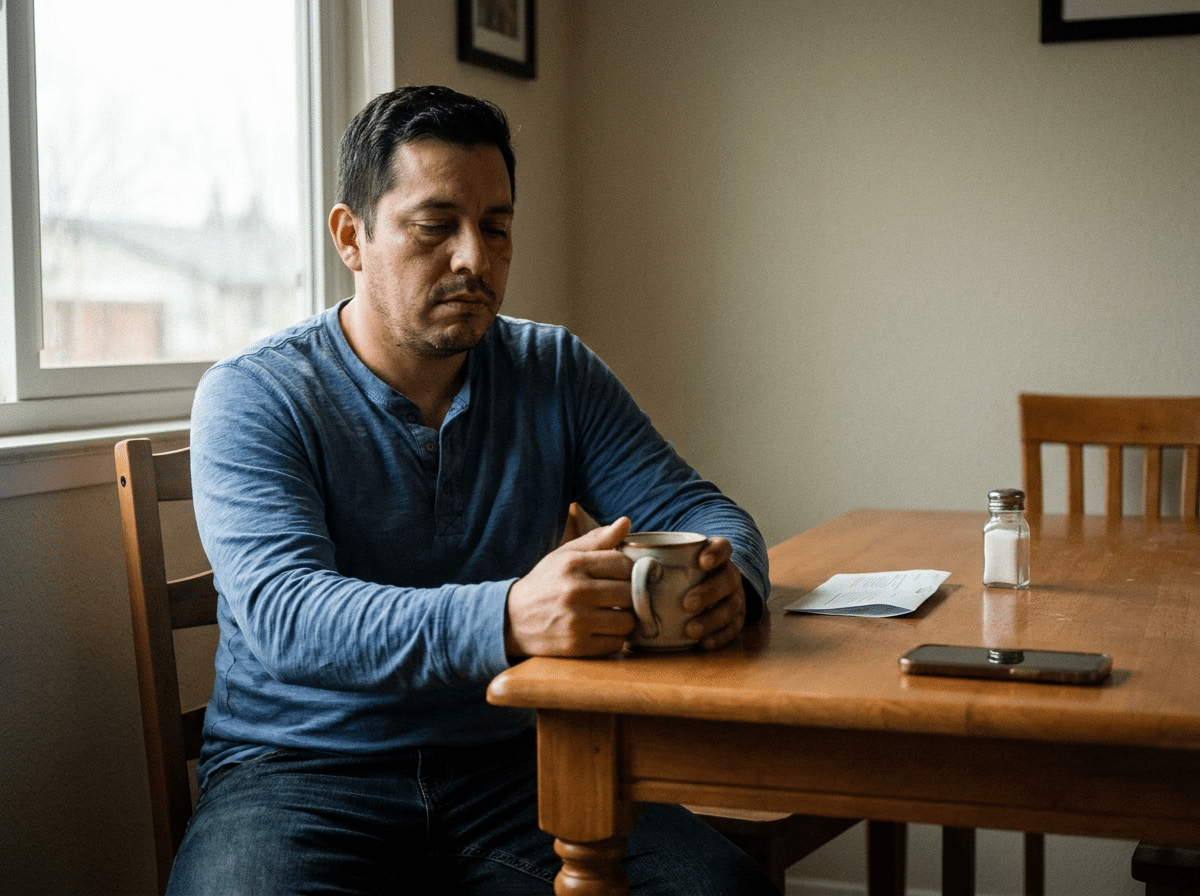
What same-day care actually looks like here
A same-day visit here is unhurried and one patient at a time. You check in, we sit down and talk through what happened and how you’re feeling, then we examine you, explain what we find in plain words, and talk about a care plan only if one makes sense. That’s the whole visit. No conveyor belt.
You’ve probably heard how the busy accident clinics run. In and out. A few minutes with someone, a stack of forms, a plan you didn’t quite follow. We built this differently on purpose.
The exam covers the real things:
- Range of motion in your neck and back, to see what moves and what’s guarded
- A neurological screen, checking reflexes and sensation for anything that points past muscle and joint
- Palpation of the areas that hurt, so we feel what’s actually going on
- Documentation of all of it for your record
According to the American Chiropractic Association, chiropractors are trained to evaluate and, when appropriate, refer patients whose conditions need other care. That’s part of the job. If we think you need imaging, we say so and send you for it. If the injury pattern points to something beyond what we do, we tell you that too.
We won’t promise you an outcome. What we’ll do is tell you what we find and what we think will help.
Insurance, PIP, and the paperwork question
Florida PIP covers chiropractic care for auto-accident injuries, and we handle the billing and paperwork directly. You don’t have to figure out the insurance side yourself. That’s on us.
So what is PIP? Personal Injury Protection is the medical coverage already built into your Florida auto insurance policy. It’s not an add-on you have to buy after the fact. Under Florida’s no-fault system, your own PIP pays for accident-related medical care up to your policy limit, regardless of who caused the crash. The Florida Department of Highway Safety and Motor Vehicles explains the state’s required coverage, including the standard $10,000 in PIP.
If you already have an attorney on your case, you’re welcome here. We work with legal teams on the documentation side and keep them in the loop.
Two things we want to be clear about. You won’t get a surprise bill for covered PIP treatment. And we don’t talk about care in terms of settlements. The number of visits you need has nothing to do with anyone’s payout, and we’d never frame it that way. We treat what’s there.
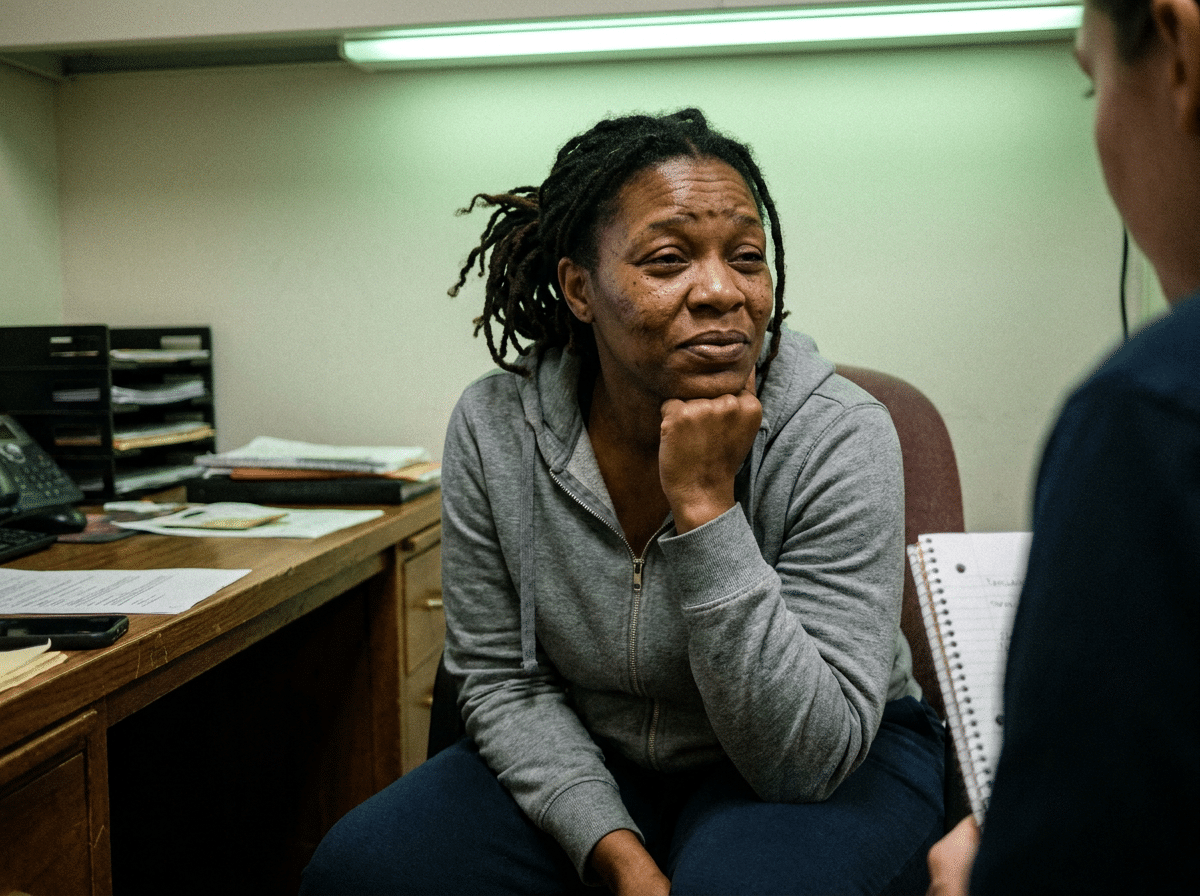
Why the documentation matters as much as the treatment
A clean, accurate injury record protects two things: your health first, and your legal case second, in that order. When your care is documented properly, the next provider who sees you knows exactly what happened and what’s been done. And if there’s a claim, the record tells the truth of your injury without anyone having to guess.
Good documentation includes a few specific pieces:
- A clear narrative of the injury and how it happened
- Causation language tying the injury to the accident
- Consistent records across your visits
- An honest read on how you’re progressing, up or down
Sloppy records hurt patients. They also hurt cases. When the notes are thin or don’t line up, the person paying the price is you. That’s the plain reason to pick a provider who documents carefully. It isn’t a sales pitch. It’s just how this should work.
For the attorneys who refer to us, this is the whole relationship in one line: we treat what’s there, we document it properly, and we’re honest about scope. More visits don’t make a better record. Accurate notes do.
Care in English and Spanish, whichever is yours
We serve Spanish-first patients natively. Not through a translated form or a phone interpreter you can barely hear. A real bilingual person, in the room, in your language.
Here’s why that matters. When you’re hurt, you should be able to describe your pain in your own words. And you should understand every word of what we tell you back. Something gets lost when pain has to travel through translation. We took that out of the equation.
If it’s easier for you to reach us by WhatsApp, that door is open too. Message us, tell us what happened, and we’ll take it from there. Estamos aquí para ayudarle.
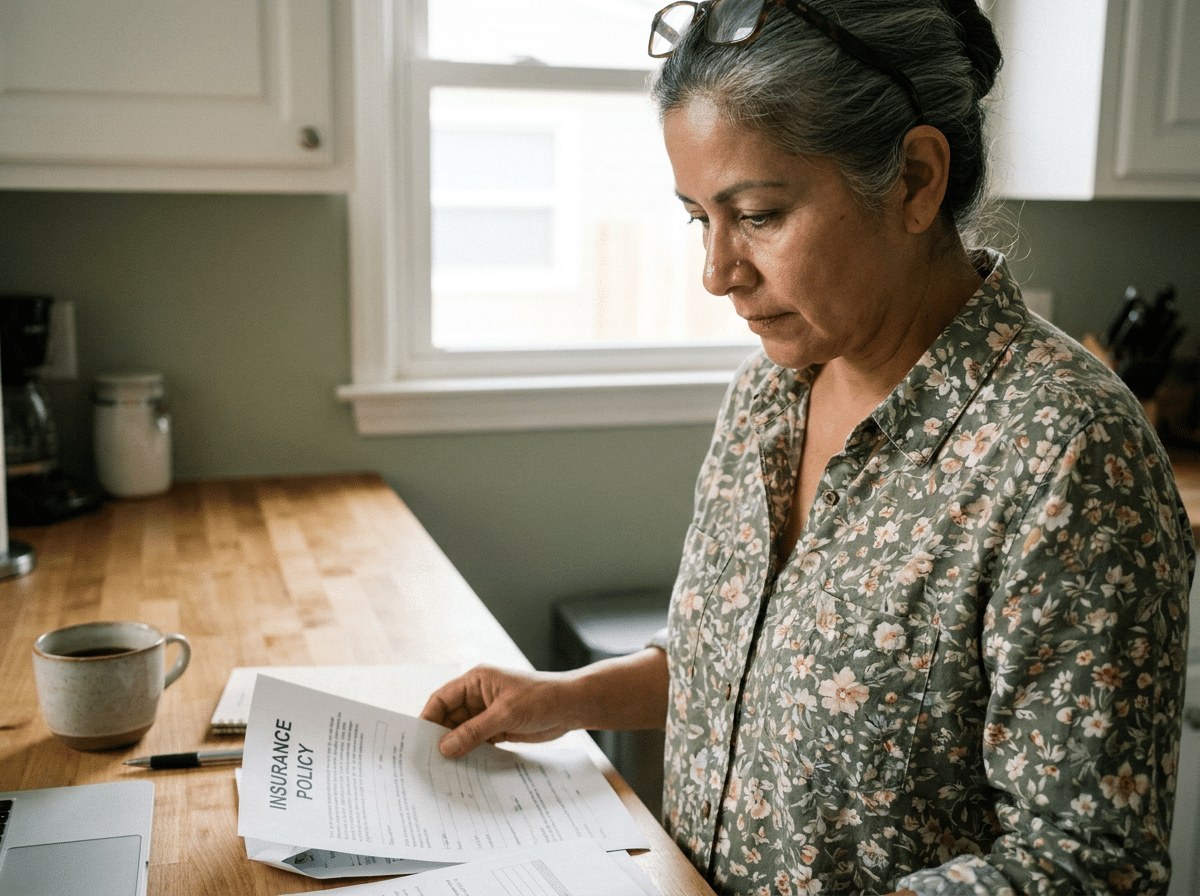
What we can help with, and what is outside our scope
We treat musculoskeletal injuries from car accidents. That means whiplash and cervical strain, neck and upper-back pain, lower-back pain from the impact, headaches with a muscle-and-joint origin, and mild concussion follow-up as part of a larger care team.
Now the part most clinics skip. Here’s what’s outside chiropractic scope, and we’ll tell you straight if we see it:
- Fractures
- Severe or worsening neurological symptoms
- Anything that needs emergency imaging or a surgical opinion
Those cases need a different kind of doctor, and we refer them. The Cleveland Clinic describes chiropractic as one part of musculoskeletal care, with clear situations where other medical evaluation comes first. We agree, and we practice that way.
Knowing where our work ends is not a weakness. It’s competence. A clinic that claims to fix everything is the one to be careful with.
Walk-in visits and how to get seen today
You can walk in, no referral needed, and we’ll work to see you the same day. Bring three things if you have them: your insurance card, any accident report information, and a short list of the symptoms you’ve noticed. That’s enough to get started.
There’s a real, calm reason to come in sooner rather than later. The earlier we evaluate you, the cleaner your baseline record is, meaning we capture your condition close to the crash instead of weeks out. That’s practical information, not a countdown. No slots are running out. The invitation stays open.
So here’s the next step. Come in and tell us what’s going on. We’ll walk you through what we find, in plain words, one at a time. If we can help, we’ll show you how. If something’s outside what we do, we’ll tell you that and point you to the right person.
Prefer Spanish and WhatsApp? Message us with: “Hola, tuve un accidente y quiero saber cómo me pueden ayudar.” We’ll take it from there.
Key takeaways
- You can feel fine after a crash and still be injured. Whiplash inflammation often builds over 24 to 72 hours.
- Florida PIP covers chiropractic care for auto-accident injuries, and a clinic can handle the billing and paperwork for you.
- Florida’s rules generally require seeking care within 14 days to keep PIP coverage. If the law changes, early documentation still protects a claim.
- A first visit should be unhurried: intake conversation, exam, plain-language findings, and a care plan only if one is warranted.
- Accurate documentation protects your health first and your legal case second. More visits don’t make a better record.
- A trustworthy clinic names what it can’t treat, like fractures or severe neurological symptoms, and refers those cases out.
- Walk-in and same-day visits usually need no referral. Bring your insurance card, accident report info, and a symptom list.
Frequently asked questions
Can I see a chiropractor after a car accident without a referral?
Yes. In Florida, you can usually visit a chiropractor for auto-accident injuries as a walk-in, without a referral. Many clinics offer same-day appointments. Bring your insurance card and any accident report information. If you’ve been in a crash, getting evaluated early helps document your condition while the injury is fresh.
Does Florida PIP cover chiropractic care after an accident?
Yes. Personal Injury Protection is the medical coverage built into your Florida auto policy, and it covers chiropractic care for accident injuries up to your policy limit, commonly $10,000. Coverage applies regardless of fault. To keep PIP eligibility, Florida generally requires you to seek initial care within 14 days of the accident.
How long after a car accident can whiplash symptoms show up?
Whiplash symptoms often appear within 24 to 72 hours of a crash, not immediately, because adrenaline masks pain and soft-tissue inflammation builds over time. Common signs include neck stiffness, headaches at the base of the skull, and trouble turning your head. Feeling fine on day one doesn’t rule out injury, which is why an early check-in helps.
What should I bring to a walk-in chiropractic visit after an accident?
Bring your auto insurance card, any accident or police report information you have, and a short list of the symptoms you’ve noticed since the crash. If you already have an attorney on the case, their contact information helps too. That’s enough for the clinic to start your intake and examination the same day.
Will I get a bill for chiropractic care covered by PIP?
For care covered under your Florida PIP benefits, you should not receive a surprise bill up to your coverage limit. A clinic that handles PIP billing directly manages the paperwork with your insurer. Ask any provider up front how they bill and what happens if your PIP limit is reached, so there are no surprises later.
Taylor-Made Health & Wellness, Clermont, FL. This article is general information, not medical or legal advice. English or Spanish, whichever works for you. We’re here to help.
Hurt in a car accident? Learn about our car accident chiropractic care in Clermont, including same-day exams and help with your PIP claim.