
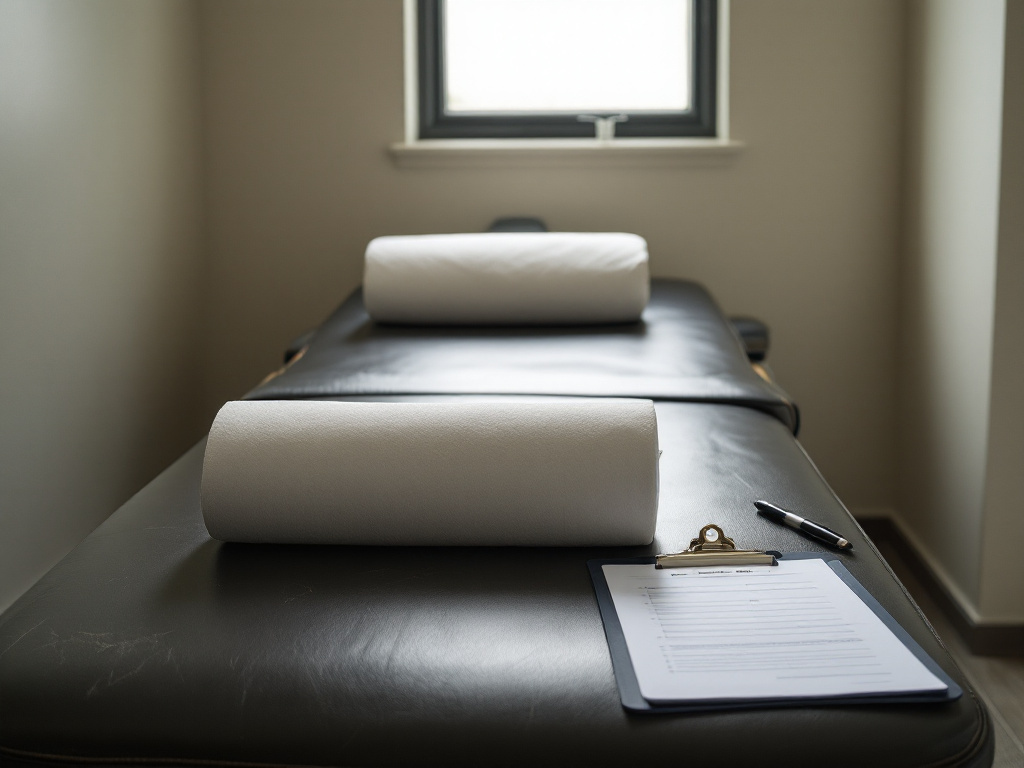
Right after a crash, the most important thing is getting checked, even if you feel okay. You can walk away from a wreck feeling fine and still have an injury that shows up days later. This guide walks you through what to watch for, what chiropractic care does for accident injuries, who pays, and what your first visit looks like. Dr. JP Silvera and the team at Taylor-Made Health & Wellness in Clermont, FL treat auto-injury patients every week, in English and Spanish.
If you were hurt near Clermont, Minneola, Groveland or Winter Garden, our auto accident chiropractor in Clermont page explains how we can see you and how your PIP is billed.
We’ll be honest with you the whole way through, including about what’s outside what we can help with.
You might feel fine right now, and that is actually pretty common
Here’s what we hear a lot: “I feel okay, do I even need this?” That’s a fair question. And the answer surprises people.
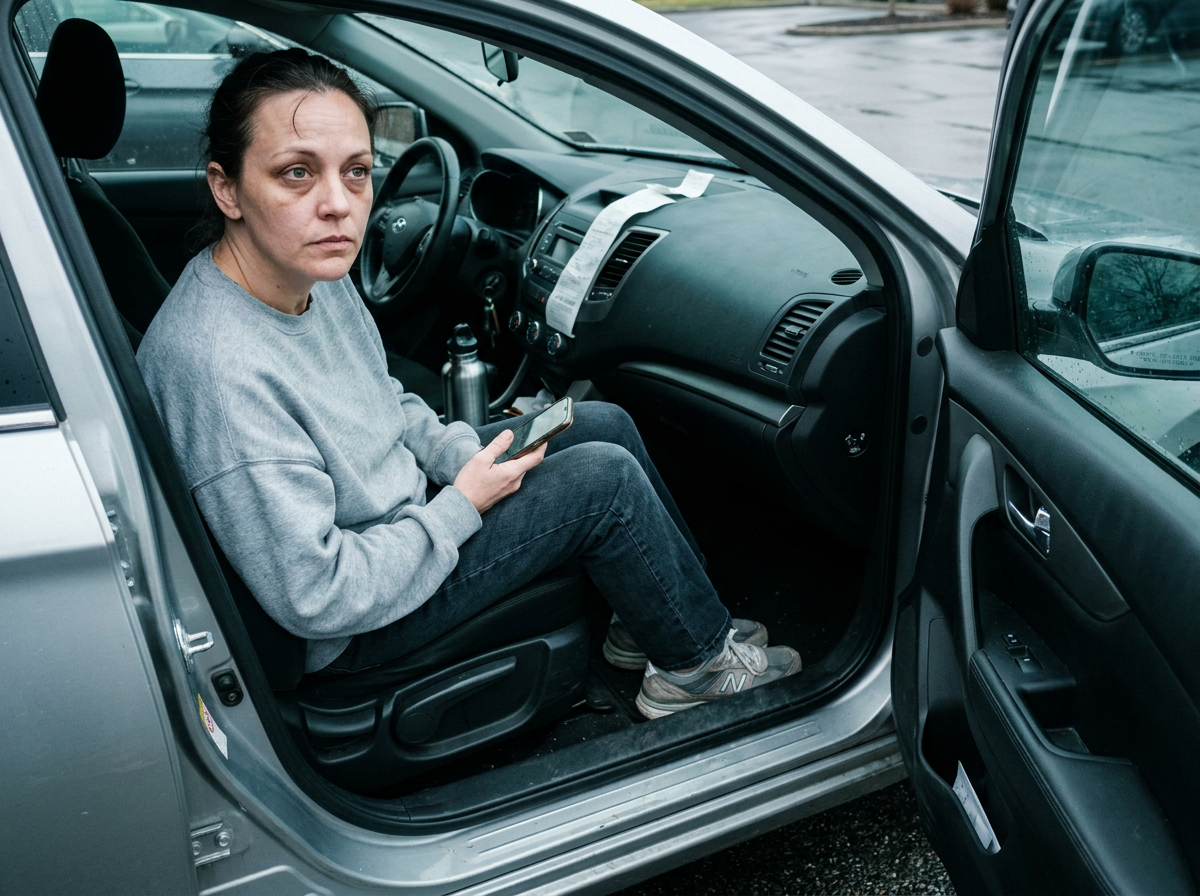
Feeling fine right after a crash is common. Your body floods with adrenaline at the moment of impact, which masks pain. As that wears off and inflammation builds, symptoms often surface two to five days later. The Mayo Clinic notes that whiplash signs can appear within 24 hours or take several days to develop.
So what should you watch for? Neck stiffness. Headaches that start a day or two after the wreck. Tightness across the upper back. Trouble turning your head. Fatigue. Mild dizziness.
None of that means something catastrophic happened. It usually means your body braced hard to protect you, and now it’s catching up. Delayed pain is the body doing its job, not a sign of disaster.
That’s the reason we suggest getting checked even when you feel fine. Not to scare you. Just so you know where you actually stand.
What chiropractic care actually does for accident injuries
Chiropractic care after a car accident treats the soft-tissue and spinal injuries the force of a crash leaves behind. Even a low-speed collision can strain the muscles and ligaments in your neck and back and shift the alignment of your spine, which affects how your nervous system works.
What is whiplash? It’s a strain to the muscles and ligaments in your neck caused by your head snapping forward and back quickly. It’s the most common auto-injury we see. According to the American Chiropractic Association, chiropractors are trained to evaluate and treat these musculoskeletal injuries through hands-on care.
Here’s what we commonly help with:
- Whiplash and neck pain
- Upper back and shoulder tightness
- Lower back pain
- Headaches tied to the neck (cervical involvement)
- Mild concussion or mild TBI, evaluated alongside the right referral when needed
Now the honest part. Some things are outside chiropractic scope. Fractures, serious neurological symptoms, internal injuries, these need emergency or specialist care first. If we suspect any of that, we’ll tell you and point you to the right place.
From our experience, no two crashes produce the same injury. That’s why the first visit is about understanding what happened to your body, not running the same protocol on everyone who walks in.
What your first visit looks like, step by step
Your first visit is an unhurried conversation, an exam, and a plain-language explanation of what we find. No standard script. Here’s the order it happens in.
First, we talk. You tell us what happened in the crash and how you’re feeling now. Then we do a physical and orthopedic exam to check your range of motion, tender spots, and how your neck and back are moving.
After that, Dr. JP walks you through what he found. In plain words. If a medical term comes up, he explains it right then.
Then we talk options together.
You get time to ask questions. Nothing is rushed. If you think of something halfway through, ask it.
One worry we hear early: “Will I get handed a bill I can’t pay?” No. PIP covers the visit, and we handle the paperwork. Your job is to show up and tell us what’s going on.
This is where “tailor-made” actually means something. Your treatment plan is built around what the exam finds, not a fixed number of visits stamped on everyone. And the whole visit happens in English or Spanish, whichever feels more comfortable. That’s native-language care, not a translated script.
Who pays for this, and what do you actually owe
In Florida, your own auto insurance pays for accident treatment through Personal Injury Protection, or PIP, no matter who caused the crash. PIP is Florida’s no-fault coverage. It pays up to your policy limit, which is often the $10,000 minimum most drivers carry.
There’s a deadline you should know about. Florida law requires you to seek initial medical care within 14 days of the accident to keep your PIP benefits active. The Florida Department of Highway Safety and Motor Vehicles publishes the state’s insurance requirements. This is a real timeline, not a sales tactic. Miss the window and you can lose the coverage.
A note on the law: Florida’s no-fault system has been debated for possible repeal. If the rules change, the honest frame shifts to documenting your injury to protect your claim against the at-fault driver. Either way, the core stays the same. Get evaluated so you have a clear medical record.
About that bill fear again: we handle the insurance billing and the paperwork for you. We don’t tie your care to any settlement or claim value, ever. The only frame here is coverage for your treatment. That’s it.
Same-day and walk-in appointments: how it works
Same-day and walk-in appointments are available, so you don’t wait weeks to get answers. If you were in a crash this morning, you can often be seen this afternoon.
Here’s how it works. Call us or send a message, we get you on the schedule that day, you come in and we see you. That’s the whole process.
We serve Clermont, Minneola, Groveland, and the surrounding west Orange County area. Close enough that getting to us shouldn’t be one more obstacle on a hard week.
For our Spanish-first patients: WhatsApp is the easiest way to reach us. Message us and you’ll get a warm, direct conversation in Spanish, with a real person who can answer your questions.
We’re not trying to rush you. The point of same-day access is simple: less waiting, faster answers, less time wondering what’s wrong.
What we can help with, and what we will tell you honestly if we cannot
We help with the injuries a car accident actually causes: soft-tissue damage, spinal misalignment, whiplash, headaches that start in the neck, and mild TBI evaluation coordinated with the right referrals. Those are our lane, and we treat them every week.
Here’s what falls outside what we do. Suspected fracture. Loss of consciousness. Numbness, weakness, or other neurological red flags. Vascular symptoms. If you have any of those, the emergency room comes first, not our office. The CDC’s guidance on traumatic brain injury explains the warning signs worth taking seriously.
Why do we lay this out so plainly? Because a practice that tells you when it isn’t the right fit is one you can trust when it says it is.
After your exam, Dr. JP walks through what he found and how that leads to his recommendation. You get to follow the reasoning, not just accept a conclusion handed down from behind a desk.
And before you leave, we ask: are there any other concerns you have? No question is too small. No pressure to commit before you’re ready.
Key takeaways
- Feeling fine after a crash is common; whiplash symptoms often appear two to five days later once adrenaline wears off.
- Watch for neck stiffness, delayed headaches, upper back tightness, trouble turning your head, fatigue, and mild dizziness.
- Chiropractic care treats soft-tissue and spinal injuries; fractures, neurological red flags, and internal injuries need the ER first.
- Florida PIP covers your treatment regardless of fault, but you must seek care within 14 days to keep those benefits.
- We handle the insurance billing and paperwork. Care is never tied to a settlement or claim value.
- Same-day and walk-in visits are available in Clermont, Minneola, Groveland, and west Orange County, in English or Spanish.
Frequently asked questions
How soon after a car accident should I see a chiropractor?
As soon as you reasonably can, and within 14 days if you’re in Florida. That 14-day window is required to keep your PIP benefits active. Even if you feel fine, an early evaluation catches delayed injuries like whiplash and creates a clear medical record of what happened.
Can I get chiropractic care if I feel fine after the crash?
Yes, and it’s often a good idea. Adrenaline masks pain right after a wreck, so many injuries don’t show up for two to five days. An exam tells you whether anything needs attention before it worsens. If nothing’s wrong, you’ll know that too.
Will I get a bill for chiropractic care after my accident?
In most cases, no. Florida PIP covers accident-related medical treatment up to your policy limit, regardless of who was at fault. We handle the insurance billing and paperwork directly. Your part is showing up and telling us what happened.
What does a chiropractor treat after a car accident?
Whiplash, neck and upper back pain, lower back pain, and headaches that start in the neck. We also evaluate for mild concussion in coordination with the right referral. Fractures, loss of consciousness, and neurological symptoms need emergency care first.
Do you offer care in Spanish?
Yes. Your whole visit can happen in Spanish, from intake through the explanation of findings. This is native-language care, not a translated script. The easiest way to reach us in Spanish is through WhatsApp, where you’ll talk with a real person.
Come talk to us
Come in, tell us what happened, and we’ll walk you through it one step at a time. We’ll explain what we find in plain words and be honest about what we can and can’t help with. In English or Spanish, whichever feels right. Reach out by phone or WhatsApp and we’ll get you in.
This article is for general information and isn’t a substitute for a medical evaluation. If you’re having severe pain, numbness, weakness, or loss of consciousness after a crash, seek emergency care first.