
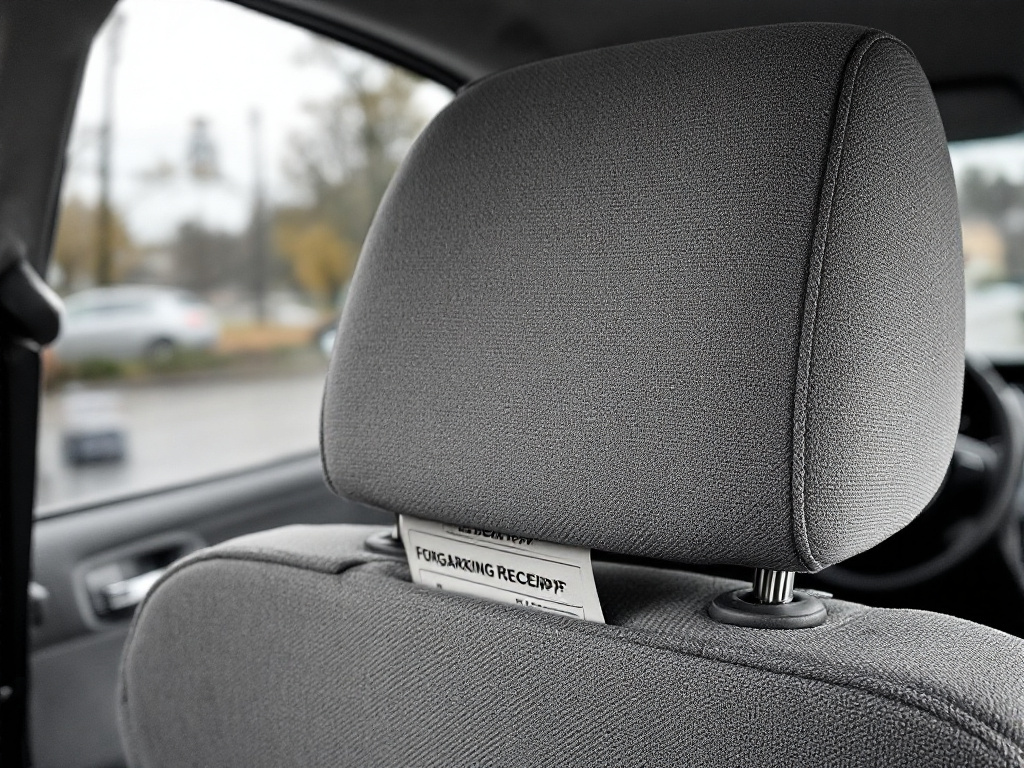
Chiropractic Care After a Car Accident: What to Expect and Why It Matters
If you were recently in a car accident and you’re wondering whether you need to see a chiropractor, here’s the short version: getting checked tells you where you stand, even if you feel okay right now. Some injuries from a crash show up hours or days later. Florida’s PIP coverage also has a 14-day window that matters for accident-related care. This guide walks through what a chiropractor actually does, how the insurance side works, and what honest recovery looks like.
We’re Taylor-Made Health & Wellness in Clermont, FL, and we treat auto-injury patients every week. This isn’t medical or legal advice. It’s plain-language guidance to help you decide your next step.
You might feel fine right now — here is why that does not always mean you are uninjured
You walked away from the crash, so you figure you’re fine. That’s a reasonable thought. It’s also one of the most common reasons people skip a checkup and end up hurting later.
Here’s what’s happening in your body. Right after impact, adrenaline floods your system and masks pain. As that wears off and inflammation builds, symptoms often surface 24 to 72 hours later, sometimes longer. The American Chiropractic Association notes that whiplash and soft-tissue injuries frequently present with delayed symptoms, which is why an early evaluation matters even when you feel okay.
The injuries that tend to hide at first include whiplash, soft-tissue strain in the neck and back, and mild concussion. We can’t tell you that you have any of these without an exam. That’s the point. Getting checked gives you a clear answer either way.
There’s also a real timeline. Florida’s no-fault law requires you to begin treatment within 14 days of the accident to preserve PIP coverage, according to Florida Statute 627.736. That rule may change under pending legislation, so the underlying advice holds regardless: documenting your injury early protects you. Coming in doesn’t guarantee we’ll find a problem. It tells you where you stand.
What a chiropractor actually does after a car accident
A chiropractor after a car accident evaluates and treats musculoskeletal injuries: spinal joints, muscles, ligaments, and nerve irritation caused by the impact. The first visit centers on finding out what’s actually going on before any treatment happens.
Here’s how a first visit tends to go with us:
- Intake and conversation. You tell us about the accident and how you’re feeling now.
- Physical and orthopedic exam. We check range of motion, tender areas, and how your spine is moving.
- Imaging referral if warranted. If the exam suggests we need X-rays or more, we send you out for them.
- Findings explained in plain words. We tell you what we found before we recommend anything.
Chiropractic care addresses spinal alignment, soft-tissue injury, and nerve irritation from displaced vertebrae. It does not treat everything. Fractures, surgical cases, and neurological red flags fall outside our lane, and when we see those signs, we refer you to the right specialist. Naming that openly is part of the job.
We won’t promise a pain-free outcome or a fixed timeline. From our experience, many patients respond well to care, and every injury is different. Your treatment plan includes a set frequency, an expected duration, and re-evaluation points, so you know there’s a structure and not an open-ended commitment.

How the insurance and paperwork side works — so you do not have to figure it out alone
Florida PIP covers chiropractic care for accident-related injuries, and we handle the insurance billing and the paperwork for you. That’s the direct answer to the question most people are really asking: will this cost me anything?
PIP, or Personal Injury Protection, is the medical coverage built into your Florida auto policy. It’s designed for exactly this situation. According to the Florida Department of Financial Services, every Florida driver is required to carry at least $10,000 in PIP coverage, which pays a portion of medical costs after a crash regardless of fault.
We bill your PIP insurance directly, and we’ll explain any balance before your care starts. We’ll bill your policy directly. If something falls outside coverage in an edge case, we’ll tell you before it happens rather than surprise you with a bill.
If you have an attorney, we work alongside the legal process and send records promptly. Your care is based on your injury and your exam findings, not on anything to do with a case outcome. We treat what’s there, we document it properly, and we’re honest about what’s outside our scope.
Come in, tell us what happened, and we’ll walk you through the coverage side in plain words. In English or in Spanish, whichever you prefer.
Same-day and walk-in appointments: what getting seen quickly actually looks like
Getting seen quickly after a car accident matters for two real reasons: medical and documentation. Early evaluation creates a clear record connecting your symptoms to the crash. Wait too long, and it gets harder to link what you’re feeling to the accident, both clinically and for your records.
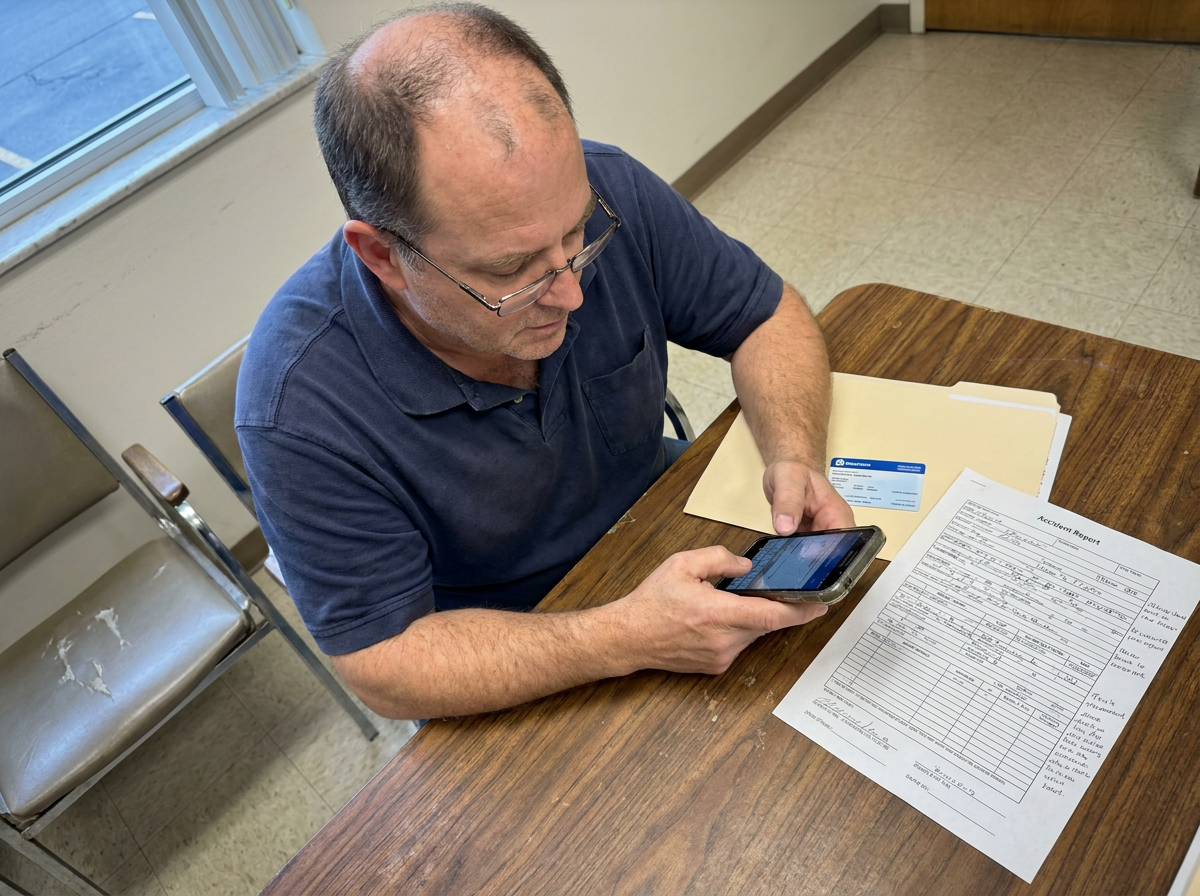
When you come in as a new accident patient, bring what you have: your insurance card, the accident report if you’ve got it, and your attorney’s contact if one is involved. Don’t worry if you’re missing something. We’ll work with what you bring.
The first visit usually runs about 45 minutes to an hour. Here’s what happens when you arrive:
- We get your intake information and talk through the accident.
- We examine you and explain what we’re checking and why.
- We go over what we found before recommending any treatment.
Walking into a new clinic when you’re hurting and anxious is hard. You won’t be rushed here. Someone explains each step before it happens, and you can ask questions at any point. Appointments are available in English and in Spanish with a real bilingual provider, not a script read off a card.
We’re not going to pressure you. The medical and coverage reasons to be seen soon are real, and they stand on their own.
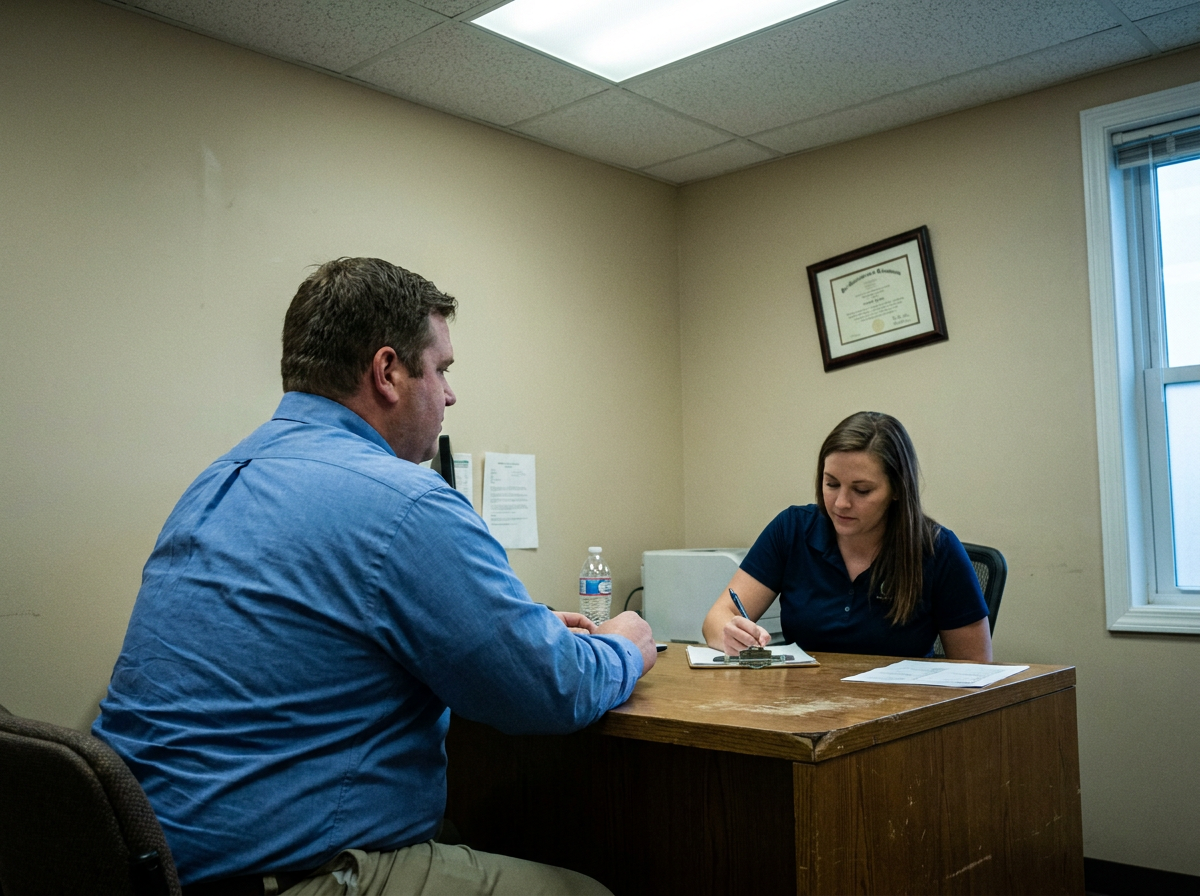
Whiplash, neck pain, and back pain after a crash: what the research and clinical experience show
Whiplash is a neck injury caused by the rapid back-and-forth motion of the head during a crash, most often in rear-end collisions. That whip motion strains the cervical ligaments, muscles, discs, and nerves. The pain is real even when an X-ray or MRI looks normal, because soft-tissue damage doesn’t always show on standard imaging.
The Mayo Clinic describes whiplash symptoms including neck pain and stiffness, headaches at the base of the skull, and reduced range of motion, often appearing within days of the injury. That’s the delayed-onset pattern again.
Injuries tend to move through stages. Acute is the first few days to weeks, when inflammation is highest. Subacute follows as things start to settle. Knowing where you are helps set realistic expectations.
Chiropractic adjustment and soft-tissue work aim to restore normal joint motion, reduce muscle guarding, and ease nerve irritation. We don’t overclaim what that produces. Results vary.
Back pain deserves its own note. Muscular strain and disc involvement are different problems, and they need different approaches. The initial exam is built to tell which one you’re dealing with before any treatment starts.
What to expect throughout your recovery — not just the first visit
Recovery from an auto injury follows an arc: initial evaluation, an early treatment phase, re-evaluation, then discharge or a transition to maintenance care if it makes sense for you. It’s a process with checkpoints, not a mystery.
Timelines vary. Injury severity, your overall health, and how consistently you make your appointments all shape how long it takes. No two injuries are the same, so we won’t hand you a preset number and call it a plan.
Re-evaluation is where we measure progress. We recheck range of motion, pain levels, and function. If you’re improving, we may adjust the plan. If progress stalls, we look at why and change course, which can include referring you out.
So how many visits? For common whiplash and strain cases, a course of care might run a few weeks to a couple of months, but your exam findings drive that, not a number we picked in advance.
At discharge, you’ll know what your body can do, what to watch for, and whether any ongoing care makes sense. General wellness or maintenance visits are a separate thing from accident-related treatment, and we’ll be clear about which is which.
What we can help with — and what is outside our scope
We treat whiplash, cervical and lumbar strain, headaches with a musculoskeletal origin, mild concussion co-management, and nerve irritation from spinal misalignment. These are the injuries we see most from car accidents, and they respond to the kind of care we provide.
Some things need a referral or shared care with another provider. Here’s where we send you out:
- Suspected fractures
- Surgical candidates
- Moderate to severe traumatic brain injury
- Internal injuries
- Psychological trauma from the crash
Spotting these and getting you to the right person is part of our job, not a failure of it.
A provider who tells you plainly what they can’t do is the one whose findings about what they can do you can actually trust. That’s why this section exists. We’re not going to stretch our scope to sound like a one-stop shop. Accuracy is the whole point.
Key takeaways
- Feeling fine after a crash doesn’t mean you’re uninjured. Whiplash and soft-tissue symptoms often appear 24 to 72 hours later.
- Florida PIP requires treatment to begin within 14 days of the accident to preserve coverage. This rule may change under pending legislation, so early documentation protects you either way.
- A first visit is exam-first: intake, physical and orthopedic exam, imaging referral if needed, then findings in plain words before any treatment.
- Florida PIP covers accident-related chiropractic care. We bill your PIP insurance directly, and we’ll explain any balance before your care starts.
- Recovery timelines vary. Your exam findings drive the plan, not a preset number of visits.
- Care is available in English and Spanish with a real bilingual provider.
Frequently asked questions
How soon should I see a chiropractor after a car accident?
Sooner is better, both medically and for your records. Symptoms like whiplash often appear 24 to 72 hours after impact, and early evaluation documents the injury clearly. Florida PIP also requires treatment to begin within 14 days of the accident to preserve coverage, per Florida Statute 627.736.
Does chiropractic care after a car accident cost me anything?
Usually not while your PIP claim is open. Florida PIP covers accident-related chiropractic care, and we bill your policy directly and handle the paperwork. If anything falls outside coverage, we’ll tell you before it happens rather than surprise you with a bill.
What if I feel fine after the accident?
Feeling fine is common because adrenaline masks pain right after a crash. Getting checked doesn’t mean we’ll find a problem. It tells you where you stand either way, and it creates a record early while symptoms are still connectable to the accident.
What does whiplash treatment involve?
It starts with an exam to find out what’s injured. Care may include chiropractic adjustment and soft-tissue work aimed at restoring joint motion, reducing muscle guarding, and easing nerve irritation. Timelines vary by injury, so the plan is set by your exam findings and adjusted at re-evaluation points.
Do you offer appointments in Spanish?
Yes. Appointments are available in English and Spanish with a real bilingual provider, not a translated script. Spanish-first patients can reach us by WhatsApp to start the conversation.
Before you go
If you were recently in an accident, the most useful thing you can do is get checked, calmly, so you know what’s going on in your body. That’s true whether you feel fine or you’ve already started hurting.
Come in, tell us what happened, and we’ll walk
Hurt in a car accident? Learn about our car accident chiropractic care in Clermont, including same-day exams and help with your PIP claim.