
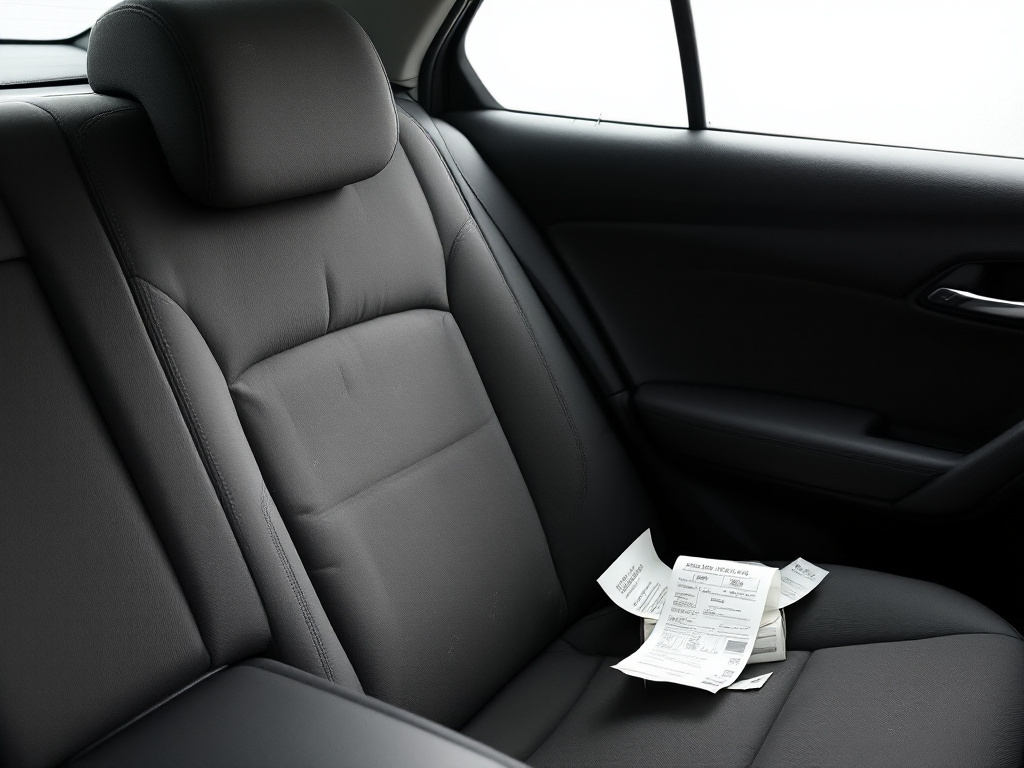
Chiropractic Care After a Car Accident: What to Expect and How It Works
After a car accident, the most useful first step is a calm check on how your body is doing, before the pain has fully shown up and before the paperwork piles on. Chiropractic care after a car accident helps assess and treat the soft-tissue and joint injuries that crashes commonly cause, like whiplash and neck or back strain. This guide walks you through what that care actually involves, how Florida PIP insurance covers it, and how we handle the parts you’d rather not think about.
Dr. JP Silvera runs Taylor-Made Health & Wellness in Clermont, FL, treating auto-injury patients in English and Spanish. What follows is the plain version, the kind he’d give a friend.
This article is educational and not a substitute for a personal medical evaluation.
Why you might feel fine right now and still be injured
Feeling okay after a crash is normal, and it doesn’t mean you’re overreacting by getting checked. Adrenaline and inflammation follow their own clock. Pain from a car accident often surfaces 24 to 72 hours after impact, sometimes later. The American Chiropractic Association notes that whiplash symptoms frequently appear a day or more after the event.
Here’s what we hear a lot: “I walked away, I feel fine, so I’m probably good.” That’s a fair read. It’s also how whiplash tends to hide.
The injuries most likely to show up late are soft-tissue ones. Strained muscles and ligaments in the neck and upper back. Mild concussion symptoms. Headaches that start the next morning and won’t quit. The Mayo Clinic lists neck stiffness, headaches at the base of the skull, and fatigue among whiplash signs that can lag behind the crash.
None of this means you’re definitely hurt. It means getting checked is worth it, so you know where you stand instead of guessing.
What chiropractic care actually does for car accident injuries
Chiropractic care after a car accident supports your body through healing when joints and muscles have been forced out of their normal range. The tools are spinal manipulation, soft-tissue work, and guided movement. The goal is to reduce pain and restriction and help you move more accurately while you recover, not to “fix” anything overnight.
In the auto-injury setting, chiropractors are trained to assess and treat a specific set of problems. Whiplash-associated disorder. Cervical and lumbar strain, meaning stretched or torn muscles in your neck and lower back. Headaches that come from tight, irritated muscles rather than something deeper. Restricted range of motion, which is just your body guarding an area that hurts.
Some things sit outside what chiropractic can do, and we’ll say so plainly. Fractures. Vascular injury, meaning damage to blood vessels. Neurological conditions that need imaging or a specialist. Those need a different kind of care, and naming that limit is part of the job.
The National Institutes of Health recognizes conservative approaches like manual therapy and exercise among common treatments for neck strain. From our experience, this is what tends to help most people move through recovery.
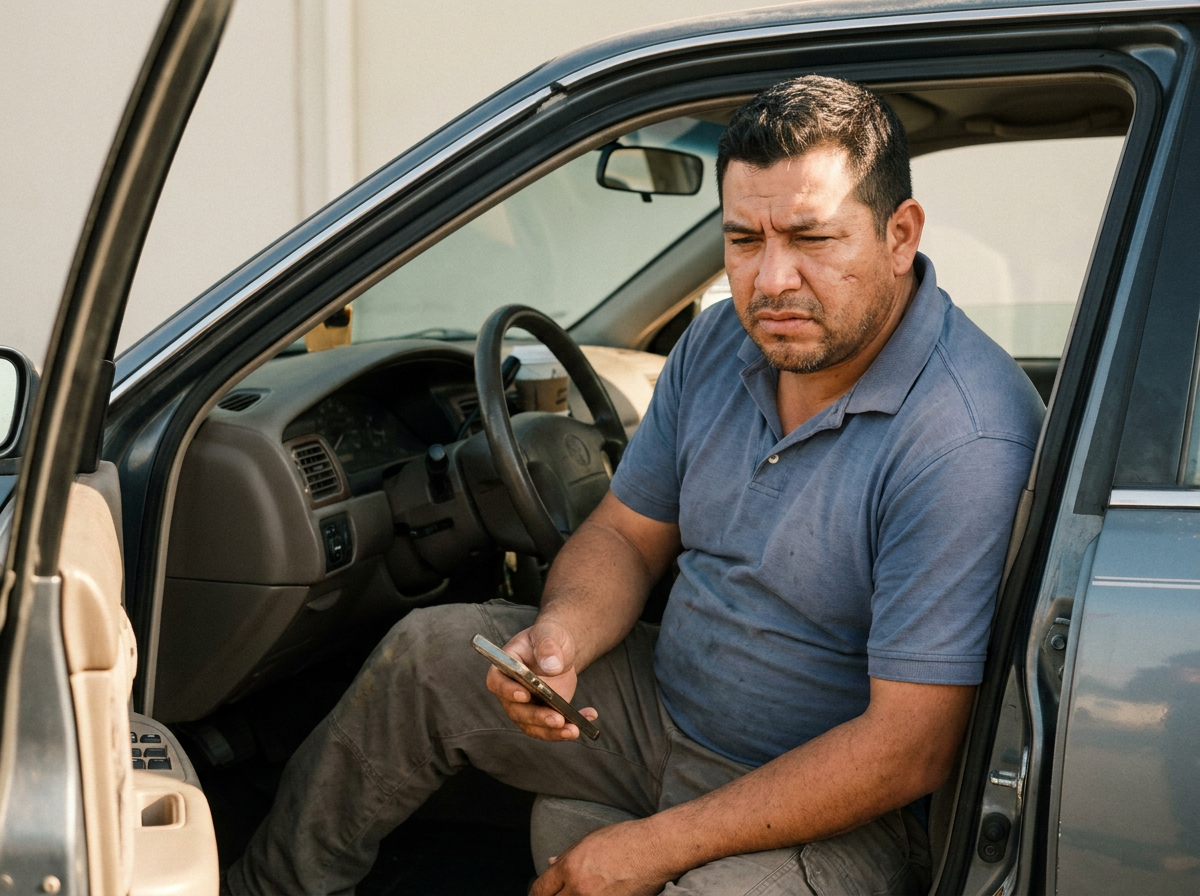
What happens at your first visit
Your first visit walks through four steps: an intake conversation, a physical exam, an explanation of what we found in plain words, and a discussion of a care plan. You leave understanding what’s going on, not holding a stack of jargon.
It starts with a conversation. We ask what happened in the accident and how you’re feeling now, where it hurts, when it started, what makes it worse. Then a hands-on exam to check your range of motion, tender spots, and how your neck and back are moving.
After that, Dr. JP explains his thinking out loud. Not just “here’s your diagnosis,” but how he got there and why a particular approach makes sense for what he found. If a term like cervical facet joint comes up, meaning one of the small joints in your neck, he’ll define it right then.
This isn’t in-and-out. But visits are structured, and you’ll know how long they run. And you won’t be pushed into a long commitment on day one. We explain the plan, answer your questions, and go from there.
How PIP insurance and paperwork work
Most Florida drivers carry Personal Injury Protection, or PIP. It covers medical treatment after a car accident regardless of who caused it, up to your policy limit. The standard minimum in Florida is $10,000, according to the Florida Department of Highway Safety and Motor Vehicles. For a lot of people, that coverage is their whole medical cushion.
We handle the insurance billing and the paperwork. You don’t manage that process. That’s ours.
“Will I get a bill?” is the question everyone asks, so here’s the honest answer. When PIP applies, it covers eligible treatment up to your limit. If your coverage runs out or doesn’t apply to your situation, we tell you before that becomes a surprise. No hidden math.
Florida’s no-fault rules have been under review, so timelines can shift. Whatever the procedural details, the real point stays the same: getting your injury documented accurately protects your health first. We keep clean, honest records of what we find and what we treat. That’s the whole approach.
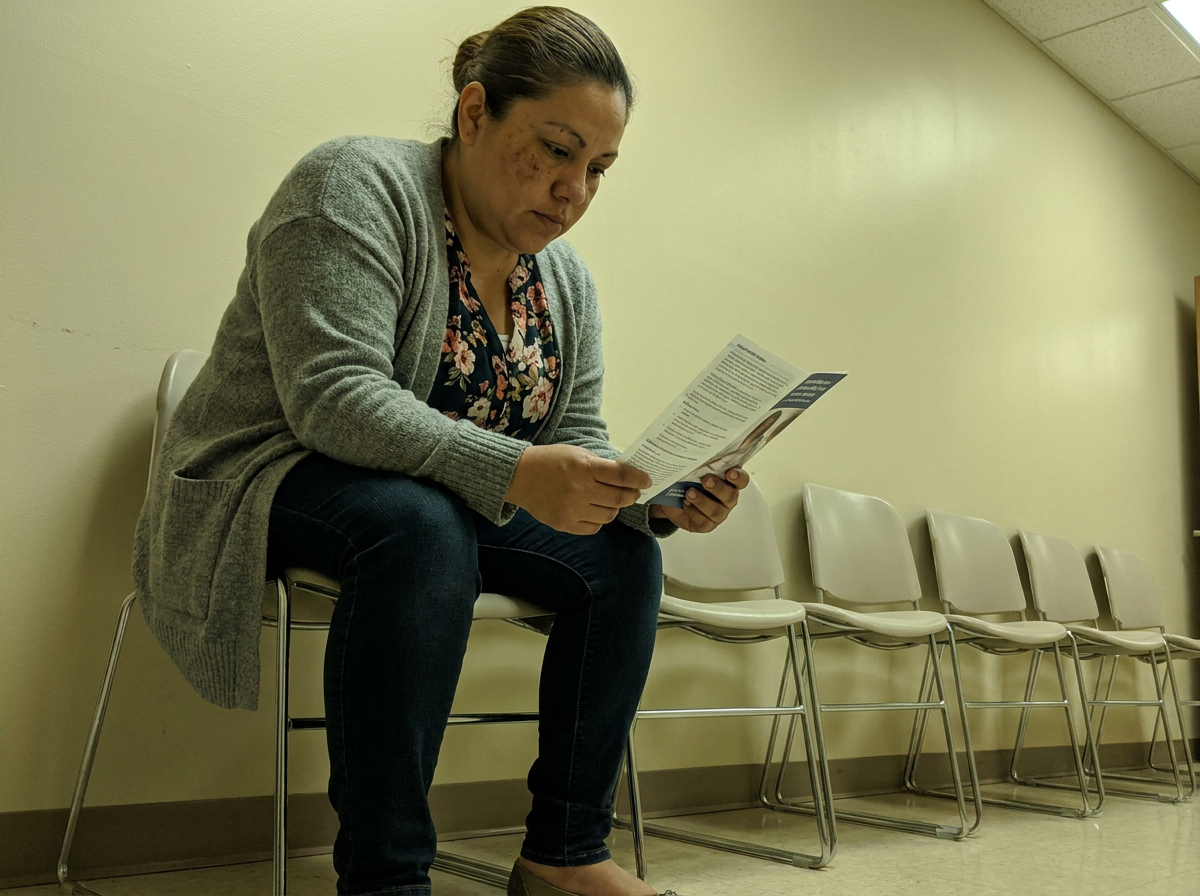
How long treatment takes and what progress looks like
Treatment length varies, because soft-tissue injuries from car accidents heal on different timelines. Some people feel much better in a few weeks. Others need longer. We won’t hand you a fixed number and pretend recovery is that tidy.
What we track is concrete. Your pain levels. Your range of motion, meaning how far you can turn and bend without it hurting. And how you’re doing with everyday things, like sleeping, driving, or lifting your kid.
People often ask why a single adjustment isn’t enough. The short version: after a crash, muscles and joints have been strained and your body is inflamed and guarding. It takes repeated, steady work over time for tissue to calm down and movement to come back. One visit rarely gets you there.
Some injuries take longer than others, and we won’t guarantee a timeline we can’t stand behind. The plan is built around you and how you’re actually healing, at your own pace, not around a billing cycle.
What we can help with and what’s outside our scope
Chiropractic care helps with the musculoskeletal injuries a crash tends to cause. It does not cover everything, and knowing the line is what keeps you safe. Some presentations need another provider, and we’ll send you there without hesitation.
Here’s what would prompt a referral rather than treatment with us:
- Suspected fracture, meaning a possible broken bone
- Neurological deficit, like numbness, weakness, or loss of function
- Vascular symptoms, meaning signs of a blood vessel problem
- Significant head injury beyond mild concussion
Chiropractic assessment can identify a lot, but it can’t diagnose everything on its own. When findings point to something that needs an X-ray, MRI, or a specialist, that’s what we recommend. The Cleveland Clinic notes that imaging is used to rule out fractures and other damage when symptoms warrant it.
This is the part a lot of clinics skip, and it’s the part that matters most. If we can help, we’ll show you how. If we can’t, we’ll tell you that too, and point you to the right person.

Care in English or Spanish, whichever works best for you
We serve Spanish-speaking patients natively. Not through a translation app, not through whichever staff member happens to be free. Dr. JP and the team care for you directly in the language you’re most comfortable in.
In Clermont and greater Orlando, that matters. Roughly half our patients are Spanish-first, and being hurt, anxious, and trying to follow medical explanations in a second language is a lot to carry. You shouldn’t have to.
If you’d rather reach us by WhatsApp, that channel is open. Message us, tell us what happened, and we’ll take it from there.
This is standard care here, not a special feature. Estamos aquí para ayudarle.
Key takeaways
- Pain after a car accident often shows up 24 to 72 hours later, so feeling fine at first doesn’t rule out injury.
- Chiropractic care after a car accident treats whiplash, neck and back strain, and related headaches through manipulation, soft-tissue work, and guided movement.
- Your first visit covers intake, exam, a plain-language explanation of findings, and a care plan, with no pressure to commit long-term on day one.
- Florida PIP covers medical treatment after a crash regardless of fault, up to your policy limit (commonly $10,000), and the practice handles the billing.
- Treatment length varies by injury; progress is tracked through pain, range of motion, and daily function.
- Fractures, neurological, vascular, and significant head injuries fall outside chiropractic scope and prompt a referral.
- Care is available natively in English and Spanish, with WhatsApp as a contact option.
Frequently asked questions
How soon after a car accident should I see a chiropractor?
Getting checked within a few days is reasonable, since delayed-onset pain from whiplash often appears 24 to 72 hours after impact. Seeing someone early also gets your injury documented accurately while symptoms are fresh. There’s no need to rush in a panic, but there’s real value in not waiting weeks.
Does chiropractic care after a car accident hurt?
Most people find treatment tolerable, though a strained, inflamed area can feel tender during and briefly after a session. Dr. JP explains what each technique does before doing it and adjusts based on how you respond. If something is too much, you say so, and the approach changes.
Will PIP insurance cover my chiropractic treatment in Florida?
Florida PIP covers eligible medical treatment after a car accident regardless of fault, up to your policy limit, commonly $10,000. The practice handles the billing and paperwork. If coverage runs out or doesn’t apply to your case, we tell you before it becomes a surprise.
How many chiropractic visits will I need after an accident?
It varies, because soft-tissue injuries heal on different timelines. A single adjustment usually isn’t enough, since inflamed, guarded tissue needs steady work over time. The plan is built around your recovery and reviewed as your pain and range of motion improve, not set to a fixed count upfront.
Can a chiropractor tell if something serious is wrong?
A chiropractic exam can identify many crash-related injuries and flag signs that something needs more attention. It can’t diagnose everything alone. When findings point to a possible fracture, nerve problem, or head injury beyond mild concussion, we recommend imaging or a specialist referral.
Before you go
Here’s the simplest way forward. Come in, tell us what’s going on, and we’ll walk you through it one step at a time. We handle the insurance and the paperwork, so that’s off your plate. In English or Spanish, whichever works best for you.
If Spanish is easier, message us on WhatsApp and we’ll take it from there. No rush, no pressure. We’re here to help.
This content is for general education and is not medical or legal advice. For a diagnosis and treatment plan specific to your situation, schedule a personal evaluation.
Hurt in a car accident? Learn about our car accident chiropractic care in Clermont, including same-day exams and help with your PIP claim.