
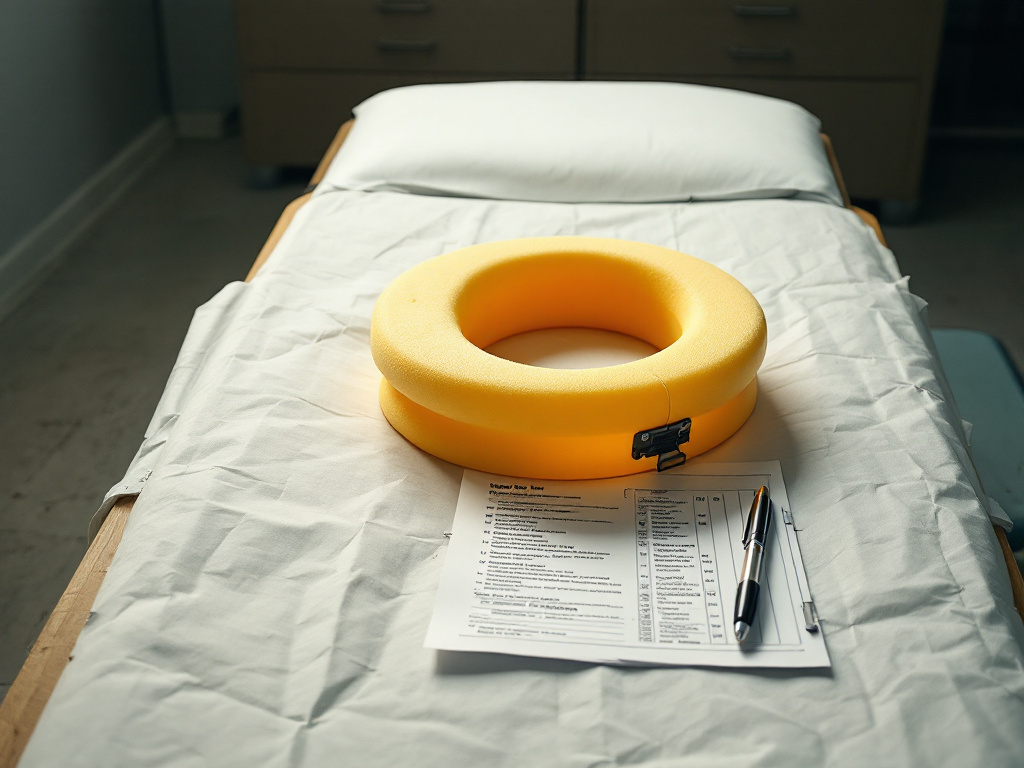
After a Car Accident, Here Is What to Do First
You walked away from a crash, checked yourself over, and felt mostly okay. Then a day or two later your neck stiffened up, or a headache settled in that won’t leave. That sequence is one of the most common things we see. Here’s what to do first: get checked, calmly, so you know where you actually stand. This page walks through why delayed pain happens, what a chiropractic visit involves, how Florida’s coverage timing works, and what’s inside our scope and what isn’t.
We’re a personal-injury chiropractic practice in Clermont, and we treat what’s there, document it honestly, and tell you the truth about what we find.
This is general health information, not medical or legal advice. For advice about your specific injury or claim, talk to a provider or attorney directly.
Why your body might feel fine right now
Feeling fine after a crash is common, and it doesn’t mean nothing happened. In the minutes after a collision, your body floods with adrenaline and other stress hormones. That surge masks pain. It’s your body’s way of getting you through the emergency. As it wears off over the next hours and days, the pain it was hiding starts to show up.
Whiplash works this way a lot. It’s a rapid back-and-forth motion of the neck that strains the muscles, ligaments, and soft tissue. The inflammation from that strain builds gradually. According to the American Academy of Orthopaedic Surgeons, whiplash symptoms often appear within the first few days after an injury rather than immediately, and can include neck pain, stiffness, headaches, and dizziness.
So the timeline most people describe, feeling okay at the scene and hurting 24 to 72 hours later, isn’t strange. It’s how soft-tissue injury tends to behave. Getting evaluated early means someone can find what’s there before it settles in.
What chiropractic care actually involves after an accident
Chiropractic care after an accident starts with information, not treatment. The first visit is an intake conversation about what happened and how you’re feeling, followed by a physical exam. We check your cervical spine (neck) and lumbar spine (lower back), your range of motion, the soft tissue around the injury, and basic neurological signs. If imaging like an X-ray is warranted, we’ll explain why before ordering it.
An adjustment is a controlled, targeted movement applied to a joint to improve motion and reduce irritation. That’s what it is. It isn’t a cure-all, and we won’t tell you it fixes everything. According to the National Center for Complementary and Integrative Health, spinal manipulation is used mainly for musculoskeletal pain such as back and neck pain, and evidence supports it for some of those conditions.
Some things sit outside what a chiropractor should handle alone. If your exam points to something that needs imaging we don’t do, a specialist, or a surgical opinion, we’ll say so and point you to the right person. That referral isn’t us backing away. It’s part of doing the job right.
The 14-day window in Florida and why it matters for your coverage
In Florida, drivers with Personal Injury Protection (PIP) coverage generally need to seek medical treatment within 14 days of a car accident to use those benefits for accident-related injuries. PIP is the no-fault portion of Florida auto insurance, and the standard minimum is $10,000. According to the Florida Department of Highway Safety and Motor Vehicles, Florida law requires PIP coverage for most registered vehicles.
That 14-day timing is a real reason to get evaluated early, and it’s a practical one, not a scare tactic. If you wait past the window, you may lose access to those benefits for the injury.
One honest note: Florida’s no-fault system has been the subject of ongoing legislative debate, and the rules could change. If they do, the medical reason to get checked early doesn’t go anywhere. Early documentation still protects your health and your record. We handle the PIP billing and paperwork for you either way, so that part isn’t yours to untangle.
What to bring and what to expect at your first visit
Bring your auto insurance information, the date and basic details of the accident, and any records from the ER or urgent care if you went. A photo ID helps too. That’s most of it. If you don’t have everything, come anyway and we’ll sort out what’s missing.
Expect an unhurried visit. We don’t rush people through a line. When it’s your turn, you have our full attention, and we’ll explain what we find in plain words as we go.
On the money question, which we know is on your mind: we handle the PIP paperwork, and you won’t be handed a surprise bill for care your coverage takes care of. If something falls outside coverage, we’ll tell you before, not after.
You can be seen and spoken with in English or Spanish, with a real bilingual person, not a translated script read off a page. And before you leave, we’ll ask if we addressed everything. If you have a question before you even come in, reach out and ask it.
Common injuries we see and what treatment looks like
After a car accident, the injuries we see most are whiplash, neck and upper back pain, lower back strain, post-accident headaches, and mild concussion symptoms. Here’s how each tends to present and what the approach involves.
| Injury | How it often shows up | What care usually involves |
|—|—|—|
| Whiplash | Neck stiffness, reduced motion, headaches, sometimes days later | Exam, gentle mobilization, soft-tissue work, guided motion |
| Upper/lower back strain | Aching, tightness, pain with certain movements | Assessment, targeted adjustment, rehab-style exercises |
| Post-accident headaches | Tension-type or neck-origin headaches | Evaluating neck involvement, treating the source |
| Mild concussion symptoms | Fog, dizziness, light sensitivity, fatigue | Screening, and co-management with other providers |
For concussion or mild TBI, we’re careful about scope. Chiropractic care can play a role in some neck-related symptoms, but concussion often needs co-management with a physician or specialist, and we’ll say so plainly when that’s the case.
From our experience, matching the approach to the specific injury pattern works better than a one-size plan. That’s the reasoning behind treating what’s actually there instead of running everyone through the same routine.
How this works if you have an attorney or are still figuring that out
Some patients arrive already referred by an attorney. Others haven’t spoken to anyone legal yet and aren’t sure whether they should. Both are completely fine. You don’t need a lawyer to be evaluated, and having one doesn’t change how we treat you.
The medical side is independent of legal strategy. We assess the injury, not the case. Our job is to figure out what’s going on with your body and document it accurately.
When you do have an attorney, we communicate with the firm and its case managers clearly and on time. Records, exam findings, and progress notes are thorough and written to hold up. According to the American Chiropractic Association, accurate documentation of a patient’s condition and care is a core part of clinical practice.
What we won’t do is tell you what to do legally. That’s not our lane. We treat the injury, and we document what we find honestly. That’s the whole approach.
What we can help with and what is outside our scope
Chiropractic care is a good fit for many common auto-injury problems: whiplash, neck and back strain, soft-tissue injury, reduced range of motion, and many post-accident headaches. If that’s what your exam shows, we can usually help, and we’ll walk you through how.
Some things need a different or additional provider, and we’ll say so directly. That list includes suspected fractures, severe or worsening neurological symptoms, anything that may need a surgical opinion, and the mental-health effects of a traumatic crash. According to the Mayo Clinic, severe whiplash symptoms like weakness, numbness, or spreading arm pain warrant prompt medical evaluation.
Naming these limits isn’t an apology. It’s part of good care. A clinic that claims to fix everything is the one to be careful with.
If something is outside what we do, we won’t leave you holding it. We’ll point you to the right person and, where it helps, coordinate so you’re not starting over from scratch.
Key takeaways
- Feeling fine after a crash is common. Adrenaline masks pain, and whiplash symptoms often surface 24 to 72 hours later.
- The first visit is mostly information: an exam, plain-language findings, and imaging only if warranted.
- Florida PIP generally requires treatment within 14 days of an accident to access those benefits. We handle the billing and paperwork.
- You can be seen and spoken with in English or Spanish, with a real bilingual person.
- We treat what’s there and name what’s outside our scope, including when concussion or a possible fracture needs another provider.
Frequently asked questions
How soon should I see a chiropractor after a car accident?
Getting evaluated within the first few days is a good idea, even if you feel okay. Delayed-onset pain from whiplash often appears 24 to 72 hours after a crash. In Florida, PIP benefits generally require treatment within 14 days of the accident to cover accident-related injuries.
Will I get a bill if I come in after an accident?
For care covered by your PIP benefits, we handle the paperwork and billing, and you won’t be handed a surprise bill for covered treatment. If anything falls outside your coverage, we’ll tell you before treatment, not after, so there are no surprises.
Can I be treated in Spanish?
Yes. You can be seen and spoken with in Spanish by a real bilingual person, not a translated script. About half of our patients are Spanish-first, and we treat that as native to how we work, not an add-on.
Do I need an attorney before I come in?
No. You can be evaluated whether or not you’ve spoken to an attorney. The medical evaluation is independent of any legal strategy. We assess and document your injury, and we don’t advise you on legal decisions.
What if my injury is outside what a chiropractor treats?
We’ll tell you plainly and point you to the right provider. Things like suspected fractures, severe neurological symptoms, or a need for surgical evaluation call for a different specialist, and we’ll help you get there rather than treat outside our scope.
Before you go
Here’s the simple next step. Come in, tell us what’s going on, and we’ll walk you through it one step at a time. We handle the insurance paperwork. We’ll be honest about what we find, and honest about anything that’s outside what we do.
If you’d rather start with a message, Spanish-first patients can reach us on WhatsApp, and you can call us the same day. Ask whatever you need to before your visit. We’re here to help.
Hurt in a car accident? Learn about our car accident chiropractic care in Clermont, including same-day exams and help with your PIP claim.