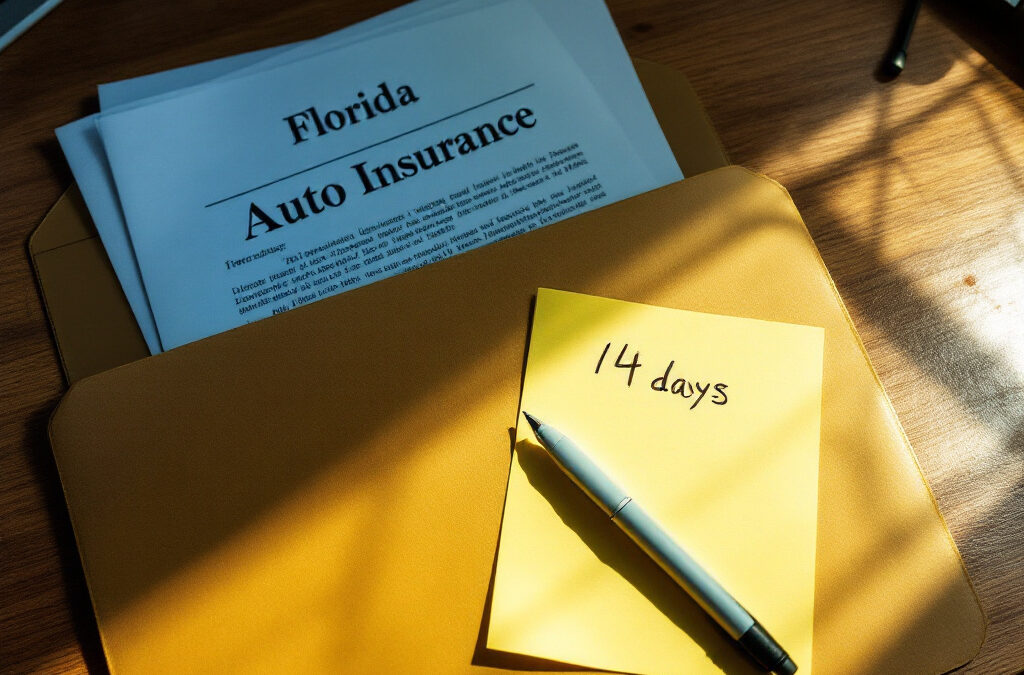
The first few hours after a crash feel like static. You’re shaken, your heart is going, and someone is asking you questions you can’t quite process. Here’s what actually needs to happen in the first 24 hours after a car accident in Clermont, in the order it needs to happen, so you don’t lose options you’ll want later. The short version: get safe, document everything, tell your insurer the same day, and get seen by a provider within 14 days to keep your Florida PIP coverage.
We work with accident patients every week here in Clermont, so we’ve seen where people stumble. Usually it’s the same spot: feeling okay, assuming that means uninjured, and waiting. Let’s walk through it.
Step one: make sure everyone is safe and call 911
Your first job is getting people out of harm’s way, then creating an official record. If your car is drivable and it’s safe, move it out of traffic. If it isn’t, stay put with your seatbelt on and hazards flashing until help arrives.
Call 911 even if the crash looks minor. A police report puts an official record on paper of what happened and when, which matters more than you’d think weeks later when memories and stories start to drift. According to the Florida Department of Highway Safety and Motor Vehicles, crashes involving injury, death, or significant property damage must be reported.
Don’t tell the officer “I’m fine.” You don’t actually know yet. Adrenaline is a real painkiller, and it’s hiding your body’s signals right now. If paramedics offer to check you, let them. Refusing care at the scene can muddy your injury picture later. Get the responding officer’s name and badge number, and ask how to request a copy of the report.
Document the scene before you leave
Before any car moves or anyone drives off, pull out your phone and photograph everything. This is the window that closes fast, and you can’t reopen it.
Here’s what to capture:
- All vehicles from several angles, including damage, license plates, and the road around them
- Traffic signs, signals, skid marks, weather, anything that shows how the crash happened
- Your own visible injuries, if there are any
Then handle the people part:
- Exchange insurance information, driver’s license numbers, and contact details with every driver involved
- Get names and phone numbers of any witnesses before they leave
- Record a quick voice memo or note of what happened while it’s fresh: what you were doing, the direction of impact, any sensations in your body
One more thing. Don’t post about the accident on social media while a claim is open. A casual “I’m okay, just a fender-bender!” can get used against your own injury claim later. Keep it offline.
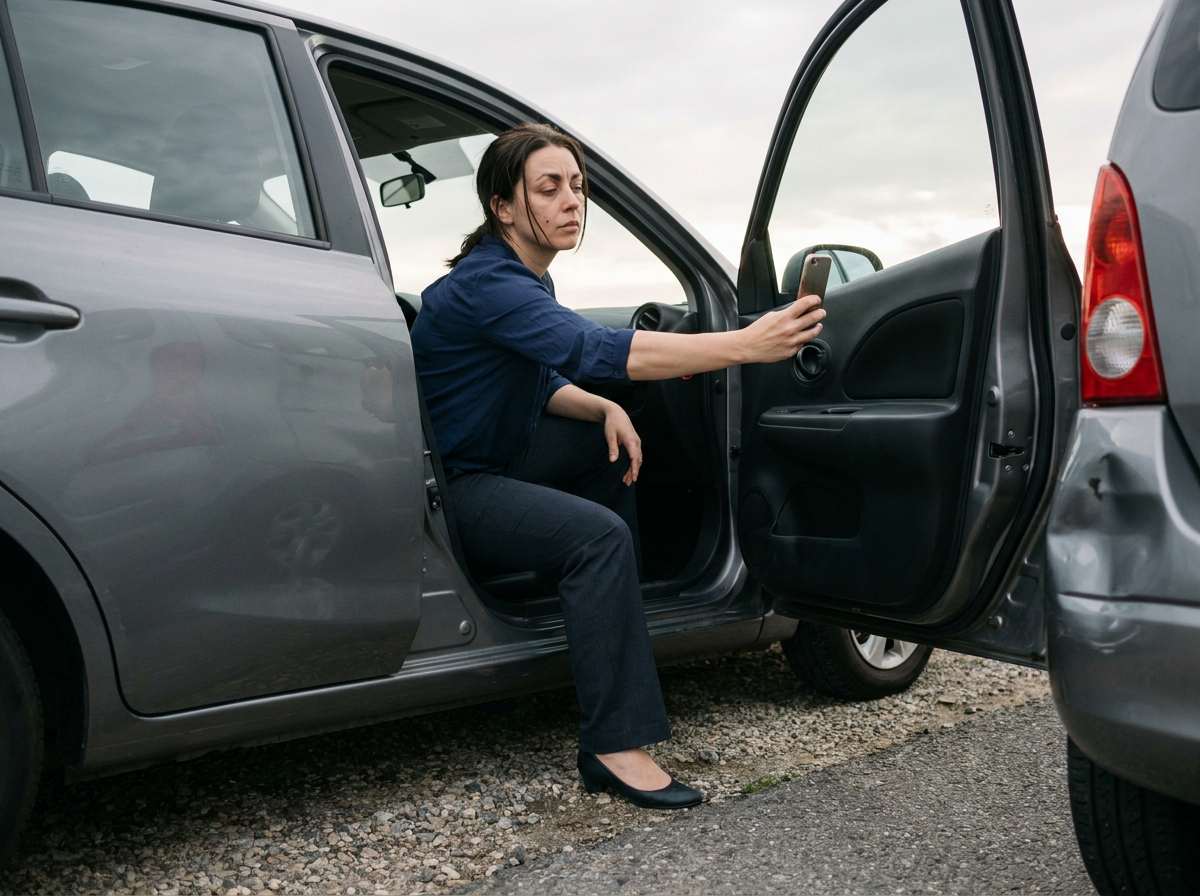
Notify your insurance company the same day
Report the crash to your own insurer the day it happens. Florida is a no-fault state, which means your own PIP coverage pays first no matter who caused the accident. Waiting to call doesn’t help you, and prompt reporting is what your policy expects.
When you talk to them, stick to the facts. What happened, where, and when. Don’t speculate about who was at fault, and don’t describe your injuries in detail before a provider has actually evaluated you. You may feel fine right now and then hurt in two days, so anything you say today could be wrong by Thursday.
Ask your insurer what documentation they’ll need from your treating provider, so you’re not scrambling later. And if the other driver was at fault and turns out to be uninsured or underinsured, ask about your UM/UIM coverage now, while you’ve got them on the phone.
Why the 14-day window matters for Florida PIP
Florida PIP requires that you be seen by a qualified provider within 14 days of the accident to use your PIP benefits. Miss that window, and you can lose coverage you already paid for through your premiums. This is the deadline most people don’t know about until it’s too late.
Here’s what PIP actually covers. According to the Florida Office of Insurance Regulation), Personal Injury Protection pays 80% of reasonable medical expenses up to a $10,000 limit. That benefit only opens up if your first visit happens inside the 14 days.
Read this part carefully: the 14-day rule is about being physically evaluated, not about reporting anything. Being seen by a provider is the trigger. And the reason people miss it is almost always the same. They wait to see how they feel.
The trouble is that whiplash and soft-tissue injuries often don’t show up until 48 to 72 hours after the crash. Feeling okay today tells you very little about where you actually stand. Getting seen is how you find out.
What to watch for in the first 24 hours: delayed symptoms
Your body may stay quiet for a day or two and then start talking. These are the signals worth paying attention to over the first 24 to 72 hours. None of them are reasons to panic. They’re information your provider needs.
Watch for:
- Neck stiffness, shoulder pain, or upper-back tension that wasn’t there right after the crash
- Headaches, especially at the base of the skull, which can be an early sign of whiplash or a mild concussion
- Tingling or numbness in the arms or hands, which can point to nerve involvement
- Trouble concentrating, unusual fatigue, or sensitivity to light, which are worth mentioning to your provider
- Lower-back pain that creeps in over the next day, since the lumbar spine takes a lot of force in rear-end collisions
The Mayo Clinic notes that whiplash symptoms often appear within a day of the injury and can include neck pain, stiffness, headaches, and tingling in the arms. If something on this list shows up, write it down and tell whoever evaluates you.
Getting evaluated: what a first visit actually looks like
A first visit at an auto accident chiropractic office starts with a conversation, not a procedure. You describe how the crash happened and how you’re feeling, in as much detail as you can manage. We listen first. Then the provider examines you, checking range of motion, nerve function, and spots that are painful or tender.
If imaging is needed, your provider explains why and sends you to the right facility. A good office is honest about what sits inside its scope and what doesn’t. If something you’ve got is outside what chiropractic care handles, you should hear that plainly, along with who to see instead. That honesty is the whole point.
On the money side, we keep it straightforward. We bill your PIP insurance directly, and we’ll explain any balance before your care starts, so nothing surprises you. If you’re working through a auto accident chiropractor in Clermont with a letter of protection (LOP) through your attorney, that means your attorney agrees your medical bills get paid from your case settlement.
The goal of that first visit is information. Understand what happened to your body, so that care, if you need it, can be fitted to your actual injury instead of a generic template.
What if I feel completely fine?
You might be. Feeling fine after a minor crash is the most common thing people tell us, and it makes complete sense, because adrenaline is a short-term painkiller doing exactly its job. But soft-tissue injuries like whiplash are routinely invisible to the person who has them for the first day or two.
So the honest answer is this: you may be fine, and getting evaluated is how you find out for sure, one way or the other.
Getting checked doesn’t lock you into a treatment plan. It gives you an accurate picture of your body’s condition, which you don’t have yet. If the exam turns up nothing of concern, that’s real, useful information, and you walk out knowing it. If it does turn up something, you caught it early, inside your PIP window, with time to decide what to do. Either way you come out ahead of guessing.
A simple checklist for the first 24 hours
Here’s the whole thing in one place. Work down the list as you’re able.
- Call 911 and get a police report started
- Photograph the scene, the vehicles, and any visible injuries
- Exchange information with all drivers and collect witness contacts
- Notify your insurance company the same day
- Write down your own account of the crash while the details are fresh
- Watch for delayed symptoms over the next 24 to 72 hours
- Be seen by a provider within 14 days to keep your Florida PIP coverage
- If you have an attorney, keep them in the loop on your treatment, and see the provider for your health first
Serving Clermont, Minneola, Groveland, and Winter Garden, that order has held up across a lot of accident cases. Health first, paperwork handled around it.
Key takeaways
- Call 911 and get a police report, even for a minor crash, so there’s an official record of what happened and when.
- Document the scene with photos and witness contacts before anyone leaves, and keep it off social media.
- Report the accident to your own insurer the same day. Florida’s no-fault system means your PIP pays first.
- Florida PIP requires you to be seen by a provider within 14 days of the accident, and it covers 80% of reasonable medical expenses up to $10,000.
- Whiplash and soft-tissue injuries often take 48 to 72 hours to show up, so feeling fine today doesn’t confirm you’re uninjured.
- A first visit is mostly a conversation and an exam. We bill PIP directly and explain any balance before care begins.
Frequently asked questions
What should I do first after a car accident in Clermont?
Get safe, then call 911. Move your car out of traffic if it’s drivable and safe to do so; otherwise stay put with hazards on. A police report creates an official record of the crash. Accept medical attention if paramedics offer it, and don’t tell anyone you’re fine before you actually know.
How long do I have to see a doctor for Florida PIP?
You have 14 days from the date of the accident to be seen by a qualified provider to access your Florida PIP benefits. This is about being physically evaluated, not reporting the crash. PIP covers 80% of reasonable medical expenses up to $10,000, but only if that first visit happens inside the 14-day window.
Can I be injured and still feel fine right after the crash?
Yes. Adrenaline works as a short-term painkiller and can hide injury for the first day or two. Whiplash and other soft-tissue injuries often don’t produce noticeable symptoms until 48 to 72 hours after the crash. Feeling okay today doesn’t confirm you’re uninjured, which is why getting evaluated matters.
Will I get a bill if I’m treated after an accident?
We bill your PIP insurance directly, and we’ll explain any balance before your care starts. Florida PIP covers 80% of reasonable medical expenses up to $10,000, so there can be a remaining balance. If you have a letter of protection through your attorney, your medical bills are paid from your case settlement instead.
What symptoms should I watch for in the first 24 hours?
Watch for neck stiffness, shoulder or upper-back pain, headaches at the base of the skull, tingling or numbness in the arms or hands, trouble concentrating, fatigue, light sensitivity, and lower-back pain that develops over the next day. These aren’t reasons to panic. They’re details your provider needs to evaluate you accurately.
If you were recently in an accident, you don’t have to sort all of this out alone. Come in, tell us what happened, and we’ll walk you through it one step at a time. We serve Clermont and the surrounding communities, we handle the PIP billing directly, and there’s no rush here. We’re here if you need us.
This article is general information, not medical or legal advice. For guidance about your specific situation, speak with a qualified provider or attorney.