

Hurt in a Car Accident? Here Is What Chiropractic Care Actually Looks Like
You walked away from the crash. Shaken, maybe a little stiff, but standing. Then two or three days later your neck won’t turn the way it used to, and you’re wondering whether you should have gotten checked. That’s a common pattern, and this page walks you through what chiropractic care after an auto accident actually involves: what we look for, how treatment works, who pays, and where our scope ends.
We’re Taylor-Made Health & Wellness in Clermont, Florida. Dr. JP Silvera treats auto-injury patients across Lake County and west Orange every week, in English and Spanish. What follows is the honest version, not a sales pitch.
A quick note before we start: this is general health information, not medical or legal advice. If you have severe symptoms, treat it as an emergency and call 911.
Why your body can feel fine right after a crash
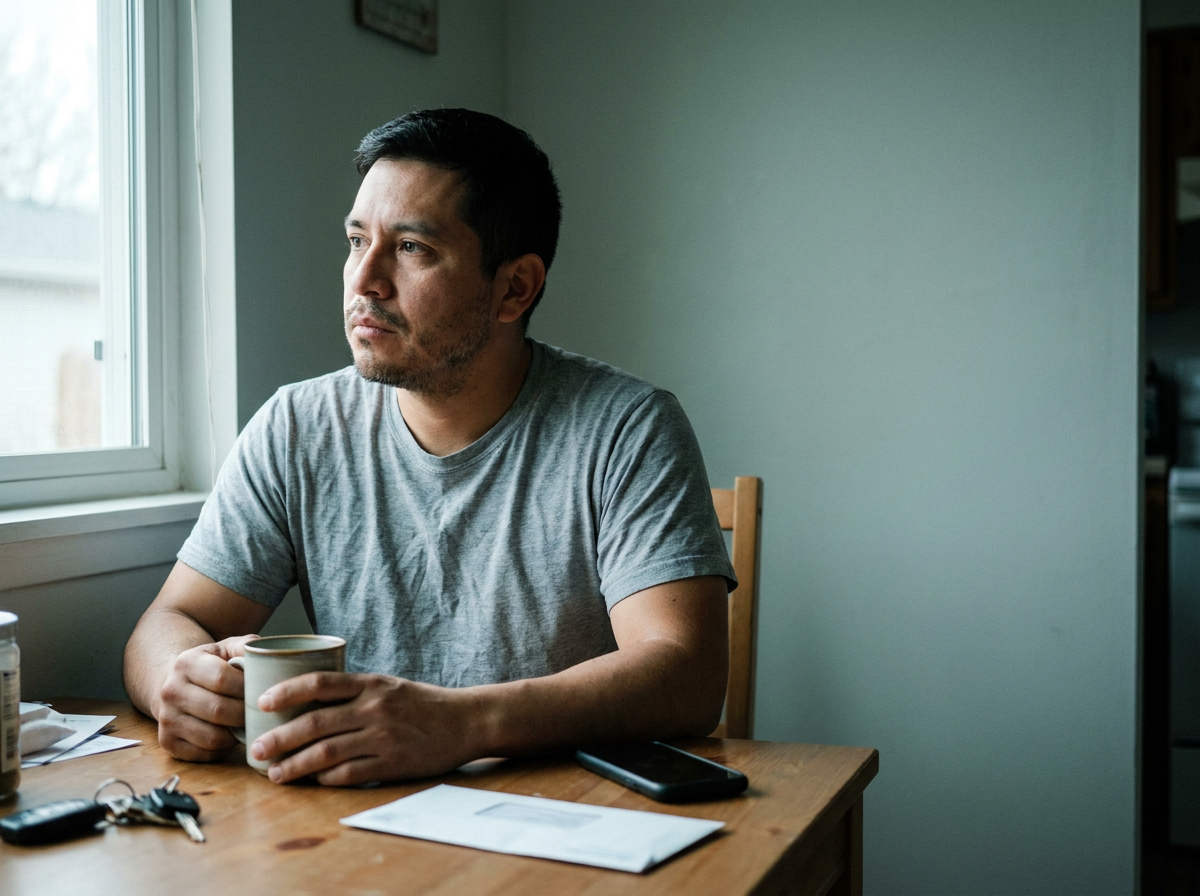
Feeling fine right after a crash doesn’t mean you’re uninjured. A collision floods your body with adrenaline, which blunts pain for hours or even days. Underneath that, inflammation is building in muscles and ligaments that got jerked hard during impact. The pain shows up once the adrenaline fades.
This is how whiplash usually works. Whiplash is a soft-tissue injury to the neck and upper back caused when your head snaps forward and back faster than the muscles can brace for it.
According to Johns Hopkins Medicine, whiplash symptoms can take 24 hours or more to appear and may include neck stiffness, headaches, and dizziness. Some patients don’t feel the worst of it until several days out.
So “I feel okay” and “I wasn’t injured” aren’t the same thing. We’re not saying that to scare you. We’re saying it because the timeline is real, and knowing it helps you make a calm decision instead of a rushed one.
What a chiropractor actually checks for after an accident
A chiropractic evaluation after an accident is a structured exam that looks for injury patterns common to collisions. We check how far you can move your neck and back without pain, feel the soft tissue for tightness and tenderness, run a basic neurological screen, and look at your posture and spinal alignment.
Here’s what we most often see in auto-injury patients, in plain terms:
- Whiplash — strained muscles and ligaments in the neck from the head snapping back and forth.
- Cervicogenic headaches — headaches that start in the neck and refer up into the head.
- Lumbar strain — lower-back muscle and ligament injury from the impact.
- Mild concussion or post-concussion symptoms — headaches, fog, or dizziness after a head jolt.
Some of these sit inside chiropractic care. Some don’t. Chiropractic doesn’t replace emergency medicine, imaging read by a radiologist, or a neurologist’s evaluation. If your exam points to something outside what we do, we tell you and point you to the right person.
The exam isn’t a formality. What we find is what shapes your care plan. We’d rather explain how we got there than just tell you we’ll fix you.
How chiropractic treatment for auto injuries actually works
Chiropractic treatment for auto injuries uses hands-on methods to reduce pain, restore motion, and support soft-tissue healing. For whiplash and strain, that usually means spinal manipulation to improve joint movement, soft-tissue work to ease muscle tightness, and guidance on gentle exercises you do between visits. Some patients get adjunct therapies depending on what the exam shows.
The American Chiropractic Association notes that chiropractic care for musculoskeletal injuries is often built around restoring function and managing pain without medication as the first line.
Now, the honest part about time. Some patients feel real relief in a handful of visits. Others need longer, because the injury was deeper or the healing is slower. We can’t promise a number, and anyone who does is guessing. What we can do is track your progress and tell you where you stand at each stage.
That’s also why we don’t run a fixed visit count. Your care plan is built around your injury, not a template. No two accidents damage the body the same way, so no two plans should look the same. That’s what tailor-made means here. Care fitted to the person, not the billing code.
What to expect at your first visit
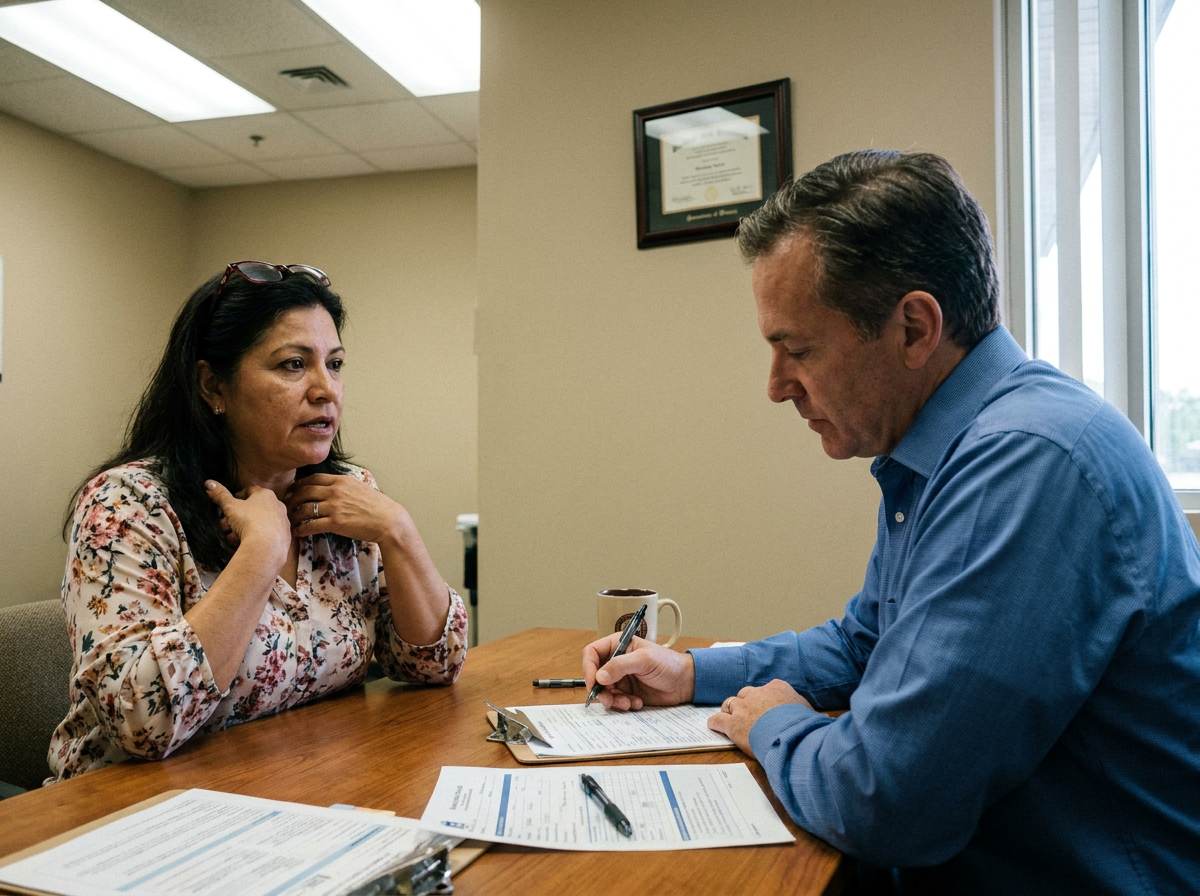
Your first visit is a conversation, an exam, and a plan, in that order. You’ll fill out intake paperwork, then sit down and tell us what happened and how you’ve been feeling. We listen. We ask questions. Then we do the physical evaluation, explain what we found in plain words, and talk through the next steps together before we do anything.
There’s no rush in the room. When it’s your turn, you have the doctor’s full attention. This isn’t a rotating door where you’re processed and moved along.
The visit happens in English or Spanish, whichever you’re most comfortable with. Not a translated script read off a page. A real bilingual conversation, so nothing important gets lost.
If you feel fine but you’re reading this because you’re not sure, that first exam is exactly the low-pressure way to find out where you stand.
Come in, tell us what’s going on, and we’ll walk you through it one step at a time. Spanish-first? Message us on WhatsApp and a real person answers. Estamos aquí para ayudarle.
Who pays for chiropractic care after an auto accident in Florida
In Florida, most auto-accident chiropractic care is covered by Personal Injury Protection, or PIP. PIP is the medical coverage built into your Florida auto policy that pays for accident-related care regardless of who caused the crash. The standard minimum is $10,000 in coverage.
There’s one real deadline you need to know. Under current Florida law, you generally must get medical care within 14 days of the accident for your PIP benefits to apply. That’s stated plainly by the Florida Department of Highway Safety and Motor Vehicles. This is genuine urgency tied to the coverage rules, not a pressure tactic.
A note on timing: Florida’s no-fault system has been the subject of repeal proposals. If the law changes after this is published, the practical advice shifts slightly. Getting your injury documented early still matters, because it protects any claim against the at-fault driver. The reason to be seen doesn’t go away.
On the billing question, plainly: we handle the PIP paperwork and insurance communication so you’re not managing that process alone. If your PIP benefits run out during care, we tell you before you’re surprised by anything, and we go over your options honestly.
We never tie your treatment to a settlement. Care and clear billing is the whole conversation.
What we can help with — and what is outside our scope
Naming our limits out loud is the most useful thing on this page. Here’s the honest breakdown.
What chiropractic care handles well after an accident:
- Whiplash and neck strain
- Cervicogenic headaches
- Neck and back pain from the collision
- Soft-tissue and muscle injury
- Post-concussion symptoms that fall within chiropractic scope
What is outside our scope and needs emergency or specialist care:
- Fractures or suspected broken bones
- Internal injuries or bleeding
- Severe or worsening neurological symptoms
- Imaging that needs a radiologist to read it
If your symptoms point to anything on the second list, we say so and get you to the right provider. That’s not a weakness in the practice. It’s your protection. The Mayo Clinic advises seeking prompt medical evaluation after a crash to rule out serious injury, and we agree. A provider who names what they can’t do is telling you the truth about the rest of it too.
A note for referring attorneys and their teams
For the PI attorneys and case managers reading this: our approach is built to make your job easier, not harder. We get your client seen quickly, we document the exam and treatment clearly, and we keep the lines of communication open so you’re not chasing us for updates.
Records come out clearly and promptly. The clinical narrative reflects what the exam actually found, with causation documented where the findings support it. Nothing is stretched, because a stretched record helps no one and hands the defense an argument.
Our patients are ~50% Spanish-speaking, and we treat them natively in their own language. That tends to keep clients engaged and compliant with their care, which is usually where cases fall apart.
We treat what’s there, document it accurately, and communicate clearly. That’s the whole approach.
Key takeaways
- Feeling fine after a crash doesn’t mean you’re uninjured. Whiplash symptoms can surface 24 to 72 hours later, sometimes longer.
- An initial chiropractic exam checks range of motion, soft tissue, a neurological screen, and alignment, then shapes a care plan around what it finds.
- Treatment for auto injuries usually combines spinal manipulation, soft-tissue work, and exercise guidance. Recovery time varies, and no honest provider guarantees a number.
- In Florida, PIP typically covers accident-related care regardless of fault, but current law requires care within 14 days.
- A trustworthy clinic names its scope limits and refers out for fractures, internal injuries, and severe neurological symptoms.
Frequently asked questions
How soon after a car accident should I see a chiropractor?
Getting checked within a few days is a sound move, even if you feel okay. Whiplash and soft-tissue pain often show up 24 to 72 hours after impact. In Florida, current PIP rules also require medical care within 14 days of the accident for benefits to apply, so early matters for coverage too.
Will chiropractic care after an accident cost me anything out of pocket?
Most Florida drivers carry PIP, which covers accident-related medical care regardless of fault, typically up to $10,000. We handle the PIP paperwork and insurance communication for you. If your benefits run low during care, we tell you before anything surprises you and go over your options honestly.
Do I need a referral from my attorney to be seen?
No. You can come in on your own. Many of our patients are referred by their personal-injury attorney, but self-referred patients are welcome. If you were recently in a crash and something hurts, or you just want to know where you stand, that’s reason enough to be seen.
What if my injury turns out to be serious?
If the exam points to a fracture, internal injury, or a serious neurological problem, chiropractic care isn’t the right tool. We’ll tell you plainly and direct you to emergency or specialist care. Naming what’s outside our scope is part of doing this honestly.
Can I be seen in Spanish?
Yes. Care happens in English or Spanish, whichever you’re most comfortable with, with a real bilingual conversation instead of a translated script. Spanish-first patients can reach us on WhatsApp, where a real person responds.
If you were recently in an accident anywhere around Clermont, Minneola, or Groveland, you don’t have to sort this out alone. Come in, tell us what’s going on, and we’ll walk you through it one step at a time, in English or Spanish. Entiendo su preocupación y quiero ayudarle a tratarla. We’re here to help.
This article is general health information, not medical or legal advice. For advice specific to your situation, speak with a qualified provider or attorney.
Hurt in a car accident? Learn about our car accident chiropractic care in Clermont, including same-day exams and help with your PIP claim.