

If you were just in a car accident and something hurts, the fastest answer is not always the right one. You want to be seen, and you want the insurance handled. Fair. But the first visit shapes everything that follows, including the record of what actually happened to your body. This piece walks through what to ask before you book, how Florida PIP coverage works, and what a thorough first visit should include. Dr. JP Silvera runs an auto-injury chiropractic practice in Clermont, Florida, and treats about half his patients in Spanish.
Here is how we approach auto accident chiropractic care in Clermont, for patients in Minneola, Groveland and Winter Garden too.
Quick note before we start: this is general information, not medical or legal advice for your specific situation.
After a crash, your first instinct is to move fast. That makes sense.
Here’s what we’re hearing from most people who call after an accident: something hurts, I’m not sure how bad it is, and I just want someone to look at me today. That’s a normal reaction. When you’re in pain and confused about what comes next, same-day or walk-in availability sounds like exactly what you need.
Speed does matter. Getting examined early protects both your health and your coverage. So we’re not going to tell you to slow down for no reason.
But here’s the part the ads don’t cover. What happens once you’re inside the room matters as much as how fast you got in. The first visit is where a provider documents what your body went through in the crash. That record follows you. If it’s rushed or generic, it can’t be un-rushed later. So the real question isn’t only “can I get seen fast,” it’s “what will this visit actually capture.”
What actually happens at a high-volume chain versus a focused practice
Large multi-location clinics can see hundreds of patients a week. That’s the model they built, and throughput isn’t wrong on its own. A high-volume operation gets a lot of people through the door quickly, and for some patients that works fine.
But volume changes two things: what the visit feels like, and what ends up in your record.
A thorough first visit takes time. You get to explain your symptoms in your own words. The exam ties directly to the mechanism of your crash, which means how you were hit, where you felt the impact, and what’s hurting now. The documentation reflects your individual injury, not a template.
Rushed records create gaps. Maybe a symptom you mentioned didn’t make it into the notes. Maybe the exam was generic. Those gaps hurt you, because your health history and your insurance coverage both depend on an accurate record.
We’re not going to claim we’re better across the board. Instead, ask any provider you’re considering: How long is the first exam? Will the doctor connect my injuries to the accident in writing? Who reviews the notes? Good answers tell you more than any ad.
Whiplash does not always show up on day one
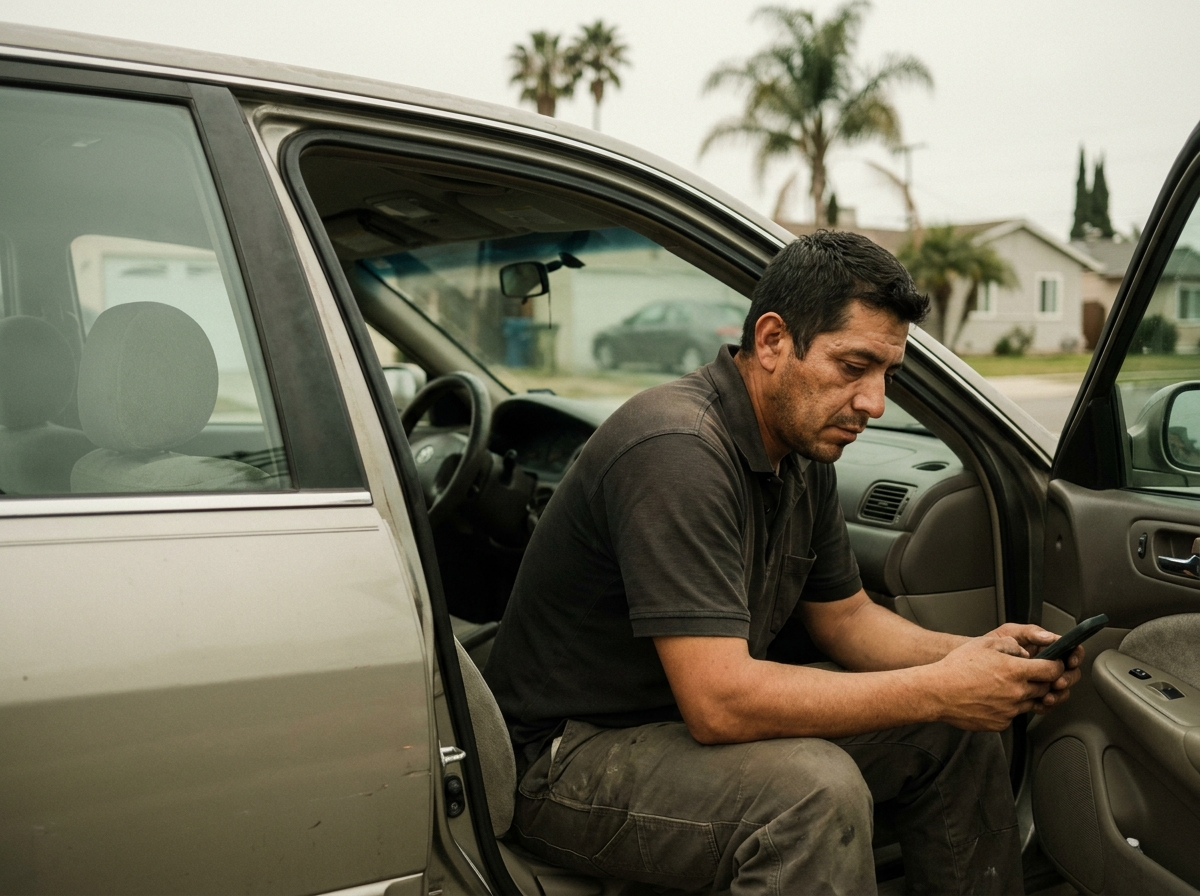
Whiplash is a soft-tissue and ligament injury in the neck caused by the head snapping back and forth in a crash. It often doesn’t hurt right away. The inflammation can take 24 to 72 hours to build before you feel stiff, sore, or limited in how you turn your head. According to Johns Hopkins Medicine, symptoms may not appear until a day or more after the injury.
So if you feel fine today, you’re not in danger of some catastrophe. You’re in a window. And in that window, an early exam is worth more than a late one, both for your health and for your record.
Concussion and mild traumatic brain injury work the same way. The CDC notes that concussion symptoms can appear right after the injury or surface over the following days. Headaches, trouble concentrating, and sensitivity to light don’t always announce themselves at the scene.
There’s one honest urgency here. Florida’s PIP law requires you to be examined by a qualified provider within 14 days of the accident to keep your medical coverage. That’s a fact, and we’re stating it once. What you do with it is your call.
What good documentation looks like, and why it matters to you
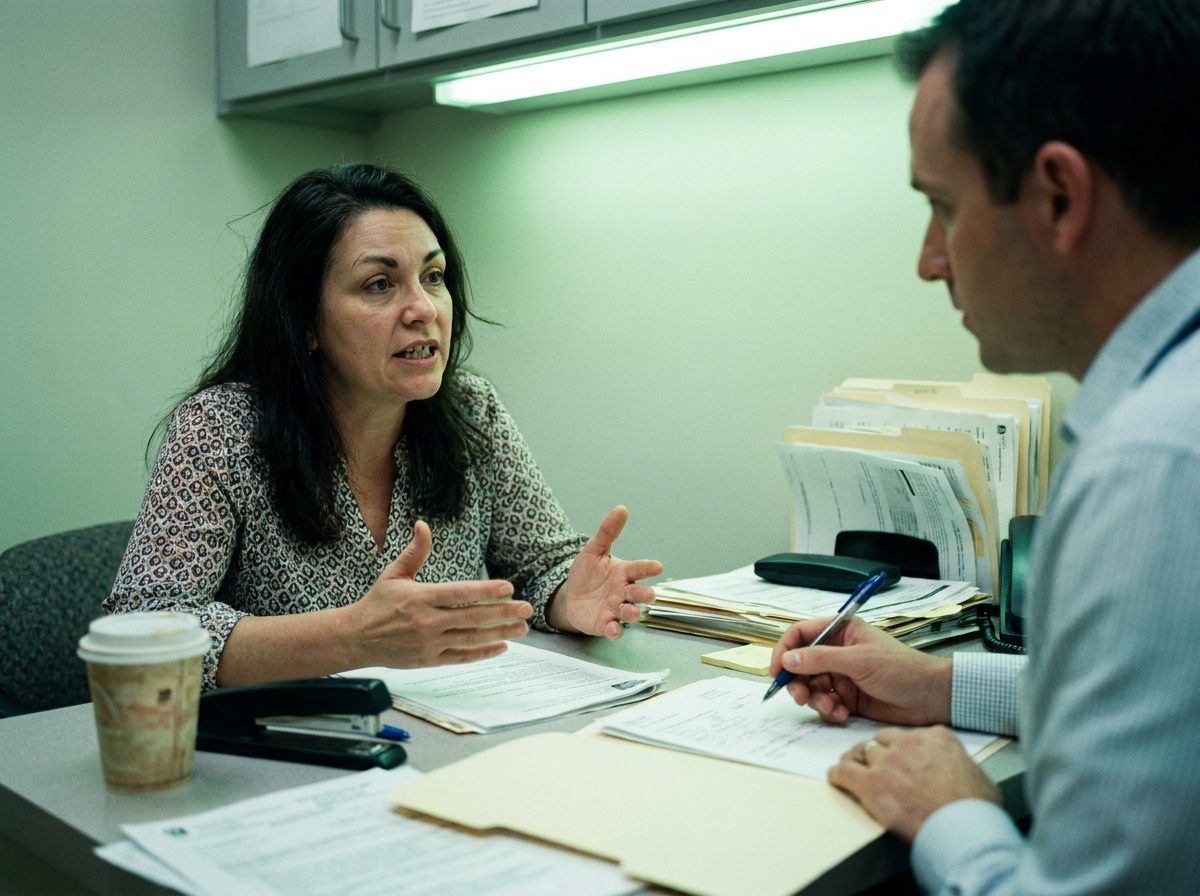
A clinical record has one main job: connect the mechanism of your crash to the specific injuries found on exam. It should show what happened, what the doctor examined, and what the exam actually revealed. That’s the whole point.
Part of that record can include an Emergency Medical Condition determination, or EMC. In plain terms, an EMC is a clinical finding that your injury is serious enough to meet a defined threshold. It affects how much PIP will cover. Per the Florida Statutes on PIP (§627.736), without an EMC finding, PIP medical benefits are capped lower than the full amount.
Here’s the honest part. Not every accident produces an EMC finding. The determination should reflect what’s actually there on exam, nothing more.
A record that says more than your injury showed is a liability to you, not a favor. If the notes overstate what happened, that’s the record you have to stand behind later. Good documentation protects your health history, your coverage, and your case. In that order.
What we can help with, and what is outside our scope
We treat injuries that come from the crash mechanism itself: whiplash, neck and back pain, post-accident headaches, and mild TBI support within chiropractic scope. That’s the core of what we do, and we do it carefully.
Now the part most practices skip. Here’s what’s outside our scope: fractures, anything needing a surgical consult, neurological conditions beyond mild TBI, and injuries that require advanced imaging we can’t perform in-house.
If we find something on your first visit that we can’t treat, we tell you that day and point you to the right person. No delay, no keeping you in a chair for something we can’t help with.
We think this is the real differentiator. Most clinics never name their limits, because naming limits feels like admitting weakness. We see it the other way. Telling you plainly what we can and can’t do is the clearest proof that we’ll be honest about everything else too.
The paperwork, the billing, and the questions you have about money
Let’s answer the question you’re actually asking: will I get a bill. We handle the PIP claim and the insurance paperwork for you, so that isn’t something you carry into the room.
Here’s how PIP works in plain terms. Florida’s Personal Injury Protection covers up to $10,000 in medical benefits for injuries from a crash, regardless of who was at fault, as long as you’re examined within 14 days. The Florida Department of Highway Safety and Motor Vehicles explains that every registered driver carries this coverage. It exists for exactly this situation.
If you have an attorney, there’s another path called a Letter of Protection, or LOP. That means treatment can be covered through a lien on your case instead of upfront payment. We work with attorneys on this regularly.
We bill your PIP insurance directly, and we’ll explain any balance before your care starts. We’ll confirm your specific coverage on the first call, before your care starts, including any balance. We’re talking about what covers your care, not any payout.
If you speak Spanish, that changes how care should work
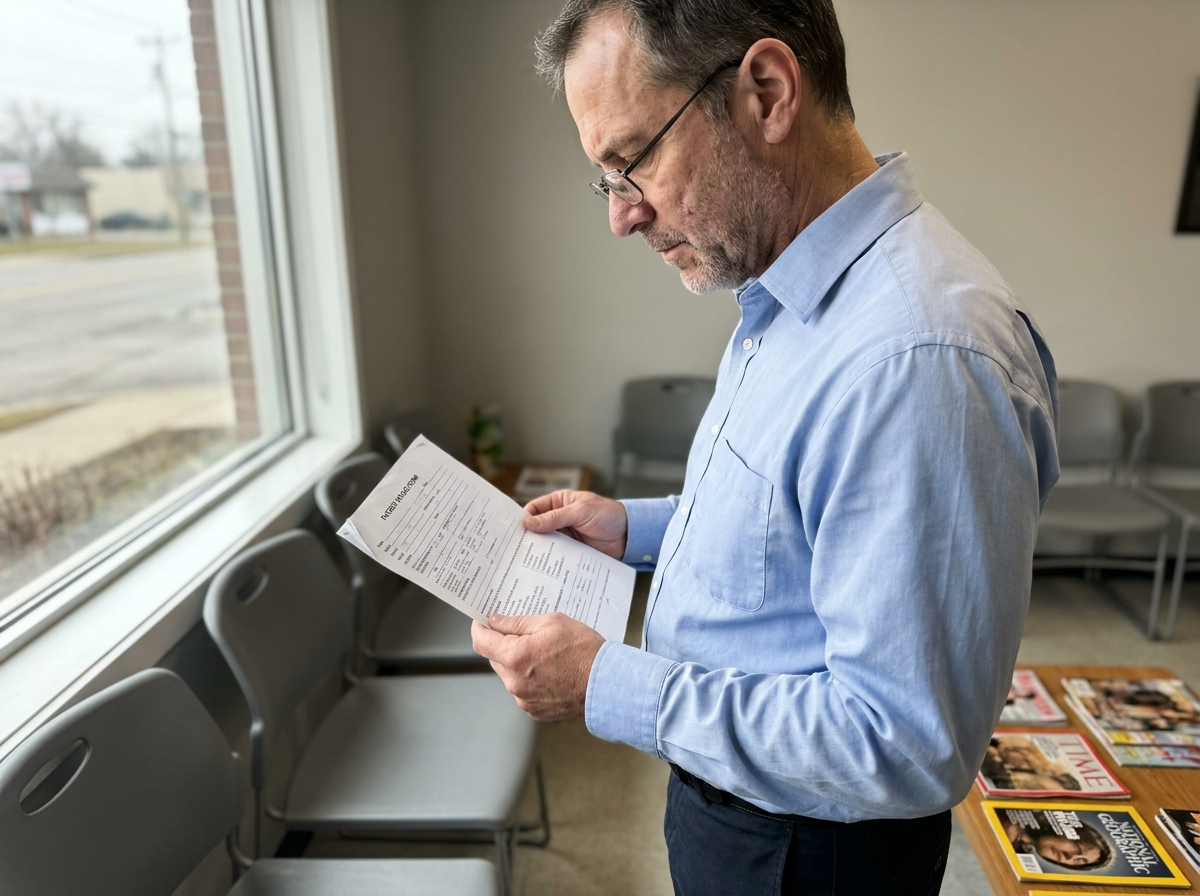
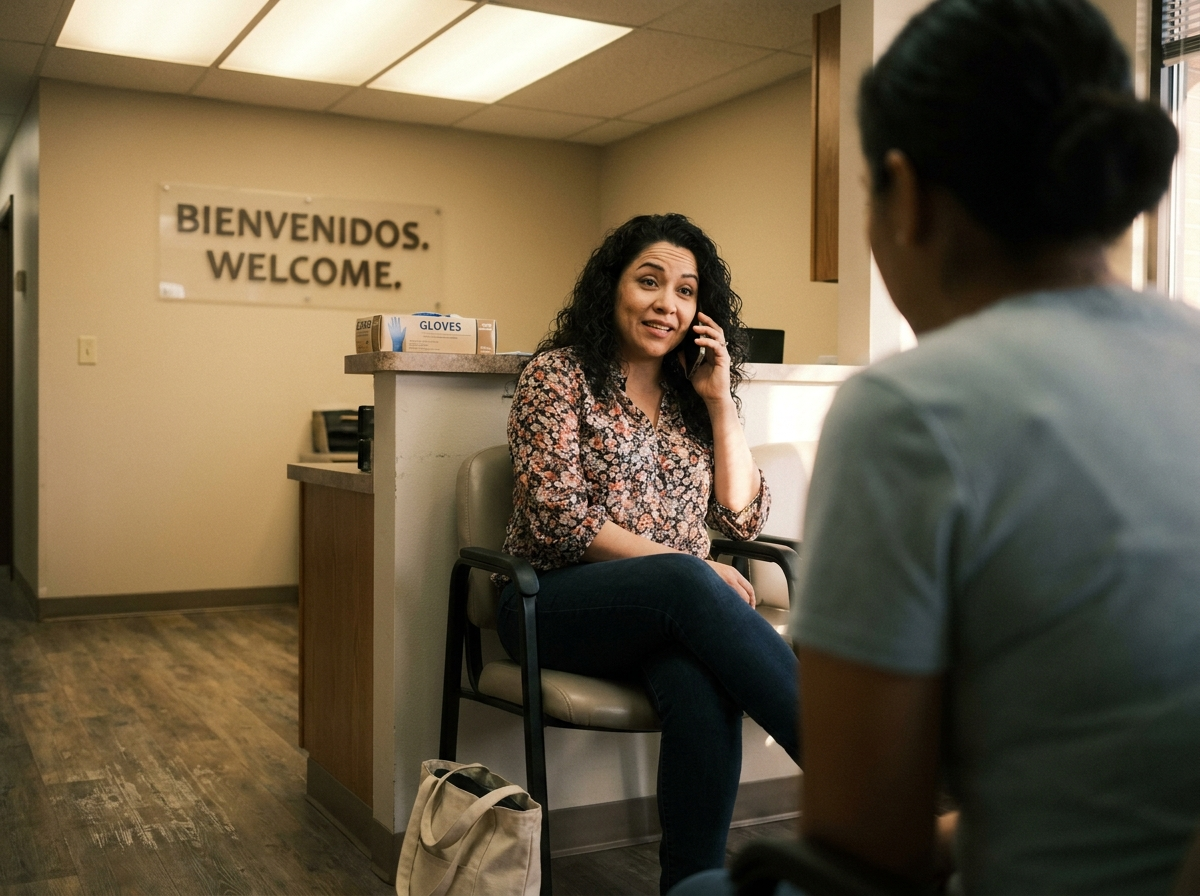
About half of our patients are most comfortable in Spanish. We treat that as a care issue, not a translation issue. There’s a real difference.
A true bilingual visit means you describe your symptoms in your own words, you understand what the doctor found, and you leave knowing exactly what comes next. Nothing about your body should get lost because of language.
A translated appointment is a different thing. If the front desk speaks Spanish but the provider doesn’t, meaning slips through the gaps. The nuance in how you describe pain, the questions you want to ask, the doctor’s reasoning back to you. That’s where care breaks down.
Dr. JP sees Spanish-first patients in Spanish. Not through a middleman.
For Spanish-first patients, WhatsApp is how we take questions and set up your first visit. Same care, same doctor, just the channel that’s easiest for you.
What your first visit at Taylor-Made looks like, step by step
The unknown is half the stress. So here’s the whole visit before you walk in.
Step one: you tell us what happened and how you feel. We listen without rushing. When it’s your turn, you have our full attention.
Step two: we do a physical exam tied to your crash mechanism, meaning how you were hit and what’s hurting now. Not a general wellness screen.
Step three: we explain what we found in plain words. If something is outside our scope, we tell you right then and point you to the right care.
Step four: if treatment makes sense, we walk you through what it looks like and roughly how long. You decide at your own pace. No pressure to commit that day.
Step five: we handle the insurance verification and paperwork. You focus on getting better while we deal with the rest.
That’s it. No surprises, no assembly line.
Key takeaways
- Speed of access matters, but what your first visit documents matters just as much. Ask how long the exam takes and whether the doctor ties your injuries to the crash in writing.
- Whiplash and concussion symptoms often surface 24 to 72 hours after a crash, so feeling fine today doesn’t mean you’re uninjured.
- Florida PIP requires an exam within 14 days of the accident to keep your medical coverage.
- Good documentation connects the crash mechanism to the actual injuries found, and never overstates them.
- An honest practice names what it can’t treat and refers you out when needed.
- We bill your PIP insurance directly, and we’ll explain any balance before your care starts.
- A real bilingual visit means the provider speaks your language, not just the front desk.
Frequently asked questions
Do I really need chiropractic care if I feel okay after the accident?
Feeling okay right after a crash is common and doesn’t mean you’re uninjured. Whiplash and soft-tissue inflammation often take 24 to 72 hours to become symptomatic. An early exam documents your condition during the window when it matters most and confirms whether you need care at all.
Will I get a bill for auto accident chiropractic care in Florida?
We bill your PIP insurance directly, and we’ll explain any balance before your care starts. Florida PIP covers up to $10,000 in medical benefits regardless of fault, if you’re examined within 14 days. We confirm your specific coverage on the first call before your care starts, including any balance.
How soon after a car accident should I see a chiropractor?
Florida PIP law requires an exam within 14 days of the accident to keep your medical coverage. Beyond the legal deadline, earlier is better for your health, because documenting your injuries while symptoms are developing gives you the most accurate record.
What is an Emergency Medical Condition finding?
An EMC is a clinical determination that an injury meets a defined severity threshold. It affects how much PIP will cover. It’s a medical finding based on your exam, not a billing decision, and not every accident produces one.
Can I be treated in Spanish?
Yes. Dr. JP sees Spanish-first patients in Spanish directly, not through a translator at the front desk. About half of our patients are most comfortable in Spanish. You can reach us on WhatsApp to ask questions or set up your first visit.
Before you book anywhere
You don’t have to decide everything today. Whether you come to us or go somewhere else, ask how long the first exam takes, whether the doctor ties your injuries to the crash in writing, and who handles your PIP paperwork. Those answers tell you what kind of care you’re walking into.
When you’re ready, come in, tell us what happened, and we’ll walk you through what we find. In English or Spanish, whichever feels right. We’re here when you are.
Para pacientes que prefieren español: escríbanos por WhatsApp y le respondemos enseguida.
This article is general information and not a substitute for medical or legal advice. Your care and coverage depend on your specific situation.