Comprehensive Guide to Auto Accident Recovery
Recovering from an auto accident can be a complex journey, requiring a multi-faceted approach to healing. This comprehensive guide aims to provide individuals with the necessary information to navigate their recovery effectively, focusing on both physical and emotional aspects.
From understanding the initial steps to take after an accident to exploring various treatment options, this guide covers everything a patient needs to know. It includes insights on the importance of chiropractic care, physical therapy, and psychological support, ensuring a holistic recovery experience.
Understanding the Role of Chiropractic Care in Injury Recovery
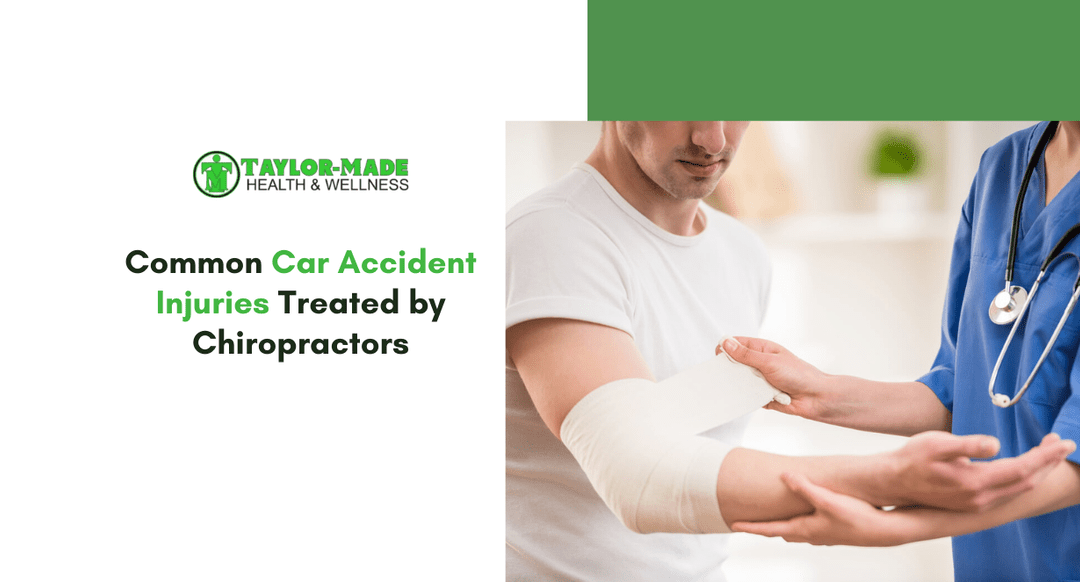
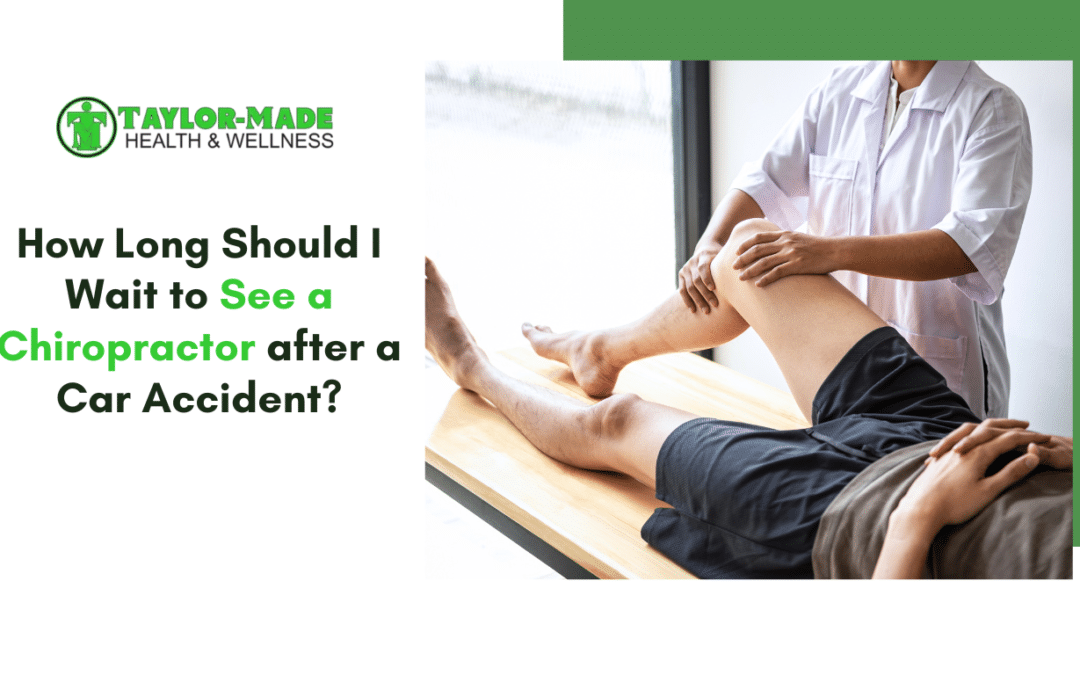
Chiropractic care plays a crucial role in the recovery process following an auto accident. Chiropractors specialize in diagnosing and treating musculoskeletal injuries, which are common in car accidents, by using non-invasive techniques to alleviate pain and restore mobility.
Through personalized treatment plans that may include spinal adjustments, therapeutic exercises, and lifestyle advice, chiropractors help patients regain their strength and improve their overall well-being. This approach not only addresses immediate pain but also promotes long-term health benefits.
Emotional Support and Mental Health After an Accident
Experiencing an auto accident can lead to emotional distress, which is often overlooked during the recovery process. Addressing mental health is essential for a complete recovery, as anxiety, depression, or PTSD can significantly impact a person's quality of life.
Support systems, including counseling and support groups, can provide individuals with coping strategies and a safe space to express their feelings. By integrating emotional support into the recovery plan, patients can achieve a more balanced and comprehensive healing experience.
Preventative Measures to Avoid Future Auto Accidents
Preventing future auto accidents involves understanding risk factors and implementing safety measures. Education on safe driving practices, regular vehicle maintenance, and awareness of road conditions can significantly reduce the likelihood of accidents.
Additionally, engaging in defensive driving courses can equip drivers with the skills needed to anticipate and react to potential hazards. By prioritizing safety, individuals can protect themselves and others on the road, fostering a safer driving environment.
Comprehensive Guide to Auto Accident Recovery
Recovering from an auto accident can be a complex journey, requiring a multi-faceted approach to healing. This comprehensive guide aims to provide individuals with the necessary information to navigate their recovery effectively, focusing on both physical and emotional aspects.
From understanding the initial steps to take after an accident to exploring various treatment options, this guide covers everything a patient needs to know. It includes insights on the importance of chiropractic care, physical therapy, and psychological support, ensuring a holistic recovery experience.
Understanding the Role of Chiropractic Care in Injury Recovery
Chiropractic care plays a crucial role in the recovery process following an auto accident. Chiropractors specialize in diagnosing and treating musculoskeletal injuries, which are common in car accidents, by using non-invasive techniques to alleviate pain and restore mobility.
Through personalized treatment plans that may include spinal adjustments, therapeutic exercises, and lifestyle advice, chiropractors help patients regain their strength and improve their overall well-being. This approach not only addresses immediate pain but also promotes long-term health benefits.
Emotional Support and Mental Health After an Accident
Experiencing an auto accident can lead to emotional distress, which is often overlooked during the recovery process. Addressing mental health is essential for a complete recovery, as anxiety, depression, or PTSD can significantly impact a person's quality of life.
Support systems, including counseling and support groups, can provide individuals with coping strategies and a safe space to express their feelings. By integrating emotional support into the recovery plan, patients can achieve a more balanced and comprehensive healing experience.
Preventative Measures to Avoid Future Auto Accidents
Preventing future auto accidents involves understanding risk factors and implementing safety measures. Education on safe driving practices, regular vehicle maintenance, and awareness of road conditions can significantly reduce the likelihood of accidents.
Additionally, engaging in defensive driving courses can equip drivers with the skills needed to anticipate and react to potential hazards. By prioritizing safety, individuals can protect themselves and others on the road, fostering a safer driving environment.