

If you were just in a car accident and your attorney told you to go get treated, you probably have two questions running at once: is this going to cost me anything, and can I actually trust the place they sent me to? Both are fair. We bill your PIP insurance directly, and we’ll explain any balance before your care starts. It’s written for two readers at once: injured patients, and the attorneys and case managers deciding where to send them.
Taylor-Made works with attorneys across Clermont, Minneola, Groveland and Winter Garden. Our auto accident chiropractor page explains how care is arranged.
This article is general information, not legal or medical advice. Talk to your own attorney and provider about your specific situation.
What this partnership actually is
A chiropractor-personal injury attorney partnership is a working relationship where a chiropractic clinic treats accident patients using their auto insurance or a lien, so the patient gets care without paying upfront. Billing is resolved through the insurance claim, not out of the patient’s pocket at the front desk.
In Florida, most of this runs through PIP. Personal Injury Protection is the no-fault coverage every licensed driver carries. It pays up to $10,000 in medical costs after a crash, no matter who caused it, according to the Florida Department of Highway Safety and Motor Vehicles. For a lot of patients on state-minimum coverage, that $10k is the whole medical cushion.
When PIP runs out or isn’t available, some clinics work on a letter of protection, or LOP. An LOP is a lien: the clinic agrees to wait for payment until the claim closes. The American Bar Association describes liens as a common way injured people access care they couldn’t otherwise afford upfront.
Here’s the honest part. We bill your PIP insurance directly, and we’ll explain any balance before your care starts. It is not a blank check, and good care is never contingent on you winning anything.
So if you’re wondering “if I don’t win my case, do I owe money?” — ask the clinic that directly, in plain words, before you sign a single form. A straight clinic will give you a straight answer.
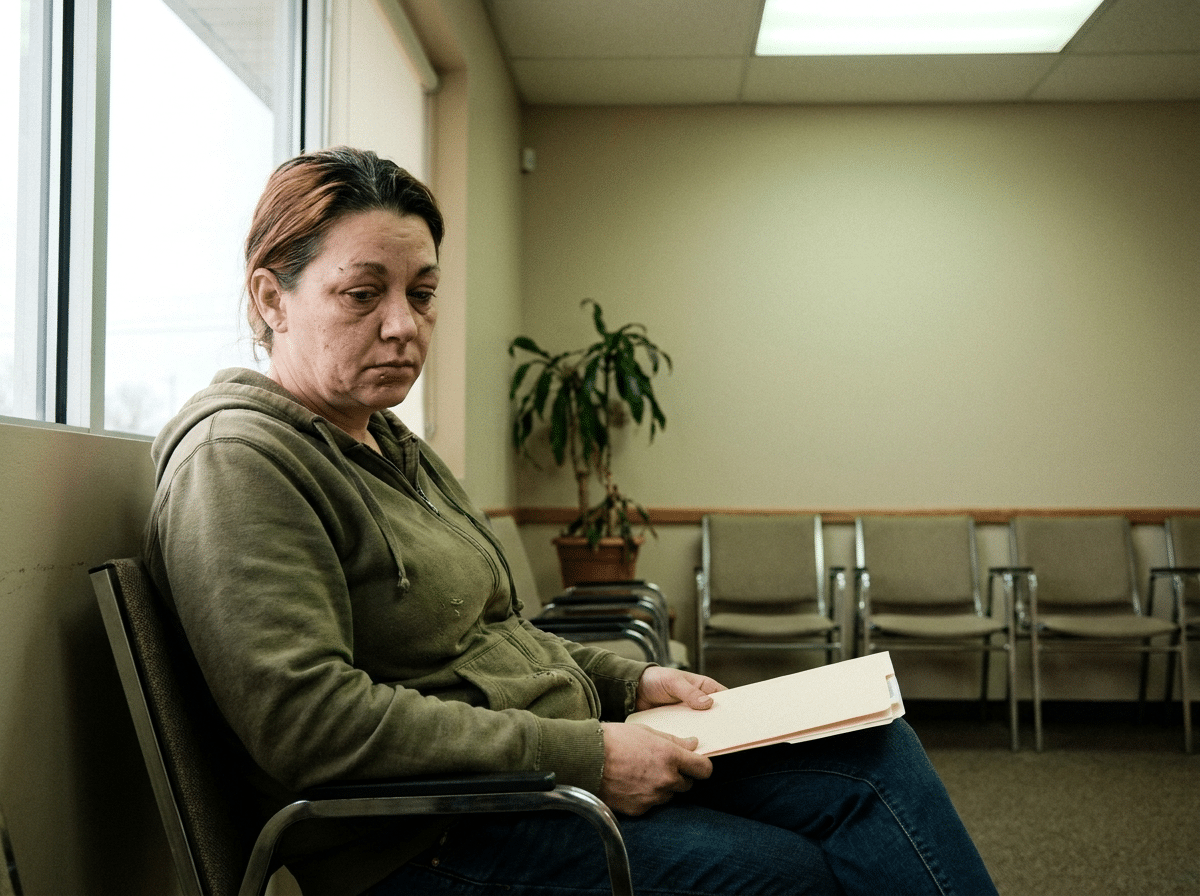
Why attorneys refer patients to specific chiropractors
Attorneys refer to specific chiropractors mostly for one reason: documentation. A clinic that writes clear, accurate records — connecting your symptoms to the accident with defensible causation language, delivered on time — protects the patient and the case. That is the whole ballgame for a referring firm.
Responsiveness sits right behind it. Attorneys need clients seen fast and records returned before deadlines. A slow clinic delays a settlement, and a delayed settlement is a problem for everyone.
Over-treatment is a liability too, and not just for the clinic. A treatment plan that can’t be defended medically hands opposing counsel an argument that the injury was exaggerated. Good attorneys avoid clinics that do this.
Bilingual capability is a real differentiator. In Central Florida, a large share of injured patients are Spanish-first, and many are currently reached only through their attorney. A clinic that treats them natively takes a genuine problem off the firm’s desk.
One thing most clinics miss: the attorney signs the relationship, but the case manager or paralegal runs it day to day. That person picks which clinic to call and chases the records. Winning their trust is the edge.
What patients should understand before their first visit
The most important thing to understand: your attorney told you to get checked for your body first, and your claim second. Documenting an injury protects your health and your legal position, in that order.
Delayed-onset injuries are the reason this matters. You can feel fine at the scene and start hurting two or three days later. Whiplash, soft-tissue strain, and mild concussion symptoms often show up on a delay. The Mayo Clinic notes that whiplash symptoms can take 24 hours or more to appear after the injury. Getting checked is a practical step, not a formality.
A good clinic handles the insurance paperwork and talks to your attorney’s office directly. You should not be the one fielding billing calls or chasing your own records.
A trustworthy clinic also tells you what it can and cannot treat. If something is outside chiropractic care, it refers you out and says so plainly. That’s a signal you’re in the right place, not a weakness.
And you should feel unrushed. The right number of visits for one person’s injury is wrong for another’s. Your plan should be explained to you, not handed over as a done deal.

Where the model gets abused — and how to spot it
The model gets abused when a clinic runs as a referral mill: patients booked for visits regardless of clinical need, records templated instead of individualized, and treatment shaped by billing codes rather than by the actual injury. This is the version that gives the whole arrangement a bad name.
The clearest red flag from the patient side is simple. A clinic that tells you how many visits you need before examining you is not planning your care. Neither is one that ties your treatment to the size of your settlement.
From the attorney’s side, the tells are just as plain. Records that all read the same. Providers who can’t explain why they chose a treatment. Clinics that lean on case managers to add visits.
The legal exposure here is not theoretical. Over-treatment in the records can be used by defense counsel to argue the injury was inflated. The National Association of Insurance Commissioners reports that inflated and padded claims are a significant driver of insurance fraud, which is exactly the pattern defense attorneys look for.
Let me name the line clearly. Connecting your care to a payout is the runner’s language. A clinic that says “we’ll maximize your settlement” is telling you something important about how it operates.
The right clinic treats what’s there, documents it accurately, and is honest about what’s outside its scope. That’s a complete description of an ethical referral relationship. Nothing else needs to be added.
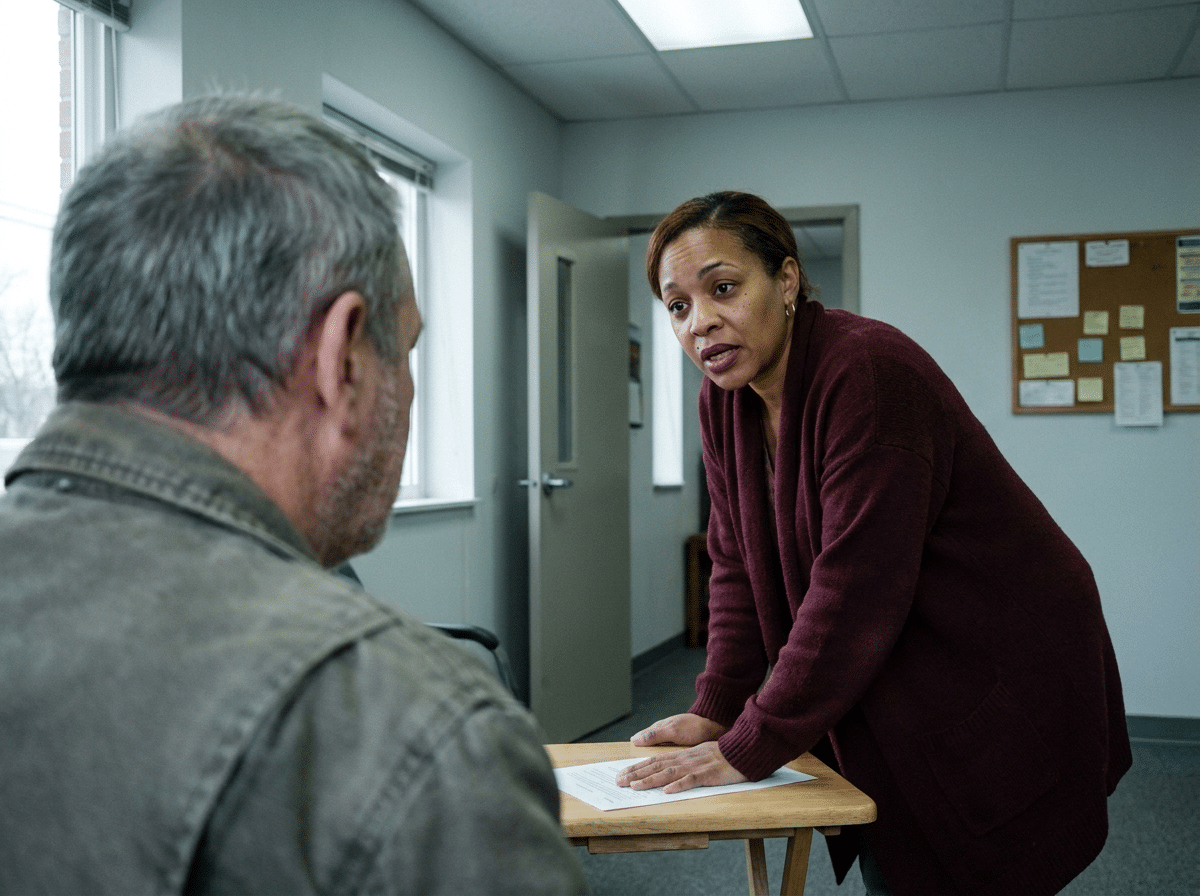
What a well-run chiropractic-attorney partnership looks like in practice
A well-run partnership is visible in how the work actually gets done, not in what the clinic promises. It starts with speed: the patient is seen quickly after the referral, and within the 14-day PIP window where that applies.
The first exam is thorough enough to stand up later. That means the mechanism of injury, how the symptoms present, neurological and orthopedic testing, a clinical impression, and a treatment plan with a written reason behind it.
Progress notes reflect what’s actually happening in the room. From my experience, this is what tends to separate a defensible file from a weak one: the notes read differently visit to visit because the patient is different visit to visit. They don’t echo the intake form.
Records reach the attorney’s office on a clear, agreed timeline. When the case manager calls, someone answers.
If symptoms resolve, the clinic says so and stops treating. If something falls outside chiropractic scope — an imaging finding, neurological symptoms that need a specialist — the clinic refers out and documents that it did.
Spanish-first patients are treated in Spanish by a real bilingual provider or staff member, not a script run through translation software. That’s a different quality of care, and it shows up in patient compliance.
The relationship gets built on service and clinical credibility over time. Not on exclusivity deals. Not on volume promises.
Questions to ask before choosing a chiropractor after an accident
The best way to vet a clinic is to ask direct questions and watch how comfortably they get answered. A confident, honest practice handles all of these without flinching.
If you’re the patient:
- Do you accept my PIP insurance directly?
- Who talks to my attorney’s office about billing and records?
- Will I see the same provider at each visit?
- What happens if I need something outside what you do here?
If you’re an attorney or case manager:
- What does a typical progress note look like, and how are findings individualized?
- What’s your standard timeline for records delivery?
- How do you handle a patient who stops responding after two or three visits?
- Do you have bilingual clinical staff or a bilingual provider?
Ask these of any provider you’re considering. They aren’t a trap and they aren’t a sales test. They’re just the questions a good clinic has already thought about.
There’s one question neither of you needs to ask a clinic worth trusting: anything about maximizing the claim. If a good clinic is doing its job, that conversation is never on the table.
Key takeaways
- A chiropractor-attorney partnership lets injured patients get care through PIP or a letter of protection without paying upfront.
- Florida PIP covers up to $10,000 in medical costs after a crash, regardless of fault.
- Attorneys refer based on documentation quality first, then responsiveness, then right-sized treatment.
- The case manager or paralegal usually chooses the clinic, not the attorney.
- Red flags: a visit count promised before the exam, templated records, or any pitch that links care to a settlement.
- A good clinic treats what’s there, documents it honestly, refers out when needed, and serves Spanish-first patients natively.
- Delayed-onset injuries like whiplash can appear days after an accident, so getting checked early is a practical step.
Frequently asked questions
Do I have to pay upfront for chiropractic care after a car accident in Florida?
Usually no. If you have PIP coverage, a participating clinic bills your $10,000 in Personal Injury Protection directly. If PIP is exhausted or unavailable, some clinics work on a letter of protection, which delays payment until the claim closes. Ask the clinic exactly how your care will be billed before your first visit.
If I lose my case, do I owe the chiropractor money?
It depends on how your care was billed. PIP-covered care is paid by your no-fault insurance and isn’t tied to winning anything. Care under a letter of protection is a lien against a settlement, so the terms matter. Ask the clinic and your attorney to explain your specific arrangement in writing before you sign.
Why did my attorney tell me to see a chiropractor if I feel fine?
Because you can feel fine and still be injured. Whiplash and soft-tissue injuries often show up two or three days after a crash, once the adrenaline fades. Getting examined early protects your health and creates an accurate record of what happened. It’s a practical step, not a formality.
How can I tell if a clinic is a referral mill?
The clearest sign is a clinic that tells you how many visits you need before it examines you, or one that connects your treatment to the size of your settlement. Honest clinics examine first, explain their plan, and never tie your care to a payout.
Will I be treated in Spanish if I don’t speak English well?
At a clinic set up for it, yes. That should mean a real bilingual provider or staff member who works with you in Spanish, not a translated script. If a large share of a clinic’s patients are Spanish-speaking, ask directly whether the clinical staff speaks Spanish.
If you were in an accident and your attorney has asked you to get checked, come in and tell us what’s going on. We’ll walk you through what we find, in English or Spanish, and handle the insurance paperwork for you. There’s no rush and no pressure. Spanish-first? Message us on WhatsApp and a real person will answer.
And if you’re an attorney or case manager deciding whether to refer a client, reach out before you do. We’re glad to walk you through what a records request and a progress note actually look like from us. That’s the whole approach.