

Chiropractic Care After a Car Accident: What to Expect and Why It Matters
You were in a car accident. Now you’re trying to figure out whether you need to see anyone, who pays for it, and what happens next. Here’s the short version: chiropractic care after a car accident treats the neck, back, and soft-tissue injuries that crashes cause, and in Florida your Personal Injury Protection coverage usually pays for it if you get evaluated in time. This article walks you through what that care looks like, why it matters even when you feel okay, and how to get started without pressure.
We’re a bilingual auto-injury practice in Clermont, Florida. We treat patients in English and Spanish, we handle the insurance paperwork, and we’ll be honest with you about what we can help with and what we can’t.
This article is general information, not medical or legal advice.
You can feel fine right now and still be injured
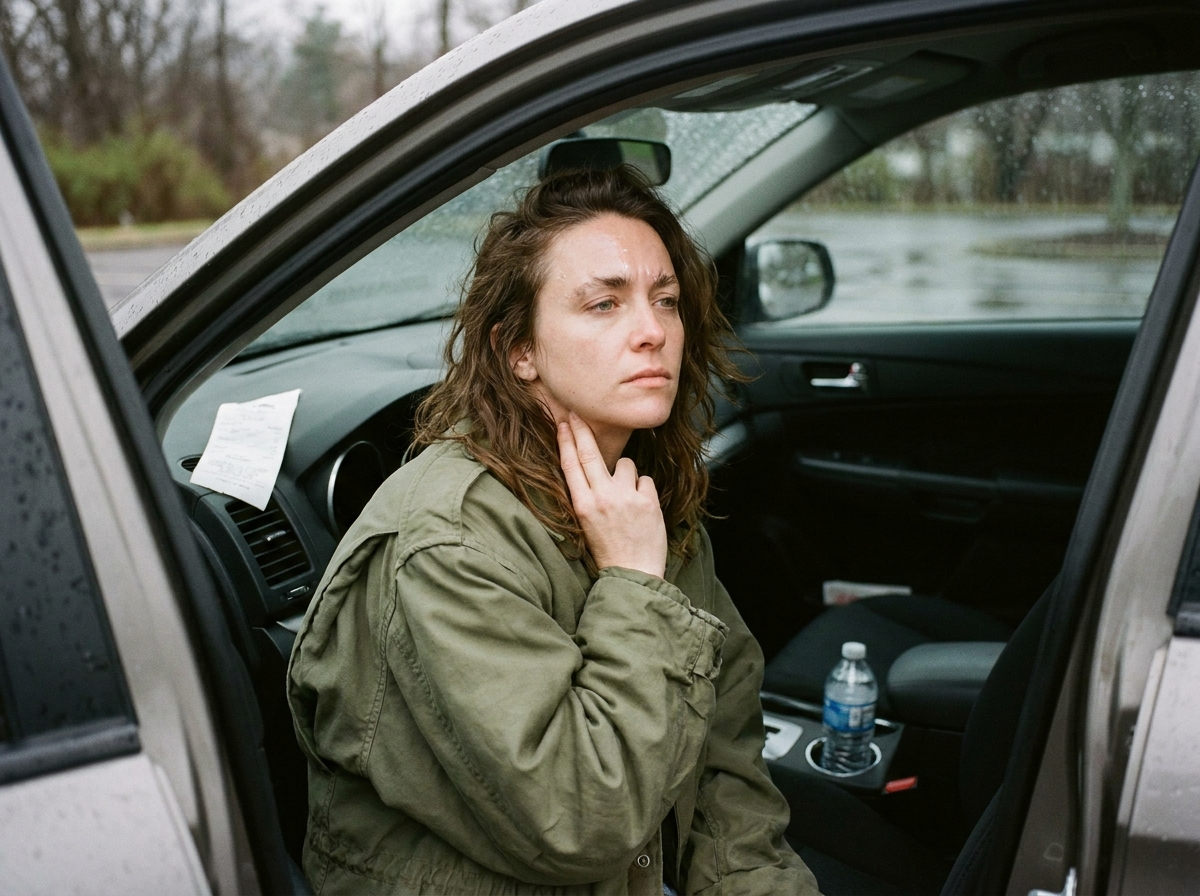
Here’s what we hear a lot: “I walked away feeling okay, so I probably don’t need anything.” That’s a completely reasonable thing to think. And it’s also the single most common reason people skip getting checked after a crash.
The problem is that whiplash and soft-tissue injuries often produce no pain at all in the first hours. Symptoms can show up 24 to 72 hours later, sometimes longer. According to the American Academy of Orthopaedic Surgeons, whiplash symptoms frequently develop hours or days after the injury rather than right away.
Two things are happening in your body during that quiet window. Adrenaline floods your system at impact and dulls pain. And inflammation from a strained muscle or ligament takes time to build. So the day of the crash you feel fine, and by Thursday your neck won’t turn.
The Mayo Clinic lists neck stiffness, headaches at the base of the skull, and dizziness among the delayed signs.
None of this means something is wrong with you. It just means “I feel fine” isn’t the whole picture yet. Getting checked early tells you where you actually stand.
What a chiropractor actually looks for after an accident
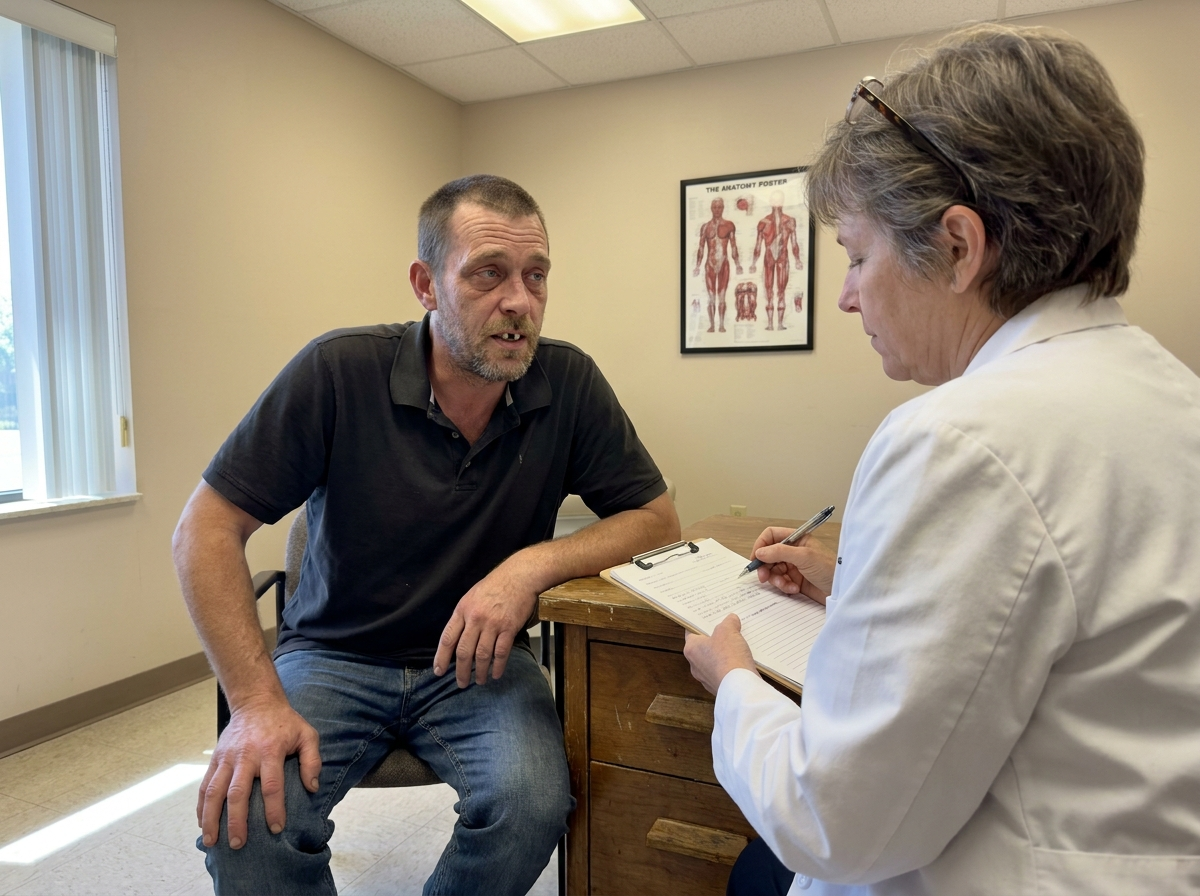
A chiropractor evaluating a car accident patient is looking for injuries the crash may have caused, then figuring out whether those injuries are within chiropractic scope or need another provider. The first visit is an exam and a conversation, not treatment on the spot.
Here’s how it goes. You come in and tell us what happened and how you feel. We ask about the crash itself, your symptoms, and your medical history. Then we do a physical exam: range of motion, where it hurts when you move, muscle tension, reflexes, and neurological checks.
We’re looking at a few specific injury types:
- Whiplash — a strain of the muscles and ligaments in the neck from the rapid back-and-forth motion of a collision.
- Cervical and lumbar strain — injury to the muscles and soft tissue of the neck and lower back.
- Headaches that started or worsened after the crash.
- Mild concussion or TBI symptoms — trouble concentrating, light sensitivity, fogginess.
- Referred pain — pain you feel in one place that’s actually coming from another.
Different findings point different directions. Limited neck rotation with muscle guarding reads one way. Numbness down an arm reads another. That second finding might mean nerve involvement, and it changes what we do.
We’ll say this plainly: some things are outside what chiropractic care can address. Concussion symptoms that don’t improve, a suspected fracture, anything neurological that worries us. When that’s the case, we tell you and point you to the right provider. Naming our limits is how you know you can trust what we say we can do.
Florida’s PIP coverage and the 14-day window
Florida is a no-fault state, which means your own insurance pays for your accident-related medical care regardless of who caused the crash. Most drivers carry $10,000 in Personal Injury Protection, or PIP. That coverage is the medical cushion the state requires.
There’s a deadline attached, and it’s a real one. Under current Florida law, you must receive an initial medical evaluation within 14 days of the accident to qualify for PIP benefits. The Florida Department of Highway Safety and Motor Vehicles explains the state’s no-fault and PIP requirements. Miss that window and the coverage may not apply.
This is honest urgency, so we’ll state it and move on. It isn’t a scare tactic. It’s a date.
One note on the law itself. Florida has debated repealing no-fault PIP. If that happens, the reason to get checked early doesn’t disappear, it just changes shape. The message shifts from “protect your PIP benefits” to “document your injury to protect your claim against the at-fault driver.” Either way, timely care matters.
Now the question everyone actually asks: will I get a bill? Under PIP, we bill your insurance directly. You don’t hand us money at the front desk. If your $10,000 gets used up during care, we’ll tell you before that happens, walk you through the options, and never surprise you with it. We handle the billing and the paperwork so you don’t have to navigate it alone.
What the treatment process looks like, from first visit to discharge
Treatment after a car accident isn’t a fixed number of visits stamped on every patient. It’s built from what your exam actually shows, then adjusted as you go. Here’s a plain walk-through so the process holds no surprises.
First visit: the exam and conversation above. We explain what we found and what a reasonable course of care looks like for you specifically.
Early visits: this is usually where treatment starts. Depending on your findings, that might include:
- Spinal manipulation — gentle, controlled movement of a joint to restore motion.
- Soft-tissue work — hands-on therapy for strained muscles and ligaments.
- Guided rehabilitation exercises — movements you’ll do in the office and at home to rebuild strength and range.
Across the course of care: we reassess. If you’re improving, we keep going and taper as you get better. If you’re not, we stop and figure out why, which sometimes means a referral.
So how many visits? There’s no honest universal answer, and anyone who quotes you one before examining you is guessing. What we can promise is that we’ll explain what the exam shows and what a sensible plan looks like based on it.
You’ll notice we see one patient at a time and don’t rush you through. That’s on purpose. Progress usually looks like more range of motion, less pain with everyday movement, and better sleep. When it stalls, that’s a signal, and we treat it as one.
What to bring and how to get started
Getting started is simple, and you don’t need to have everything perfectly in order. The more you bring, the faster we can set up your care, but the intake process helps fill any gaps.
Here’s a practical list:
- The date of your accident.
- Your insurance card.
- Your police report or crash report, if you have it.
- Any ER or urgent care paperwork, if you went.
Don’t have all of it? That’s fine. Bring what you’ve got and we’ll help gather the rest.
We see English-speaking and Spanish-speaking patients, and care happens in both languages. That’s not a translated afterthought. It’s how the practice works, day one. If you’re more comfortable in Spanish, you can reach us on WhatsApp and talk to a real bilingual person, not a script.
The first call is warm and unhurried. Nobody’s going to pressure you to commit on the spot. You tell us what happened, we tell you what to expect, and you decide.
If your attorney sent you here, your job is short: show up and report how you feel. We coordinate with your attorney’s office on documentation and records so that piece is handled without you chasing it.

How we’re different from a high-volume accident clinic
Plenty of clinics will see you the same day and run you through a preset protocol fast. Same-day access is genuinely useful, and we’re not going to pretend otherwise. The difference is what happens after you walk in.
At a high-volume clinic, the treatment plan often comes from a template. Same visit count, same protocol, patient after patient. That’s efficient for the clinic. It isn’t built around your actual injury.
Our plan comes from what your exam finds. No two accidents are the same. No two bodies respond the same way. So we don’t apply one blueprint to everyone. We call this tailor-made care, meaning care fitted to the person and the injury, not to a billing code.
Patients who’ve been through volume clinics tell us the same thing: they felt processed, not treated. Seen for six minutes, handed a plan, moved along. What our patients report instead is being unhurried, heard, and given time. Review research from BrightLocal shows patients weigh this kind of experience heavily when choosing a provider.
We’re not going to oversell this. If something you’re dealing with is outside what we can help with, you’ll hear that from us plainly, and we’ll point you to the right person. That honesty is the whole approach.
Key takeaways
- You can feel fine after a crash and still be injured. Whiplash symptoms often surface 24 to 72 hours later.
- A chiropractic exam looks for whiplash, neck and back strain, headaches, and concussion signs, then refers out anything beyond its scope.
- Florida PIP usually covers $10,000 in medical care, but you must be evaluated within 14 days of the accident to qualify.
- Under PIP, we bill your insurance directly. We’ll tell you before coverage runs out.
- There’s no universal visit count. A real plan comes from your exam, not a template.
- Care is available in English and Spanish, with WhatsApp as a contact option.
Frequently asked questions
Do I really need to see a chiropractor if I feel okay?
Feeling okay doesn’t rule out injury. Whiplash and soft-tissue strains often stay quiet for 24 to 72 hours because adrenaline masks pain and inflammation builds slowly. A short evaluation tells you whether there’s something to treat. If there isn’t, you’ll know that too.
Who pays for chiropractic care after a car accident in Florida?
In most cases, your Florida PIP coverage does. PIP is no-fault, so it pays regardless of who caused the crash, up to your policy limit (commonly $10,000). You must get an initial medical evaluation within 14 days of the accident to qualify. We bill your insurance directly.
How many visits will I need?
There’s no honest one-size answer, and it depends on what your exam finds. Some patients need a short course, others longer. We explain what your exam shows and what a reasonable plan looks like, then reassess as you go and adjust.
What happens if my PIP coverage runs out?
We’ll tell you before it happens, not after. If your $10,000 gets used up during care, we’ll walk you through your options, which may include a letter of protection through your attorney or other arrangements. No surprise bills.
Can I get care in Spanish?
Yes. We see Spanish-speaking patients as a native part of how the practice works, not as a translated add-on. You can reach us on WhatsApp and speak with a real bilingual person from the first message.
Come in when you’re ready
Come in and tell us what happened. We’ll examine you, explain what we find in plain words, and be honest about what we can help with and what we can’t. If your attorney referred you, we’ll coordinate the records so you don’t have to. In English or Spanish, whichever works for you.
We’re here when you’re ready. Spanish-first? Message us on WhatsApp and we’ll pick it up from there.
This article is general information and not a substitute for medical or legal advice. Care recommendations depend on an individual evaluation.