
Hurt in a Car Accident? Here’s What Chiropractic Care Actually Looks Like
After a car accident, most people don’t feel the worst of it right away. The pain shows up two or three days later. That’s not a warning sign that something went terribly wrong. It’s how the body responds to a sudden jolt, and it’s worth understanding before you decide what to do next.
This is a plain-language walkthrough of what chiropractic care after a crash actually involves: what happens at a first visit, who pays, what we treat, and what we don’t. Dr. JP Silvera and the team at Taylor-Made Health & Wellness in Clermont, Florida work with auto-injury patients and the personal-injury attorneys who refer them. Everything below is written to tell you the truth about the process, not to sell you on it.
This article is educational and not a substitute for a medical exam.
Why you might feel fine right now — and why that can change
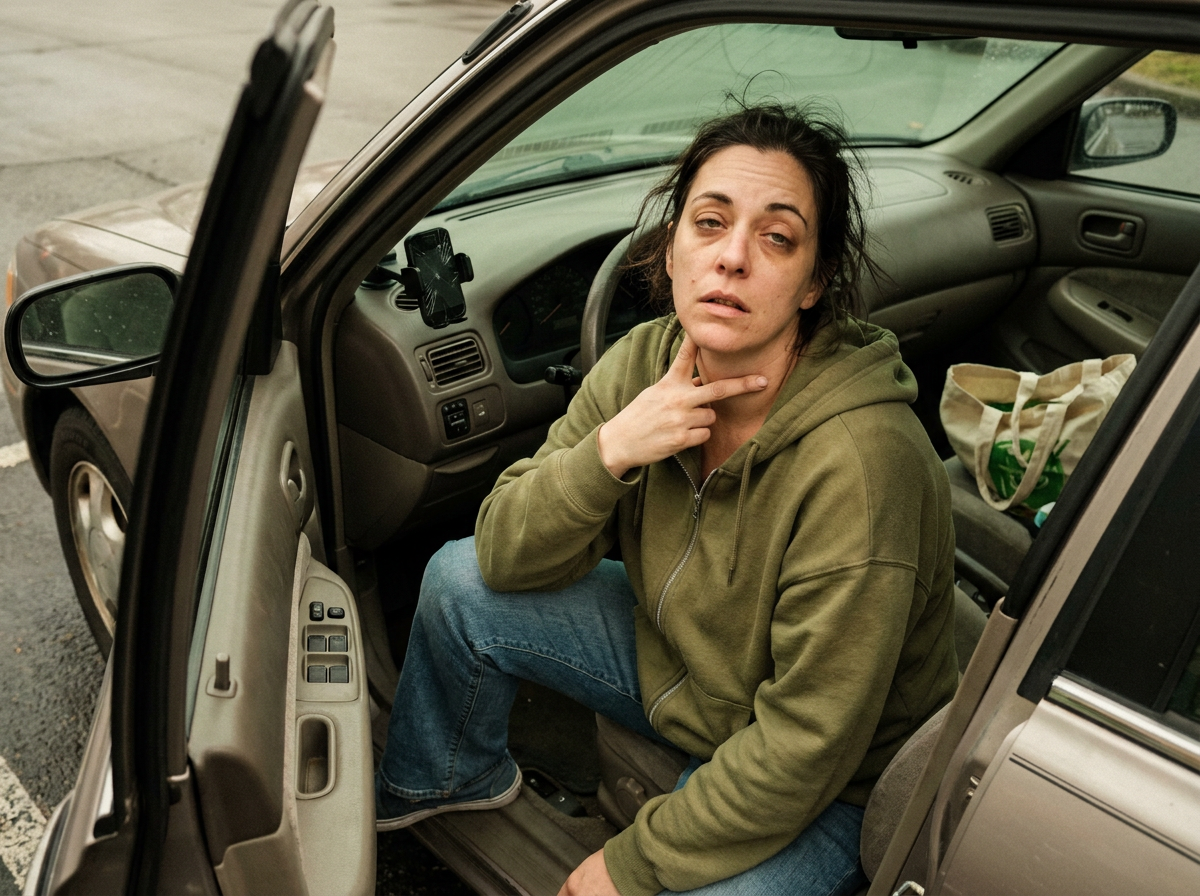
Here’s what we hear a lot: “I feel okay, I don’t think I got hurt.” That’s common, and it makes sense. It also doesn’t mean you’re in the clear.
After a crash, your body floods with adrenaline. That masks pain for a while. As the adrenaline drops and inflammation builds in the soft tissue, symptoms tend to surface 24 to 72 hours later, sometimes longer. This delayed pattern is well documented in whiplash cases. The Mayo Clinic notes that whiplash symptoms often develop within a few days of the injury rather than immediately.
Things to watch for in the days after a wreck:
- Neck stiffness or reduced range of motion
- A headache that sits behind the eyes or starts at the base of the skull
- Tension across the shoulders
- A dull ache in the lower back
- Brain fog or trouble concentrating
None of this is a scare list. It’s what your body may be telling you. If any of it shows up, it’s worth getting checked calmly so you know where you stand. We’re here if you need us.
What chiropractic care for an auto accident actually involves
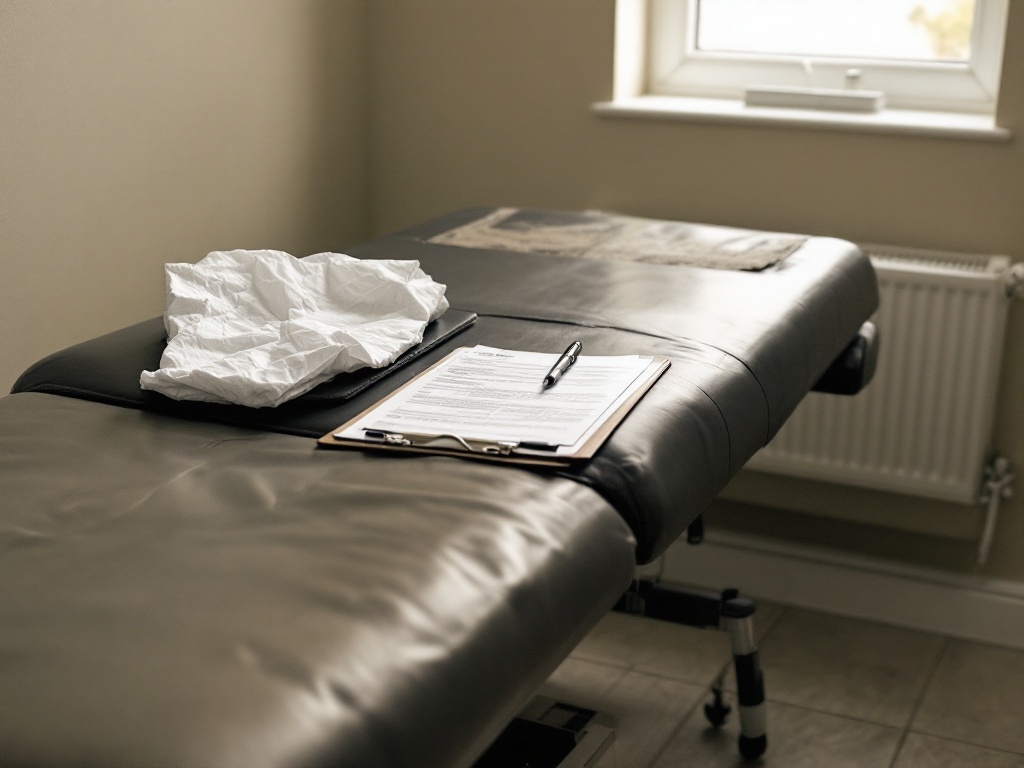
Chiropractic care for auto accident recovery is a structured process: an exam to find out what got injured, a plain-language explanation of the findings, and a treatment plan built around what the exam shows. It starts with a conversation, not an adjustment.
A first visit runs in a clear order. You tell us what happened and how you’re feeling. Then we assess the areas most affected by a crash: the cervical spine (your neck), the thoracic spine (your mid-back), the soft tissue (muscles and ligaments), and your range of motion (how far you can move without pain). We explain what we find in words you can follow.
Sometimes the right next step is imaging. An X-ray checks for fractures or joint problems. An MRI looks at soft tissue and discs. If we think you need one, we say so. That’s a normal part of a careful exam, not an add-on.
Concussion is a specific case. Some post-accident headaches have a musculoskeletal source we can help with. A suspected concussion or mild traumatic brain injury needs a neurologist or the appropriate specialist. We’ll tell you which is which. Naming that line is part of doing this honestly.
Treatment cadence depends on what the exam shows. Soft tissue injuries usually mean multiple visits over several weeks, because tissue heals in stages. The plan fits your injury, not a template.
Who pays — and what the paperwork actually looks like
We bill your PIP insurance directly, and we’ll explain any balance before your care starts. PIP is the medical coverage built into Florida auto insurance. We handle the insurance and the paperwork for you.
Florida’s no-fault system currently requires you to seek initial care within 14 days of the accident to qualify for PIP benefits. According to the Florida Department of Financial Services, PIP provides up to $10,000 in benefits, with a lower cap if the injury isn’t classified as an emergency medical condition. Note that Florida’s no-fault law has faced repeal efforts, so this framework is subject to legislative change as of mid-2026. We’ll tell you where things stand when you come in.
If you’re outside the PIP window or don’t have active no-fault coverage, there’s another route: a Letter of Protection (LOP). An LOP is an agreement that lets you get treated now, with the cost handled through your injury claim later, usually coordinated with your attorney. It’s a normal option, not a catch.
Worried you’ll get a surprise bill? Fair question. We go over the financial side during intake, before treatment starts, so you know what’s covered and what isn’t. No guessing.
Common injuries we treat — and what falls outside our scope
The most common injuries we treat after a car accident are whiplash and soft tissue strains and sprains. Here’s what we can help with, and here’s what we can’t. Both matter.
What’s in our scope:
- Whiplash — a neck injury from the head snapping forward and back, straining the muscles and ligaments
- Cervical and lumbar strain/sprain — overstretched muscles or ligaments in the neck (cervical) or lower back (lumbar)
- Soft tissue injury — damage to muscle, tendon, or ligament rather than bone
- Headaches with a musculoskeletal source — pain driven by tension or joint irritation in the neck
- Post-accident muscle guarding — muscles that tighten to protect an injured area
What’s outside it, and needs a different specialist:
- Fractures that need surgical evaluation
- Severe or progressing neurological symptoms, like numbness and tingling that spreads, or any loss of bladder or bowel control
- Moderate-to-severe traumatic brain injury
If we see any of those, we tell you plainly and point you to the right person, whether that’s an emergency room, an orthopedic surgeon, or a neurologist. A practice that claims to treat everything isn’t being honest with you. Naming the limits is the trustworthy thing to do.
What to expect at your first visit
We know the questions running through your head: how long will this take, do I really need it, and what happens once I walk in. Fair concerns. Here’s the actual visit, start to finish.
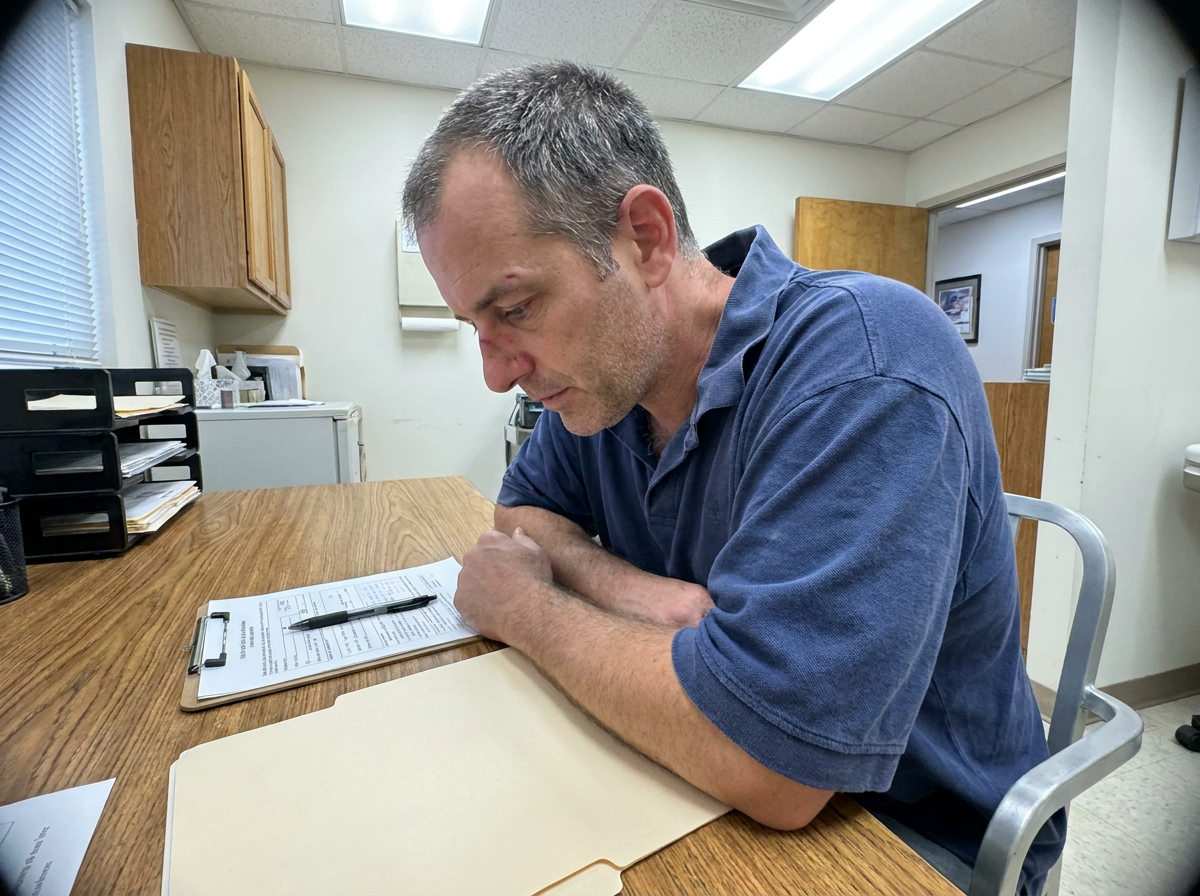
You arrive and check in. The intake paperwork is handled for you, so you’re not fighting through forms alone. Then you sit down with Dr. JP and talk about what happened and how you’ve been feeling since. This is a real conversation, not a rushed checklist.
Next comes the exam. We check your range of motion, test the injured areas, and look at your neck and back. When it’s done, the doctor explains what he found and what he thinks the next steps are. Plan on about 45 minutes to an hour for the first visit.
“I don’t have time for a bunch of appointments.” We hear that a lot. A realistic course of care for soft tissue injuries runs a few visits a week early on, then tapers as you improve. The pace is built around your life, not a fixed schedule stamped on everyone.
You’ll leave knowing exactly where you stand.
Care in English or Spanish — whichever feels right
You can get care here in English or Spanish, with a real bilingual doctor, not a translation service or an app. Dr. JP and the team serve Spanish-first patients natively.
If you’ve ever tried to describe pain in your second language, you know how much slips through. You reach for a word, settle for a close-enough one, and hope the doctor understood. When you’re already shaken from a crash, that gap gets wider. Explaining exactly where it hurts and how it feels matters for the exam. So we take that gap out of the equation.
For Spanish-first patients, WhatsApp is the easiest way to reach us. Warm, human, and in your language. Escríbanos por WhatsApp y con gusto le ayudamos.
The point isn’t a slogan. It’s that you can say what’s actually wrong and be understood the first time.
A word for attorneys and their teams
For personal-injury attorneys handling auto cases, Taylor-Made delivers clean documentation and reliable communication: narrative reports, causation language, an emergency medical condition determination when warranted, and defensible, right-sized treatment. We treat what the exam shows and document what we treat.
To the case manager or paralegal running the file day to day: you’re the one who picks the clinic and chases the records, so here’s what we promise operationally. Prompt scheduling so your client is seen fast. Timely record turnaround. Proactive updates instead of you having to call and ask. And a practice that serves Spanish-first clients in their own language, which keeps them compliant and showing up.
Here’s what we won’t do. We won’t inflate treatment. We won’t generate documentation that doesn’t match the clinical findings. We won’t hand the defense an argument or create compliance exposure for your firm.
That’s the whole approach.
Key takeaways
- Feeling fine after a crash is common; whiplash symptoms often appear 24 to 72 hours later.
- A first visit is a conversation and an exam first, with any treatment plan built around what the exam shows.
- We bill your PIP insurance directly, and we’ll explain any balance before your care starts.
- Chiropractic care covers whiplash, strains, sprains, and soft tissue injury; fractures, severe neurological symptoms, and moderate-to-severe TBI go to the right specialist.
- Care is available in English or Spanish with a bilingual doctor, and WhatsApp is the intake channel for Spanish-first patients.
- For attorneys: clean documentation, prompt records, and right-sized treatment, with no inflation.
Frequently asked questions
How long after a car accident can I see a chiropractor?
You can see a chiropractor as soon as you’re able after a crash. In Florida, seeking initial care within 14 days is currently required to qualify for PIP benefits, so sooner is better. Even if you feel okay, delayed-onset whiplash symptoms often surface within a few days, which is why an early exam is worth it.
Will I get a bill for chiropractic care after my accident?
We bill your PIP insurance directly, and we’ll explain any balance before your care starts. We go over the financial side during intake, before treatment starts. If you’re outside the PIP window, a Letter of Protection may be an option, usually coordinated with your attorney.
Can a chiropractor treat a concussion after a car accident?
A chiropractor can treat some post-accident headaches that have a musculoskeletal source. A suspected concussion or mild traumatic brain injury needs evaluation by a neurologist or the appropriate specialist. A responsible practice will tell you which applies to you and refer you when needed.
What are the signs of delayed whiplash after a crash?
Common signs include neck stiffness, a headache behind the eyes or at the base of the skull, shoulder tension, lower back ache, and brain fog. According to the Mayo Clinic, these symptoms often develop within a few days of the injury rather than right away. If they show up, getting checked is worthwhile.
Do I need a lawyer before seeing a chiropractor?
No. Getting your body checked comes first. You can seek care based on how you’re feeling, independent of any legal process. If you already have an attorney, we coordinate documentation and records with their team.
Before you go
If you’ve been in a wreck and you’re not sure what to do, start simple. Come in, tell us what’s going on, and we’ll walk you through it, in English or Spanish, whichever is easier. Spanish-first patients can reach us on WhatsApp anytime.
Attorneys and case managers: reach out with any case or referral questions. We’re glad to talk through how we document and communicate.
There’s no rush here, and no pressure. When it’s your turn, you have our full attention.
This article is for general education and is not medical or legal advice. For care specific to your injury, see a licensed provider.