

Chiropractic Care After a Car Accident: What to Expect and When to Go
If you were recently in a car accident and you’re not sure whether you need to see anyone, here’s the short version: getting checked within a few days is worth it, even if you feel okay. Delayed pain is common after a crash. This article walks through what a chiropractor actually does after an auto accident, why whiplash can show up late, how Florida’s 14-day insurance window works, and what your first visit looks like. In plain words, no pressure.
Dr. JP Silvera treats auto-injury patients in Clermont, Florida. What follows is the same thing he’d tell you in the room.
You might feel fine right now, and that is worth paying attention to
Feeling fine after a crash doesn’t mean you weren’t injured. Delayed-onset whiplash is common, not a fringe case. Symptoms often show up 24 to 72 hours later, once the adrenaline drops and the soft tissue starts to swell. So “I feel okay, do I really need to go?” is exactly the right question to be asking.
Here’s why the delay happens. In the moment of impact, your body floods with adrenaline, which masks pain. The small tears in the muscles and ligaments of your neck and back don’t announce themselves right away. Inflammation lags behind the injury by a day or two.
The Mayo Clinic notes that whiplash symptoms often begin within a day of the injury and can include neck stiffness, headaches, and reduced range of motion.
None of this means something has gone wrong. It means getting checked early is smart. Knowing where you stand now beats finding out later, when tissue has tightened and recovery takes longer. That’s the whole reason to come in. Not fear. Just facts.
What a chiropractor actually does after an auto accident
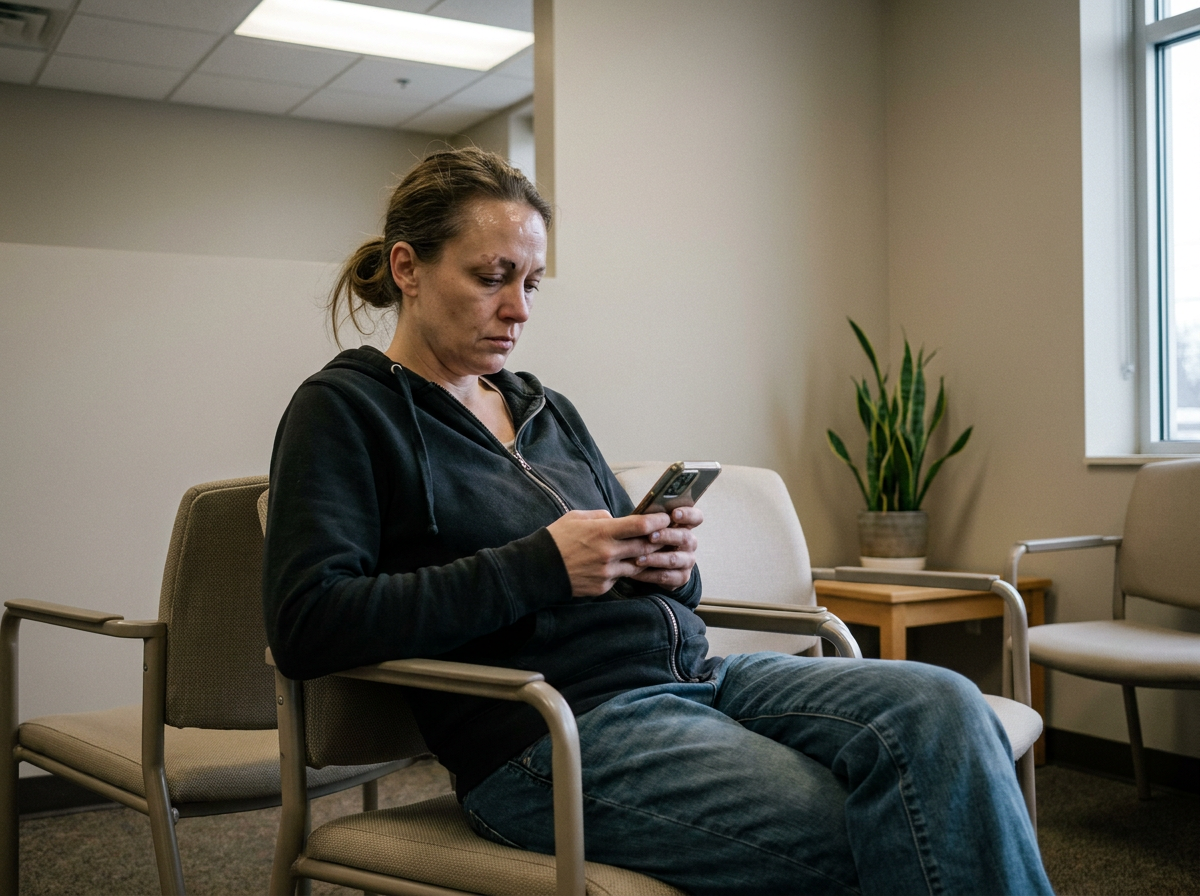
A chiropractor’s job after a car accident is to evaluate how the crash affected your spine, muscles, and joints, then build a plan to help you recover. It starts with an exam: how you move, where it hurts, how the impact happened, and whether anything points to a problem that needs a different kind of doctor.
We commonly treat whiplash, cervical strain (a neck muscle and ligament injury), lumbar strain (the same thing in your lower back), and headaches that come from tension in the neck.
Here’s what we check, why we check it, and how we explain it. We look at your range of motion and spinal alignment because a crash can shift how your joints move. We ask about the mechanics of the collision because the direction of impact tells us where to look.
Some things are outside what chiropractic care can handle. Fractures, nerve damage, and confirmed concussions beyond the mild range need a medical doctor. If we find any of that, we tell you plainly and point you to the right person. That’s not a weakness in the plan. That’s the plan.
From experience, this is what tends to work best: treat what’s there, document it properly, and be honest about the rest. No guaranteed timelines. No promises we can’t stand behind.
The 14-day window in Florida and why it matters for your care
In Florida, you generally need a medical evaluation within 14 days of a car accident to use your Personal Injury Protection (PIP) coverage. PIP is the part of your auto insurance that pays for medical care after a crash, up to $10,000 for most drivers. Miss the window, and you can lose access to that benefit.
This is about getting your care covered. It’s not about a settlement or a claim. Your health comes first, and the coverage is there to support it.
The Florida Department of Highway Safety and Motor Vehicles confirms that Florida requires PIP coverage and that the benefit is tied to timely medical treatment after a crash.
One note worth flagging. Florida’s no-fault system has been under review, and the rules could shift. If PIP changes, the practical point stays the same: getting your injury documented early protects your ability to recover, whether through your own coverage or a claim against the at-fault driver. The real urgency survives either way.
You don’t have to figure out the paperwork. We handle PIP billing and insurance coordination for you. You walk in, we take it from there.
What makes treatment feel different here
What patients notice most here is the pace. You’re not processed through an assembly line. You’re seen, heard, and given time. Reviews say it plainly: unhurried, personalized, and everything gets explained.
That’s the difference between a clinic that reasons with you and one that runs you through a billing code. A lot of accident clinics lead with speed and volume. Fast in, fast out. We move at a pace that lets you actually understand what’s happening in your body.
We call the approach tailor-made. No two accidents are the same. A rear-end collision at 15 miles per hour does something different to your neck than a side impact. So no two treatment plans should look the same either. Yours gets fitted to you.
About half of our patients are Spanish-first, so care happens in English or Spanish, whichever you’re most comfortable with. That’s a real bilingual clinical experience, not a translated brochure handed to you at the desk.
And when we find something, we tell you the truth about it. Including the times when the thing you’re dealing with is outside what we do.
Common injuries we see and how we approach each one
The injuries we treat most after a car accident are whiplash, cervical-origin headaches, and lower back strain. Each one follows the same explanation: what it is in plain words, why the crash caused it, and what care looks like.
Whiplash. Your head snaps forward and back faster than your neck muscles can brace for it. That hyperextension-flexion motion strains the muscles and ligaments in your neck. It often spreads into the upper back and shoulders too, because those muscles work together.
Headaches after a crash. Many post-accident headaches start in the neck, not the head. These are called cervicogenic headaches, and they’re different from a migraine. When the joints and muscles in your upper neck are strained, the pain refers up into your skull. Chiropractic care works on the neck source, which is where the trouble actually lives.
Lower back pain. During impact, compression and shear forces load your lumbar spine. Your seat belt does its job and saves your life, but that same restraint can strain the lower back on impact. The American Chiropractic Association notes that back pain is one of the most common reasons people seek chiropractic care.
Concussion and mild TBI. We’re honest here. Chiropractic care can support recovery in coordination with your treating physician, but we don’t treat concussion as a standalone chiropractic condition. If we suspect one, we coordinate a referral. That protocol is named up front, not buried.
What your first visit looks like, step by step
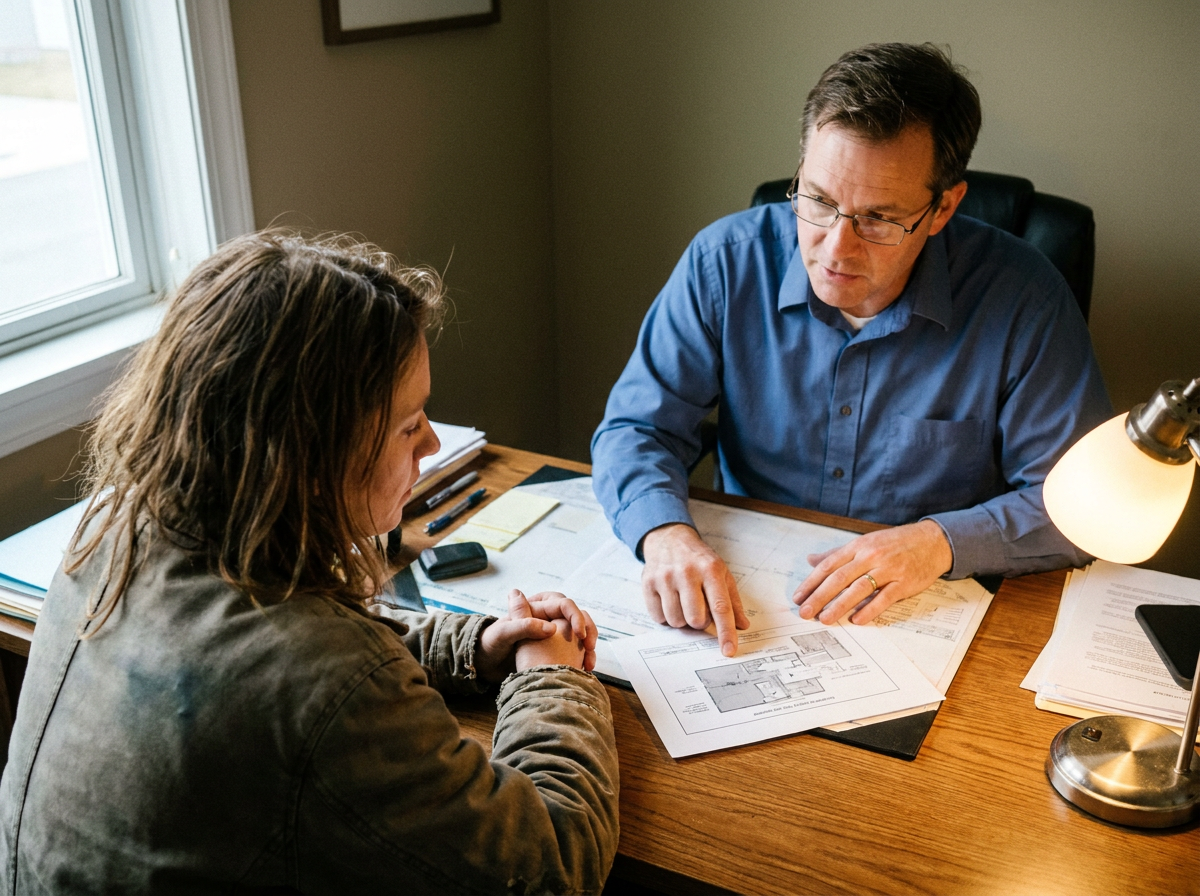
Your first visit is built to remove the unknown. We walk through it in order so nothing catches you off guard. Here’s what happens, start to finish.
- Intake. We ask about the accident, your symptoms, and your health history. Nothing rushed. Tell us what happened in your own words.
- Evaluation. Dr. JP checks how you move, where you hurt, and how the crash likely affected your spine. He explains what he’s looking at as he goes, so you’re never guessing.
- Findings and plan. You hear what we found in plain language. If there’s something we can’t help with, we say so and tell you where to go instead.
- Paperwork and insurance. We handle the PIP billing and the coordination. You don’t need to understand how any of it works to walk through the door.
Before you leave, we ask a simple question: did we address everything? If something’s still on your mind, that’s the moment to say it. We’d rather you leave with your questions answered than carry them home.
That’s it. No maze. No mystery. Just a visit that respects your time and your worry.
Questions we hear most often
Here are the questions we get most from people after a crash, answered straight.
Will I get a bill? In most cases, your PIP coverage handles the cost of care after an accident, up to your policy limit. We manage the PIP paperwork and insurance coordination so you’re not navigating billing on your own. If anything falls outside coverage, we tell you before it happens.
How many visits will I need? It depends on the injury, and we won’t pretend otherwise. A mild strain and a significant whiplash recover on different timelines. We assess as we go and explain what we find at each step, so you always know where you stand.
Do I need a referral? No. In Florida, you can come in directly after an accident without a referral from another doctor. Many patients are sent by their attorney, but you don’t need permission to get checked.
I was in a minor fender-bender, is it worth going? Yes, it’s worth knowing where you stand. Low-speed collisions still produce soft tissue injury, and whiplash often shows up a couple of days later. A quick check now tells you whether you’re clear.
What if something is seriously wrong? We’ll tell you, plainly, and make sure you get to the right person. Fractures, nerve red flags, and serious head injuries need a medical doctor, and part of our job is spotting that and pointing you there.

Key takeaways
- Feeling fine after a crash doesn’t rule out injury. Whiplash symptoms often appear 24 to 72 hours later.
- Florida generally requires a medical evaluation within 14 days of an accident to access PIP coverage.
- A chiropractor evaluates your spine, muscles, and joints, treats strains and cervical-origin headaches, and refers out anything beyond scope.
- Concussion and serious injuries need a medical doctor. A trustworthy clinic names its limits openly.
- You don’t need a referral to be seen after an auto accident in Florida.
- Care here is unhurried and offered in English or Spanish, fitted to your specific injury.
A note on next steps
Come in and tell us what happened. We’ll walk you through everything we find, in plain words, at your own pace. In English or Spanish, whichever is easier for you. We’re here to help.
If Spanish is easier, message us on WhatsApp and a real bilingual person will answer. Si prefiere español, escríbanos por WhatsApp y le atenderá una persona bilingüe.
This article is for general information and isn’t medical or legal advice. For guidance about your specific injury or insurance situation, talk with a qualified provider.