
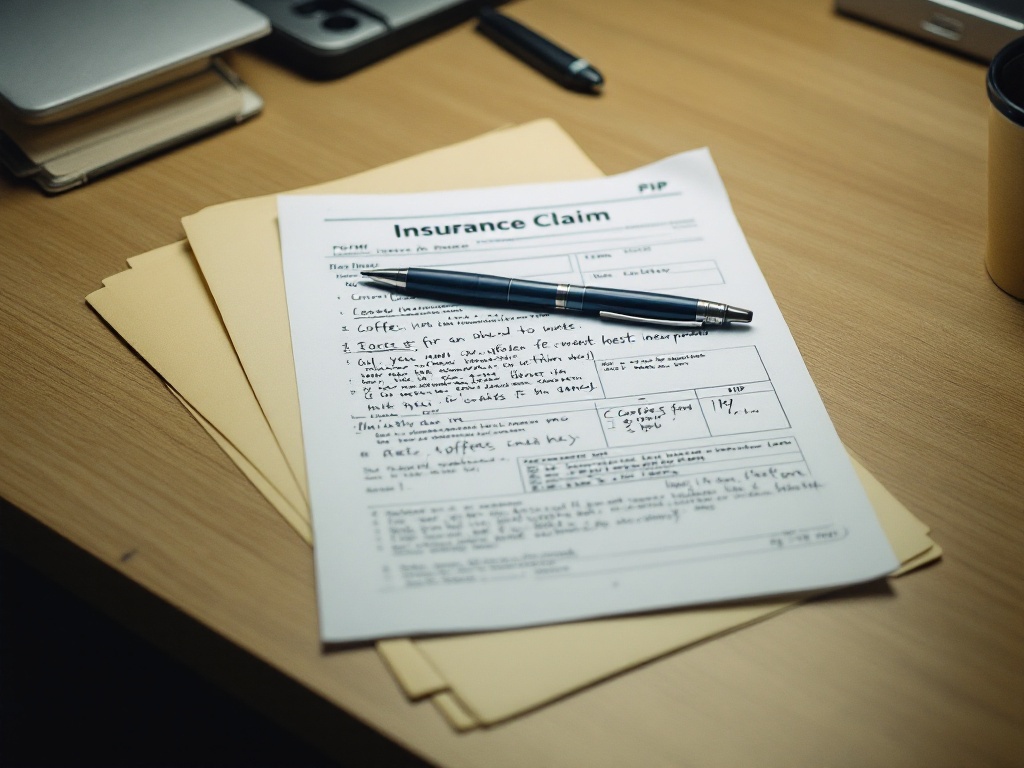
Hurt in a Car Accident? Here’s What Chiropractic Care Actually Looks Like — and How to Get Started
If you were just in a car accident, the most useful thing you can do is get checked, even if you feel okay. Whiplash and other soft-tissue injuries often stay quiet for a day or two before they show up. This article walks you through what chiropractic care after a crash actually involves, how fast you can be seen, how Florida’s PIP coverage works, and what’s honestly outside our scope. Plain language. No pressure.
I’m Dr. JP Silvera, and I treat auto-injury patients here in Clermont. Let me show you how I think about this.
You might feel fine right now — and that’s worth paying attention to
Here’s what I hear a lot: “I was in a minor crash, I feel okay, do I really need this?” It’s a fair question. And the honest answer is that feeling fine right after a wreck doesn’t tell you much yet.
Whiplash and soft-tissue injuries often don’t produce noticeable pain for 24 to 72 hours after impact. According to the American Chiropractic Association, whiplash symptoms can be delayed and may worsen over the days following a collision. That delay is normal, and it has a real reason behind it.
Two things are happening. Adrenaline floods your system at the moment of impact and masks pain for hours. Then inflammation from stretched or torn tissue builds slowly, so the stiffness and ache creep in later. The Mayo Clinic notes that whiplash symptoms often appear within a day of the injury, sometimes longer.
Getting checked early isn’t about assuming the worst. It’s about knowing where you stand while the picture is still forming. If nothing’s wrong, that’s good news you get to hear out loud.
What chiropractic care for an auto accident injury actually involves
Chiropractic care after an auto accident is a structured evaluation of what the crash did to your neck, back, and soft tissue, followed by a treatment plan built around what’s actually found. It starts with listening, not adjusting.
Your first visit usually goes like this: intake paperwork, a conversation about how the accident happened and how you feel, a physical exam, and then a plain-language explanation of what we found. You’ll know what’s going on before anyone touches your spine.
Chiropractic care works well for several common accident injuries:
- Whiplash and neck strain
- Back pain and stiffness
- Headaches tied to neck injury
- Some soft-tissue injuries and muscle spasm
Now the part most clinics skip. Some things fall outside what chiropractic can treat. Fractures, internal injuries, and conditions that need imaging or a specialist belong with an MD or an emergency department. If I see signs of something like that, I’ll tell you plainly and point you to the right person. That’s not a weakness in the care. It’s the whole point of getting checked by someone honest.
Treatment plans come from what the exam shows, not from a set number of visits printed on a form.
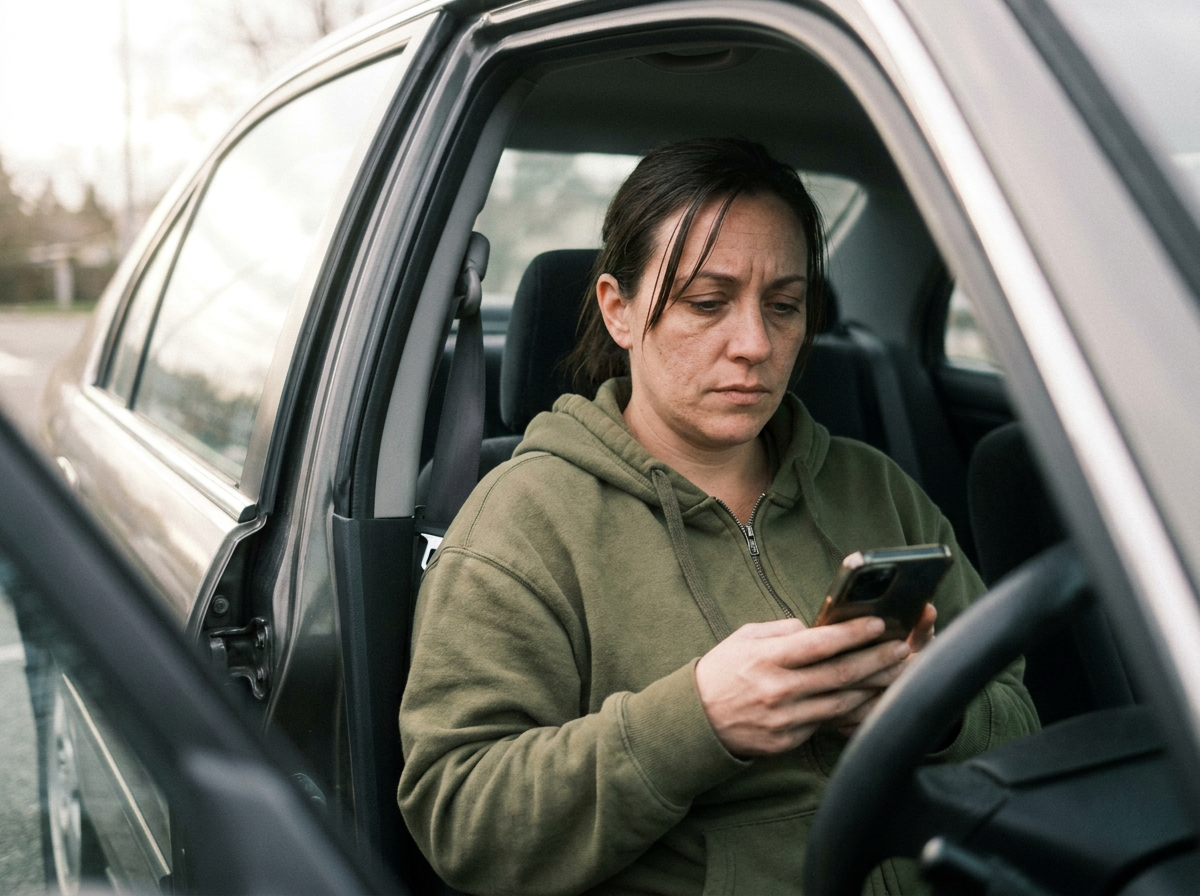
How to get seen — and what access actually looks like at Taylor-Made
At Taylor-Made, most patients are seen quickly, often the same day or the next, and we handle your PIP paperwork so you’re not doing it alone. Access is straightforward, and I’ll be specific about what we can and can’t promise.
Walk-in versus scheduled: we take both, but calling or messaging ahead means we can set aside real time for you instead of fitting you between other patients. I’d rather give you an unhurried first visit than rush you through the door. Bring your ID, your insurance information, and the crash or police report if you have one.
Here’s the honest contrast with the big multi-location chains. They advertise same-day walk-in access at scale, and that’s true. But scale comes with a trade. What you get here is time with the doctor, findings explained in words that make sense, and a visit that doesn’t feel like a conveyor belt.
For Spanish-first patients, we work in Spanish natively, and WhatsApp is the easiest way to reach us. You’ll talk to a real bilingual person, not a translated form.
Florida’s PIP coverage and why timing matters
Personal Injury Protection, or PIP, is the part of your Florida auto policy that pays for medical care after a crash regardless of who caused it. As of early 2025, it provides up to $10,000 in benefits, and you generally must seek care within 14 days of the accident to qualify. The Florida Department of Financial Services explains PIP as part of the state’s no-fault system.
That 14-day window is the real reason timing matters. Miss it, and you can lose access to those benefits. According to Florida Statute 627.736, the reporting requirement is written into the law itself.
One caution. Florida’s no-fault system has been the subject of repeal debate, and the rules could change. I won’t overstate what the law will be. I’ll tell you what’s true today and flag that it’s worth confirming.
If PIP rules shift, the reason to document your injury doesn’t disappear. It just changes shape: a clear record protects your claim against the at-fault driver. And to be clear, documentation exists to accurately reflect what’s there. Not to inflate anything. We handle the billing either way.
What makes care feel different here — and why that matters after an accident
The accident is already the stressful part. The clinic visit shouldn’t pile onto it. That’s the standard I hold this practice to.
High-volume injury mills move people through fast because the model depends on volume. You get processed. Here, you get explained to. I slow the room down, walk through what I’m seeing, and check that it actually landed with you before we go further. From my experience, that’s what tends to work best for someone who’s anxious and hurting.
Bilingual care isn’t a line on a brochure for us. Roughly half our patients speak Spanish first, and they’re seen and heard in their own language, at their own pace. No handing someone a translated sheet and hoping it clears things up.
We call our approach tailor-made for a reason. No two injuries after a crash are the same, so the care gets fitted to what your body actually shows, not to a default protocol.
And if something’s outside what we do well, you’ll hear that plainly, along with where to go next. Being honest about limits is how you know the rest is honest too.
For referring attorneys and case managers
For attorneys and case managers evaluating a referral partner, what matters is dependability: clean records, clear causation language, prompt turnaround, and clients who actually stay compliant. That’s the whole approach here.
We produce narrative reports that read clearly and document what the exam supports. Causation language is stated where the findings back it, and records go out promptly so cases don’t stall waiting on us. When you or your case manager needs an update, you get a real answer, not a runaround.
The bilingual capability is the concrete wedge. Spanish-speaking clients are served in their own language, which cuts drop-off and keeps people showing up for care. Compliance problems often start with a language barrier nobody addressed.
On treatment: we document what’s there and treat what warrants treatment. Not less, not more. Over-treating hands the defense an argument, and that helps no one. Right-sized care protects the client and the record.
If you want to know how we work, we’re glad to talk it through.
Key takeaways
- Whiplash and soft-tissue pain often show up 24 to 72 hours after a crash, so feeling fine early doesn’t rule out injury.
- A first chiropractic visit is an evaluation first: intake, history, exam, then a plain explanation of findings.
- Chiropractic addresses whiplash, neck and back pain, and related headaches; fractures and internal injuries need an MD or ER.
- Florida PIP provides up to $10,000 and generally requires seeking care within 14 days, though the law may change.
- Taylor-Made handles PIP billing and paperwork and offers native Spanish-speaking care, with WhatsApp as an intake channel.
Frequently asked questions
Do I need chiropractic care if I feel fine after a minor crash?
Feeling fine right after a crash is common because adrenaline masks pain and inflammation builds slowly. Whiplash symptoms often appear 24 to 72 hours later. A calm early evaluation tells you where you stand. If nothing’s wrong, you’ll know that too, which is worth the visit on its own.
How quickly can I be seen after a car accident?
Most patients at Taylor-Made are seen the same day or the next. Calling or messaging ahead lets us reserve real time for you rather than squeezing you in. Bring your ID, insurance information, and any crash or police report you have. Spanish-first patients can reach us fastest through WhatsApp.
Does PIP insurance cover chiropractic care in Florida?
Yes. Florida PIP covers medically necessary care after an auto accident up to $10,000, regardless of fault, as of early 2025. You generally must seek care within 14 days to qualify. We handle the PIP billing and paperwork for you. Note that Florida’s no-fault law has faced repeal debate, so confirm current rules.
What can’t chiropractic care treat after an accident?
Chiropractic doesn’t treat fractures, internal injuries, or conditions that need imaging or specialist care. Those belong with an MD or emergency department. If your exam shows signs of something outside our scope, we’ll say so plainly and point you to the right provider. Naming those limits is part of doing the evaluation honestly.
How many visits will I need?
There’s no set number. A treatment plan is based on what the exam actually finds, not a standard count printed on a form. Some injuries resolve in a few visits, others take longer. We’ll explain the reasoning as we go and adjust as your body responds, at your own pace.
Come in and tell us what happened
If you were recently in a wreck, come in, tell us what happened, and we’ll walk you through what we find one step at a time. No rush, no pressure, and we’ll handle the insurance paperwork for you.
Prefer Spanish? Message us on WhatsApp and you’ll reach a real bilingual person who can help. Estamos aquí para ayudarle.
This article is general information, not medical or legal advice. For care specific to your injury, or questions about your claim, speak with a qualified provider or attorney.