

Hurt in a Car Accident? Here Is What Chiropractic Care Actually Looks Like
If you were just in a car accident and you are trying to figure out what to do next, here is the short version: get checked, even if you feel okay. Chiropractic care after an auto accident starts with an honest evaluation of what happened to your body, not a treatment plan someone decided before they met you. This piece walks through what a first visit looks like, how whiplash works, who pays, and what we can and cannot help with.
Dr. JP Silvera runs Taylor-Made Health & Wellness in Clermont, Florida, treating auto-injury patients in English and Spanish. What follows is the plain version of what we tell people who call us shaken up and unsure.
This is general information, not medical or legal advice. Every injury is different, and you should be evaluated in person.
You might feel fine right now — and that is worth paying attention to
Feeling okay in the hours after a crash is common. It does not mean nothing happened. Soft-tissue injuries like whiplash frequently show no symptoms for the first 24 to 72 hours, so a lot of people walk away from a wreck thinking they got lucky, then wake up stiff two days later.
There is a plain reason for the delay. Right after an accident, your body floods with adrenaline, which masks pain. Inflammation from strained muscles and ligaments also builds gradually, so the ache that was not there Tuesday night can arrive Thursday morning. According to Johns Hopkins Medicine, whiplash symptoms can take 24 hours or more to appear.
Here is a distinction most people miss. “I feel fine” and “I have been evaluated and cleared” are not the same thing. One is a guess. The other is information.
The honest reason to get checked is not to protect a claim. It is so you actually know where you stand.
What a first visit actually looks like — no surprises
A first visit is an evaluation, not a sales pitch for a treatment plan. We ask what happened, where it hurts, and how you have been feeling since the crash. Then we examine you. The whole thing usually takes 30 to 45 minutes, and you leave knowing what we found.
Here is what we look at:
- Range of motion — how far you can turn and bend without pain
- Tenderness and muscle guarding — where the tissue is reactive
- Neurological signs — reflexes, sensation, anything that suggests a nerve is involved
- Your history — prior injuries, the mechanics of the crash, symptoms so far
Those findings tell us what comes next. Not a script.
We handle the PIP paperwork and coordinate with your insurance carrier, so you are not stuck decoding forms while you hurt. That is us taking a burden off your plate, nothing more.
We offer same-day and walk-in visits when we can. And if the exam points to something needing imaging or a specialist, we tell you and help you get there. That part is not a failure. It is the job.
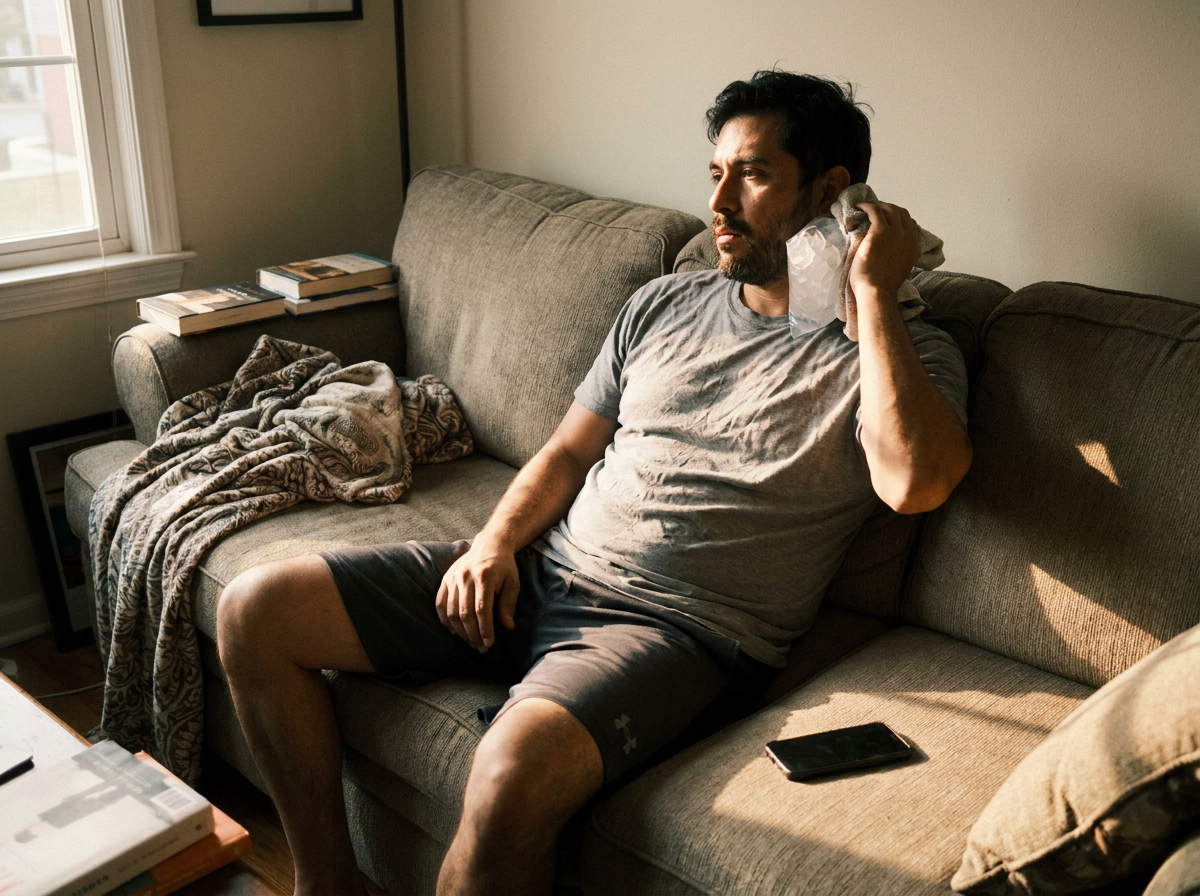
Whiplash: what it is, why it shows up late, and how we treat it
Whiplash is a rapid back-and-forth snap of the neck that strains the muscles, tendons, and sometimes the discs that cushion the vertebrae. A rear-end collision at 15 mph can produce it. You do not need a dramatic crash to get hurt.
Why does it show up late? Inflammation builds over hours, not seconds. The Mayo Clinic notes that whiplash signs and symptoms often appear within a day of injury and can include neck stiffness, headaches, and reduced range of motion. That delay is the body responding to a real strain, not a brand-new injury.
Treatment depends on what we find, but the tools are straightforward:
- Spinal manipulation to restore movement in stiff, guarded joints
- Soft-tissue work to calm the strained muscles around them
- Therapeutic exercise so the area gets stronger instead of relying on us
From our experience, this is what tends to work best for straightforward whiplash. Some cases settle in a few weeks. Others take longer, depending on the injury, your health history, and how soon care started. We will not promise you a date.
One more thing. Neck pain, headaches, shoulder stiffness, and jaw tension can all trace back to the same whiplash event. That is referred pain, where irritation in one area gets felt in another. It is worth mentioning at your visit even if it seems unrelated.
Recovery timelines: what to expect and why there is no single answer
Recovery is rarely a straight line, and no two accidents produce the same injury. So the honest answer to “how long will this take” is that it depends on real factors, and we would rather tell you that than make up a number.
What actually influences the timeline:
- Severity of the impact and the tissue damage it caused
- How early care started — waiting weeks can slow things down
- Pre-existing conditions, like an old neck injury
- Your age and baseline health
Care usually moves through phases. An acute phase, where the goal is calming pain and inflammation. A functional phase, where we rebuild movement and strength. Then discharge, or occasional maintenance if you want it. The American Chiropractic Association describes a similar arc of acute care followed by rehabilitation.
Now the “how many visits” question. We cannot give you a number on day one, and any clinic that hands you one before examining you is guessing. We reassess as we go and adjust.
Here is the quiet part said plainly: we recommend discharge based on how you are healing, not on when your coverage runs out.
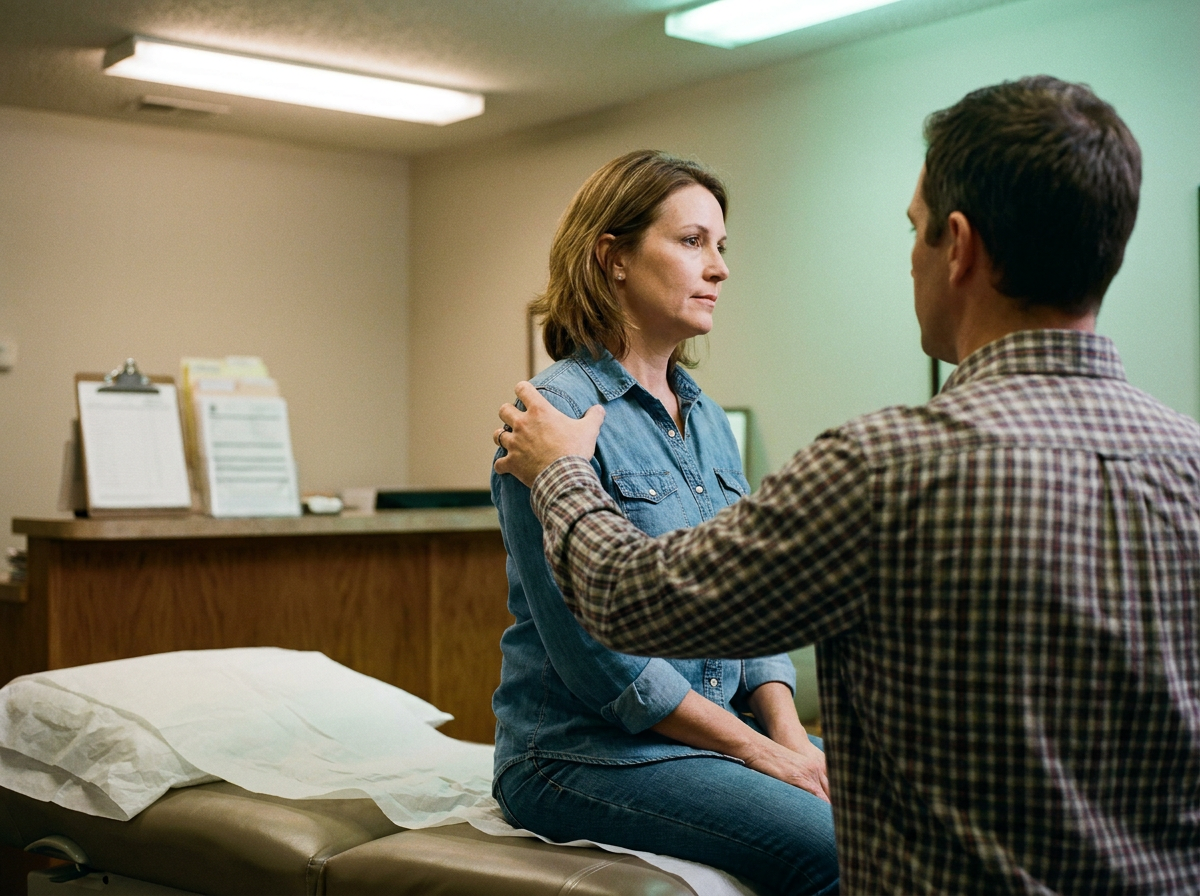
Who pays for care — and what you need to know about Florida PIP
In Florida, Personal Injury Protection covers your medical care after an auto accident regardless of who caused it. Under current law, you generally must be evaluated within 14 days of the crash to keep that coverage. According to the Florida Department of Highway Safety and Motor Vehicles, the state’s no-fault system requires drivers to carry PIP, which pays up to $10,000 in benefits.
Regulatory note: Florida’s no-fault rules have been debated in recent legislative sessions. Confirm the current 14-day rule and PIP status with your carrier or attorney, since the law may change.
That 14-day window matters clinically too, not just legally. Getting evaluated early means we catch things while they are easier to address.
We handle the billing and coordinate directly with your insurance carrier. You do not sort this out alone.
Will you get a bill? PIP pays first, up to its limit. If your care runs past that limit, options like a letter of protection or an attorney lien arrangement can cover continued treatment, and we explain those in plain words when they come up. None of that is about a payout. We bill your PIP insurance directly, and we’ll explain any balance before your care starts.
If the no-fault law changes, the message shifts slightly. Documenting your injury still protects you, so you have a clear record against the at-fault driver.
We see patients in English and Spanish — and that matters more than it might sound
About half the patients we see are Spanish-speaking, and their care happens in Spanish. Not through a translator. Not through a form someone ran through software.
What that means day to day: the intake conversation, the exam, the explanation of what we found, and the follow-up messages all happen in your first language. When someone explains a neck injury to you, you should not have to translate it in your head while you are already stressed.
For Spanish-first patients, WhatsApp is the easiest way to reach us. You message, a real person answers.
We do not treat this as a marketing line, because it is not one. It is just how the practice runs.
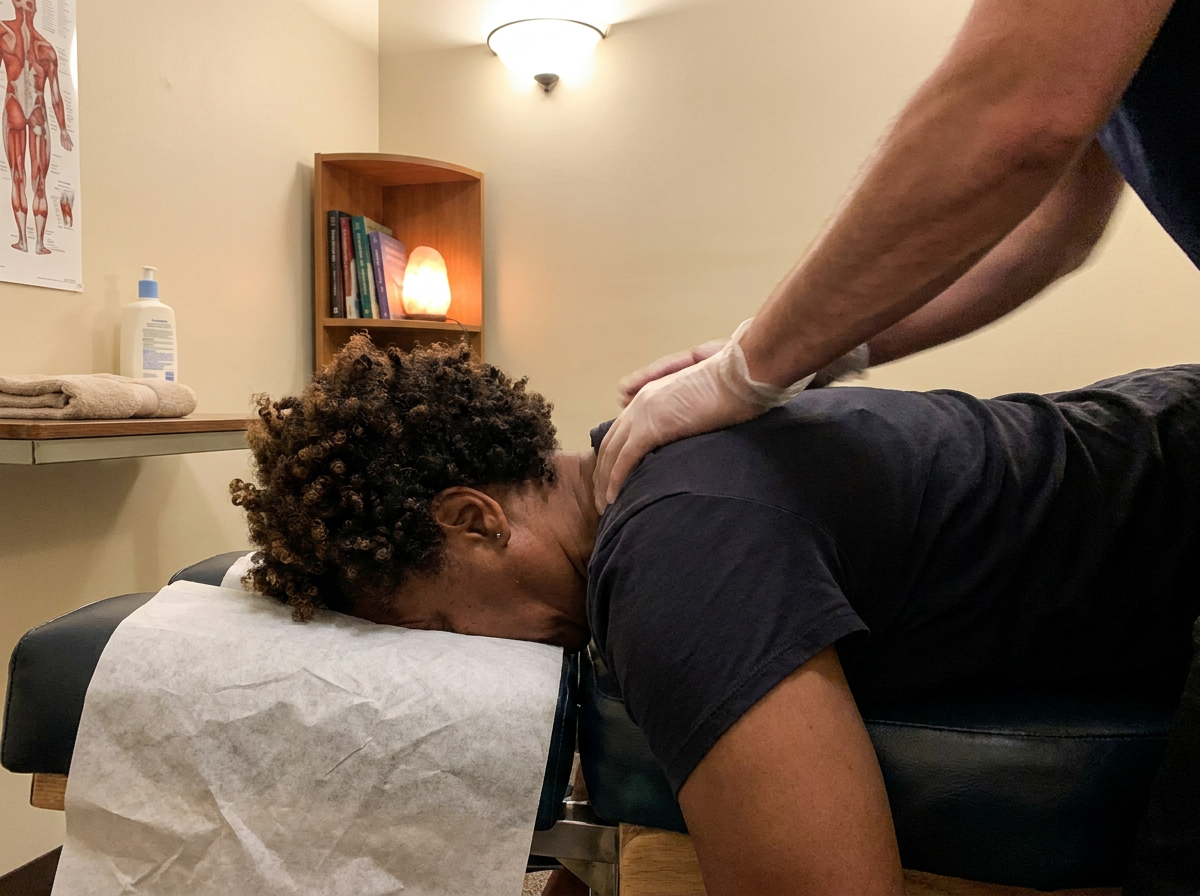
What chiropractic care can help with after an accident — and what it cannot
Chiropractic care is well-suited to several common auto-injury problems: whiplash, neck and back soft-tissue strains, headaches with a musculoskeletal origin, joint stiffness, and the referred pain that travels from those areas.
It is not the answer to everything, and pretending otherwise would be dishonest. Fractures, internal injuries, and neurological emergencies are outside our scope. So is anything that needs imaging we do not do or a specialist we are not. If we spot one of those during your exam, we say so and help you get to the right provider.
Concussion and mild traumatic brain injury deserve a straight answer. These can follow a car accident, and warning signs include headaches, dizziness, trouble concentrating, sensitivity to light, and sleep changes. The CDC lists these among common concussion symptoms. Managing a concussion means coordinating with other providers. We do not overstate what chiropractic does here.
This is the section that tells you the most about us. Being honest about our limits is the clearest sign that everything else on this page is honest too.
Key takeaways
- Feeling fine after a crash is common. Whiplash symptoms often appear 24 to 72 hours later because adrenaline masks pain and inflammation builds slowly.
- A first visit is an evaluation, not a preset treatment plan. It takes about 30 to 45 minutes and ends with honest findings.
- Florida PIP generally covers care if you are evaluated within 14 days. We handle the billing and coordination.
- Recovery timelines vary by injury severity, how early care started, and your health history. We will not hand you a visit count on day one.
- Care happens natively in English and Spanish, with WhatsApp available for Spanish-first patients.
- We treat soft-tissue and joint injuries and refer out fractures, internal injuries, and concussion management that needs other providers.
Frequently asked questions
How long does whiplash take to show up after a car accident?
Whiplash symptoms often appear 24 to 72 hours after a crash. Adrenaline masks pain immediately after the accident, and inflammation from strained muscles and ligaments builds over the following days. That is why you can feel fine at the scene and stiff two mornings later. Getting evaluated early helps catch it.
Do I need chiropractic care if I feel okay after a minor accident?
Feeling okay does not mean you have been cleared. Soft-tissue injuries frequently show no symptoms in the first few days. An evaluation tells you where you actually stand, which is different from guessing. A brief visit is worth it just to know, especially since delayed pain is well-documented.
Will I get a bill for chiropractic care after my accident?
We bill your PIP insurance directly, and we’ll explain any balance before your care starts. If treatment extends past PIP limits, options like a letter of protection can help. We handle billing and insurance coordination and explain any costs plainly before they come up.
How many visits will I need after a car accident?
No honest clinic can tell you on day one. The number depends on injury severity, how early care started, and your health history. We reassess as you heal and adjust the plan based on clinical findings, not on a fixed schedule or when coverage ends.
Can I walk in for chiropractic care the same day as my accident?
Often, yes. We offer same-day and walk-in visits when our schedule allows. Getting checked early matters both clinically, so we catch injuries while they are easier to address, and for Florida’s 14-day PIP reporting window. Call or message ahead if you can, but come in either way.
If you are hurting or just unsure, here is the next step
You do not have to have it all figured out before you reach out. Come in, tell us what is going on, and we will walk you through it one step at a time. In English or Spanish, whichever is easier for you. We handle the insurance paperwork so you can focus on healing.
Spanish-first? Message us on WhatsApp and a real person will answer. Estamos aquí para ayudarle.
No rush, and no pressure. We are here if you need us.